
01 – Components
Hermetic Packaging for the Next Generation of Active Implantable Medical Devices
As implantable technologies continue to evolve, packaging solutions must provide long-term hermeticity while enabling wireless communication, inductive power transfer, miniaturization, and increasingly complex electronic integration.
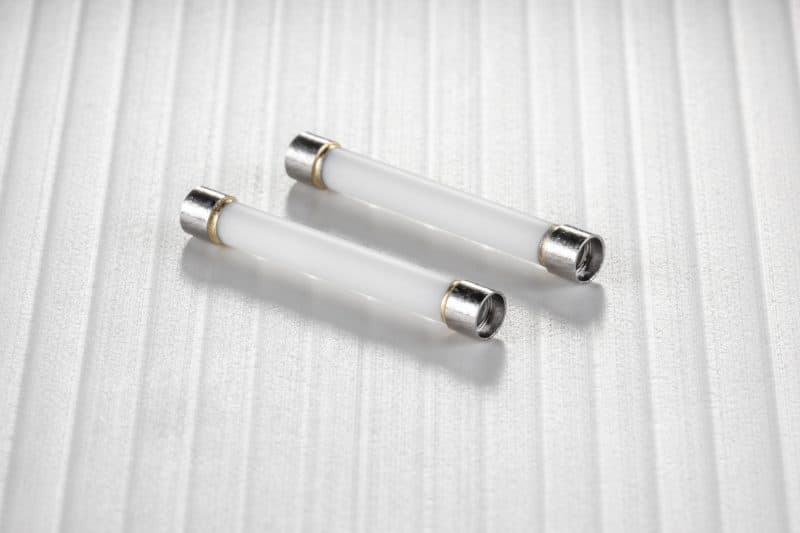
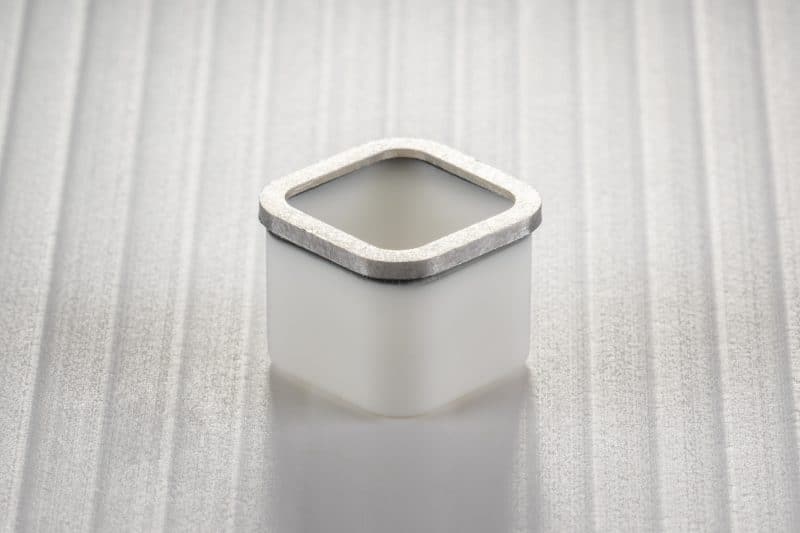
SCT develops custom ceramic housings, ceramic packaging solutions, and ceramic-to-metal assemblies for applications where long-term reliability, biocompatibility, hermetic sealing, and wireless functionality are essential.
Our solutions support the development of next-generation cardiac rhythm management devices, cochlear implants, neurostimulation systems, brain-computer interfaces (BCIs), and other active implantable medical devices.

02 – Applications
Applications
Ceramic packaging solutions are increasingly used wherever implantable devices require long-term reliability together with advanced wireless functionality and miniaturization.
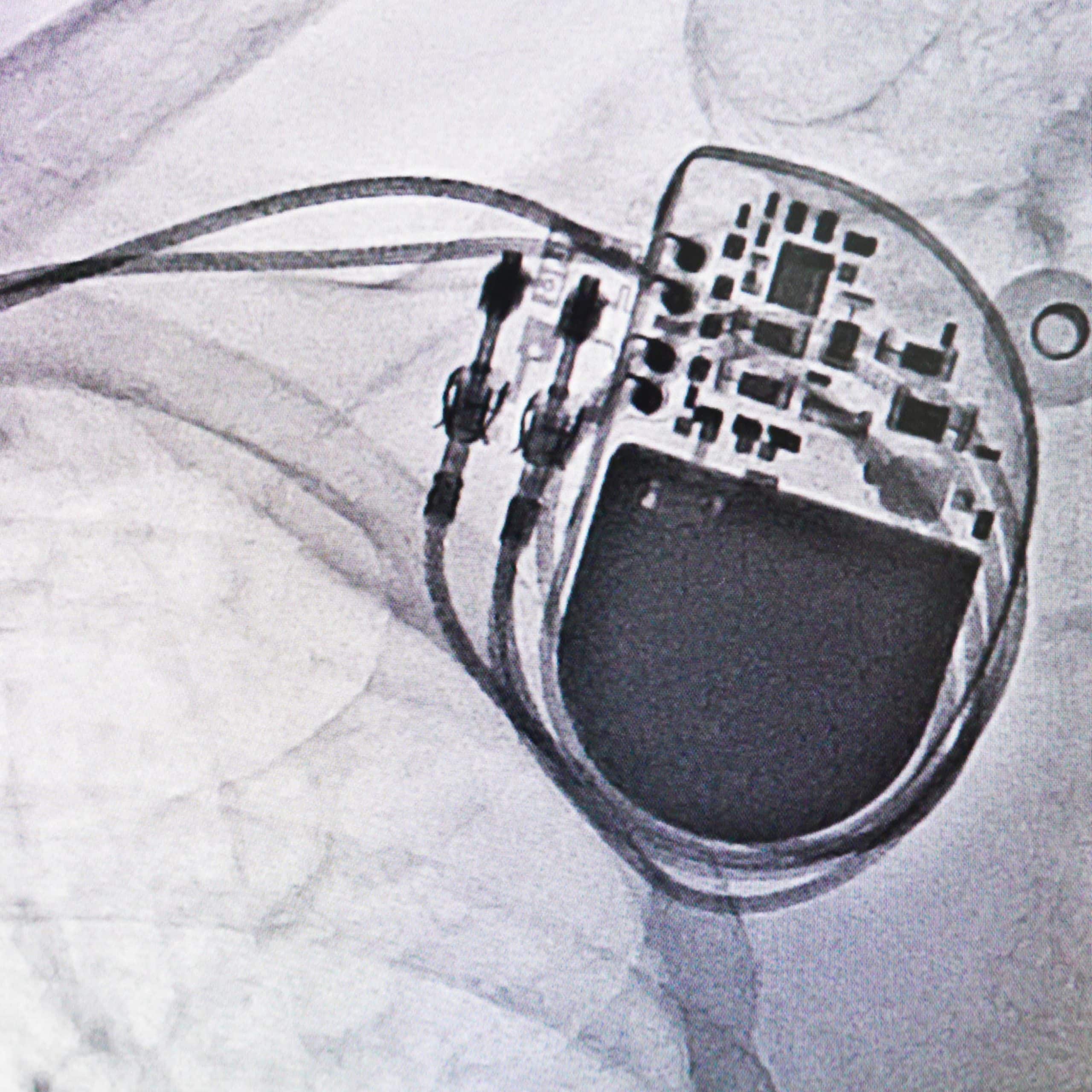
Cardiac Rhythm Management
Hermetic housings for pacemakers, implantable cardioverter-defibrillators (ICDs), and cardiac monitoring devices.

Cochlear Implants
Miniaturized ceramic packaging supporting reliable long-term hermeticity and RF communication.

Neurostimulation
Packaging solutions for spinal cord stimulation, vagus nerve stimulation, peripheral nerve stimulation, deep brain stimulation, and other neuromodulation technologies.

Brain-Computer Interfaces (BCIs)
Advanced ceramic packaging for next-generation neural interfaces requiring high-density interconnections and wireless communication.
03 – Materials
Why Choose Ceramic Packaging?
For decades, titanium has been the reference material for implantable device enclosures.
Today, ceramic packaging is opening new possibilities for implantable technologies requiring greater miniaturization, wireless communication, and advanced system integration.
Hermetic Protection
Protects sensitive electronics from body fluids and moisture while preventing internal materials from interacting with surrounding tissue.
Biocompatibility
High-purity technical ceramics have been successfully used in implantable medical devices for decades thanks to their excellent biocompatibility.
RF Transparency
Unlike metallic housings, ceramics are transparent to radio-frequency signals, enabling reliable wireless communication with implanted devices.
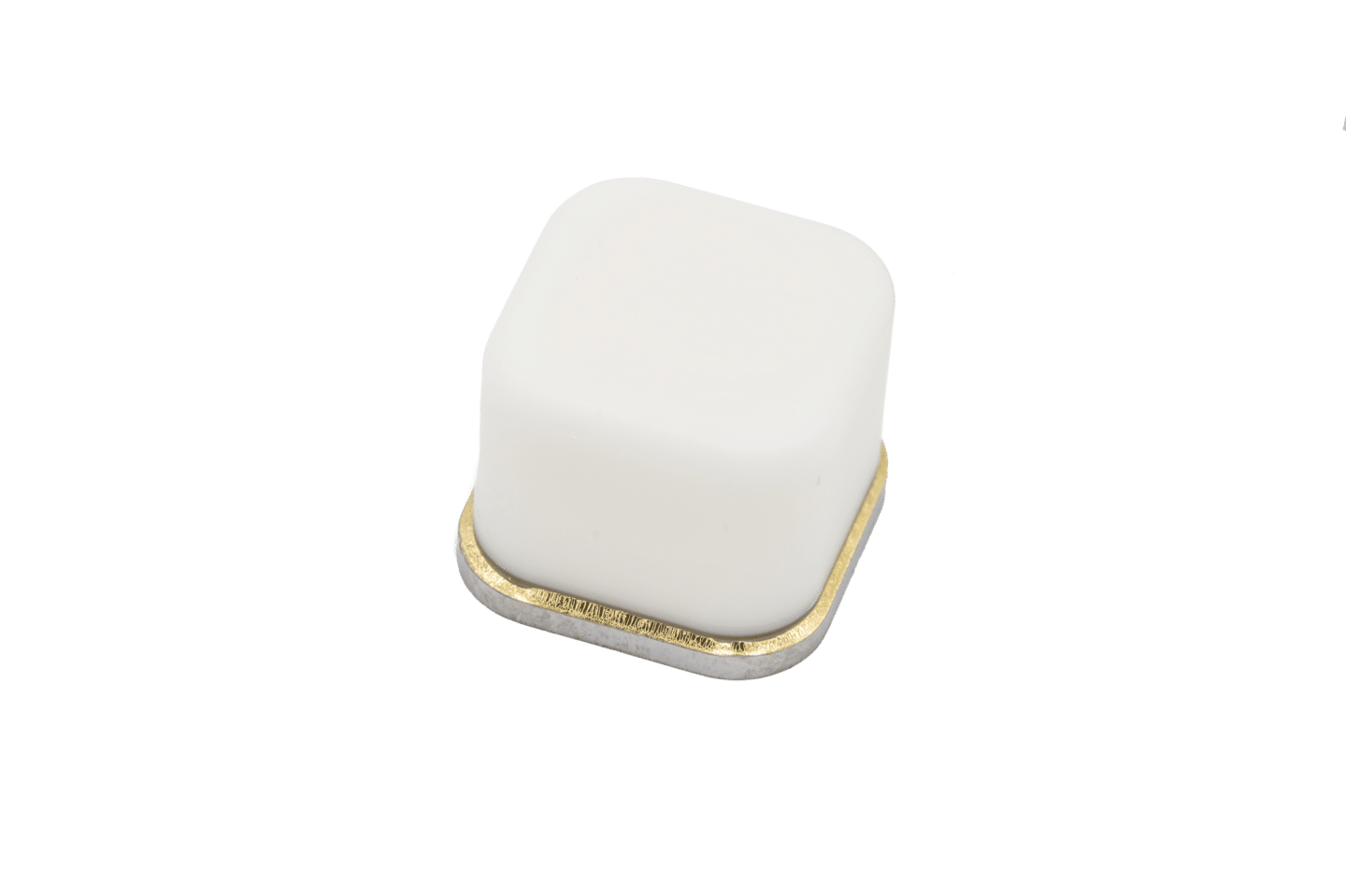
Inductive Power Transfer
Ceramic housings support inductive charging technologies used in rechargeable and battery-free implantable devices.
Miniaturization
Advanced ceramic manufacturing technologies enable compact packaging solutions without compromising reliability.
Design Freedom
Ceramic manufacturing allows packaging solutions to be developed around the functional requirements of each implant rather than the limitations of conventional metallic housings.
Discover how our proprietary alumina contributes to the exceptional performance of our casings.
02 – solutions
Hermetic Packaging Solutions
Every implant presents unique packaging requirements.
SCT develops customized ceramic packaging solutions according to the technical, functional, and manufacturing requirements of each application.
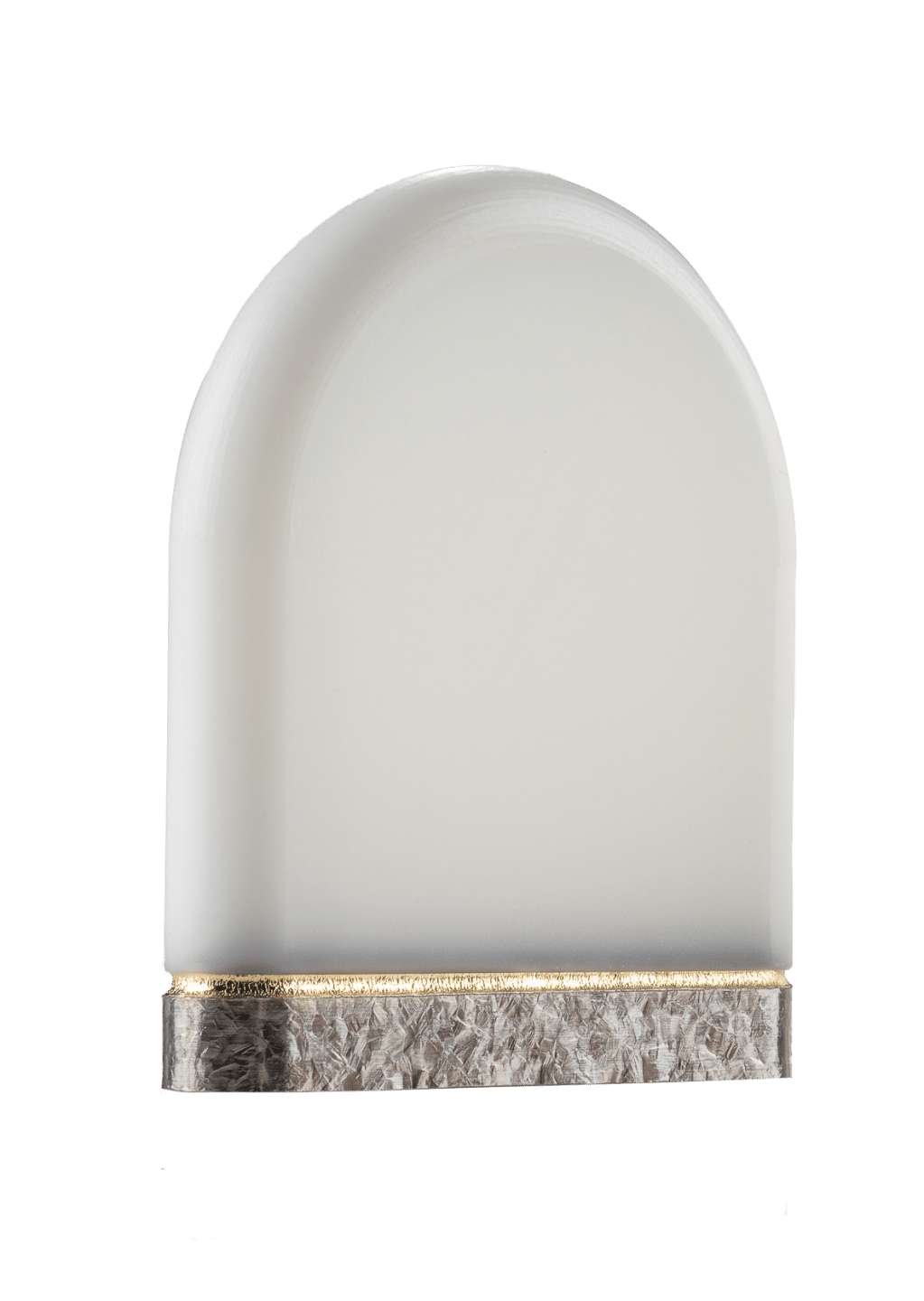
Ceramic Housings
Hermetic ceramic enclosures providing long-term protection for implantable electronic systems.
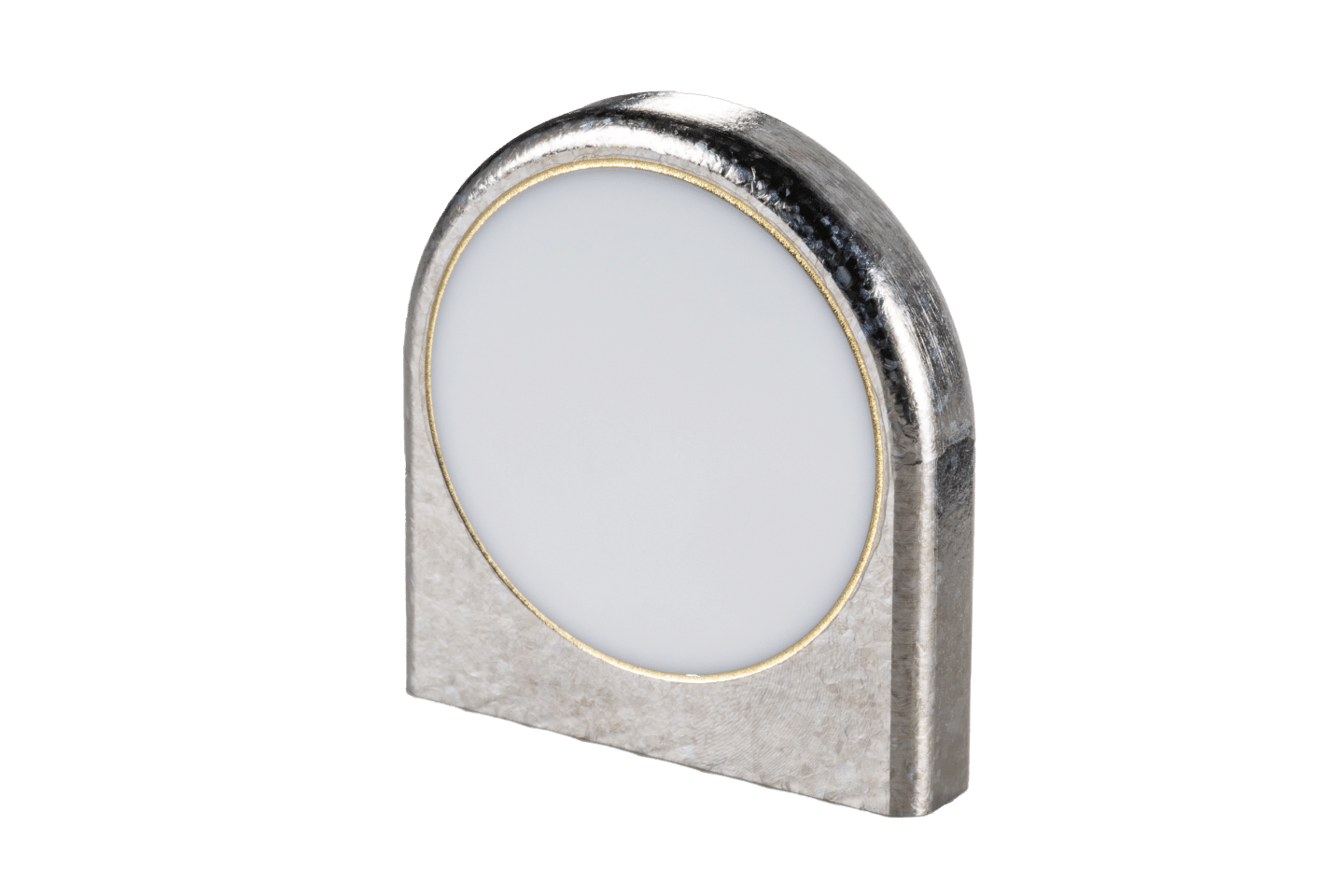
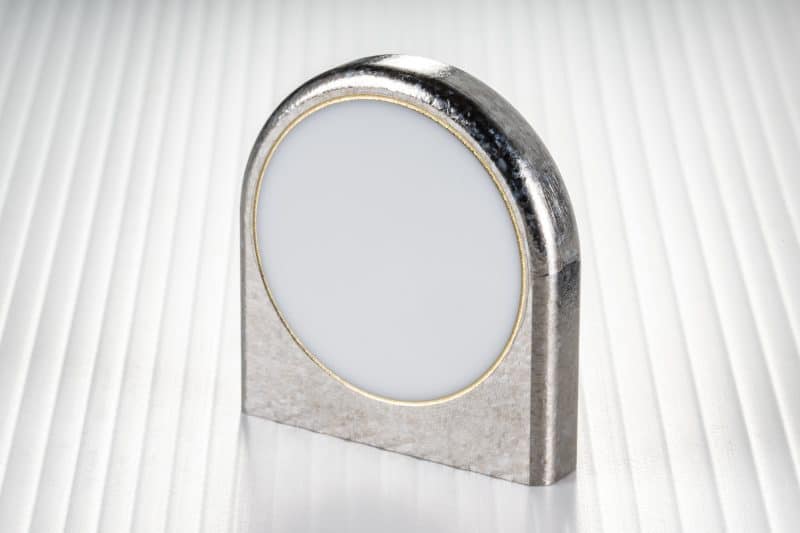
Ceramic Windows
Ceramic inserts integrated into metallic housings to enable RF communication while maintaining hermeticity.
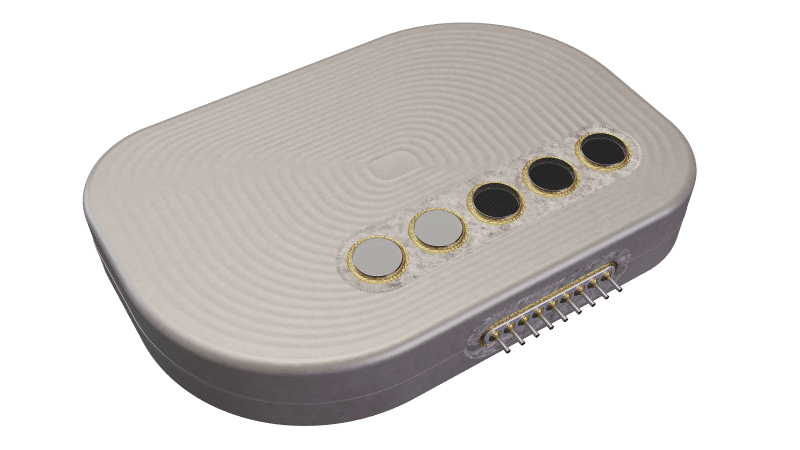
Sapphire Windows
Optical windows combining excellent transparency, exceptional mechanical strength, and long-term hermetic sealing.
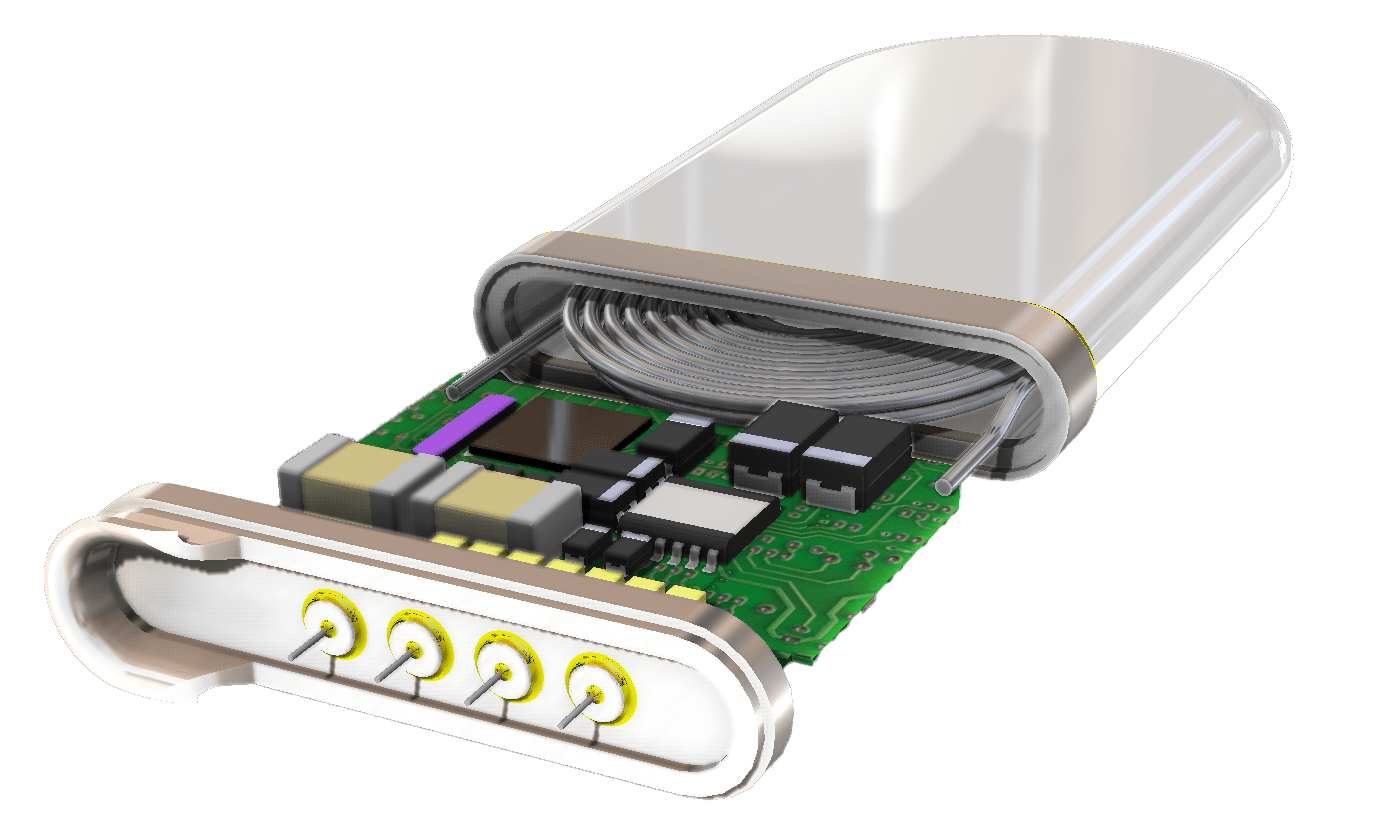
Integrated Housing + Feedthrough Solutions
Co-developed packaging solutions combining ceramic housings and hermetic feedthroughs to optimize alignment, sealing, assembly, and long-term reliability.
04 – Co-development
Designed Around Your Device
The performance of an implantable package depends on much more than the housing itself.
Mechanical constraints, wireless communication, feedthrough integration, miniaturization, manufacturing processes, and material selection all influence the final design.
Leveraging its expertise in advanced ceramics, metallurgy, and ceramic-to-metal brazing, SCT works closely with customers to develop packaging solutions that combine technical performance, manufacturability, and long-term reliability.
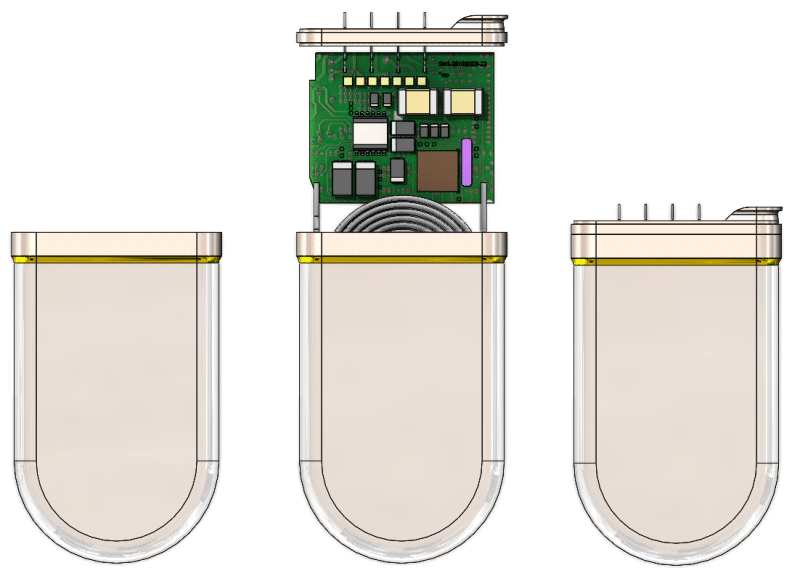
An Integrated Approach to Hermetic Packaging
The performance of an implantable medical device depends on the interaction between every component of the package.
Housing, hermetic feedthrough, materials, brazing technologies, and manufacturing processes must work together to ensure reliable sealing, precise alignment, and long-term performance.
By developing these technologies within the same manufacturing environment, SCT helps customers reduce integration risks while simplifying product development and industrialization.
05 – Qualification
Qualification Based on Your Requirements
Every implantable medical device has unique performance objectives and qualification requirements.
Inspection, testing, validation, documentation, and traceability activities are established according to customer specifications and the intended application, ensuring every packaging solution meets the required levels of hermeticity, reliability, and performance.
06 – FAQ
Frequently Asked Questions
Why choose ceramic instead of titanium for an implantable housing?
Titanium has long been the reference material for implantable housings. Ceramic packaging introduces new possibilities by enabling RF transparency, inductive charging, advanced miniaturization, and greater design flexibility while maintaining excellent biocompatibility and hermeticity.
SCT develops custom ceramic packaging solutions that help manufacturers take advantage of these next-generation implant technologies.
What is hermetic packaging?
Hermetic packaging protects sensitive electronics from moisture and contaminants while preventing internal materials from interacting with the surrounding biological environment.
SCT develops ceramic packaging solutions designed to maintain long-term hermeticity throughout the lifetime of implantable medical devices.
Why is RF transparency important?
Modern implantable devices increasingly rely on wireless communication for programming, monitoring, data transmission, and inductive charging.
Unlike metallic housings, ceramic materials allow radio-frequency signals to pass through the package, making these functions possible.
SCT develops ceramic housings and ceramic windows that support advanced wireless implant technologies.
What materials are used for ceramic packaging?
Material selection depends on the application’s electrical, mechanical, biological, and wireless communication requirements.
Depending on the project, packaging solutions may combine alumina, zirconia, sapphire, titanium, and other materials.
SCT works closely with customers to identify the most appropriate materials and manufacturing technologies for each application.
Can ceramic housings be integrated with hermetic feedthroughs?
Yes.
Most implantable medical devices require both a hermetic housing and a hermetic electrical interface.
SCT co-develops integrated ceramic housing and feedthrough solutions to optimize alignment, sealing, manufacturability, and long-term reliability.
07 – contact
Looking for a Custom Hermetic Packaging Solution?
Whether you’re developing a cardiac device, cochlear implant, neurostimulation system, brain-computer interface, or another active implantable medical device, SCT develops custom ceramic packaging solutions designed around your technical requirements—from concept through industrial production.