
01 – Components
Electrical Insulation for Demanding High-Voltage Applications
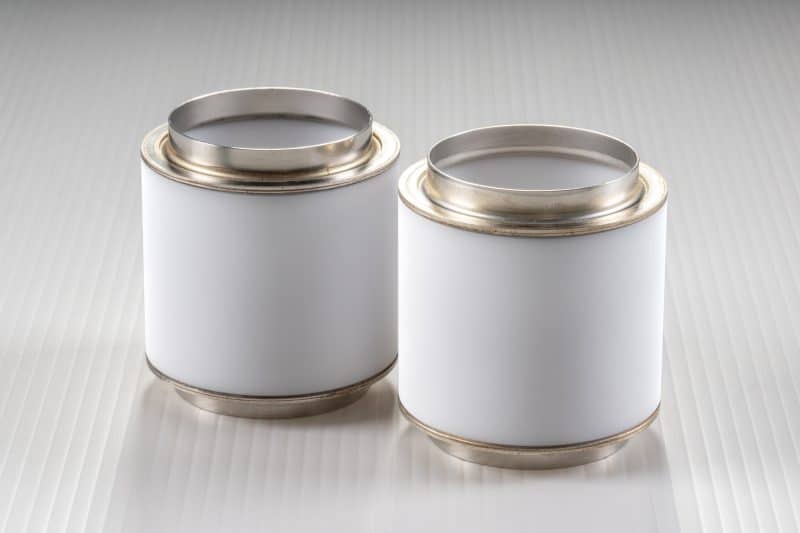
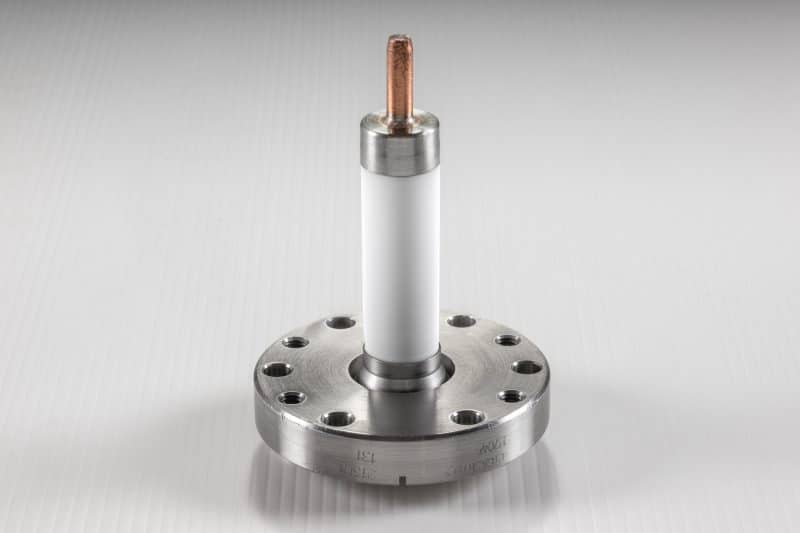
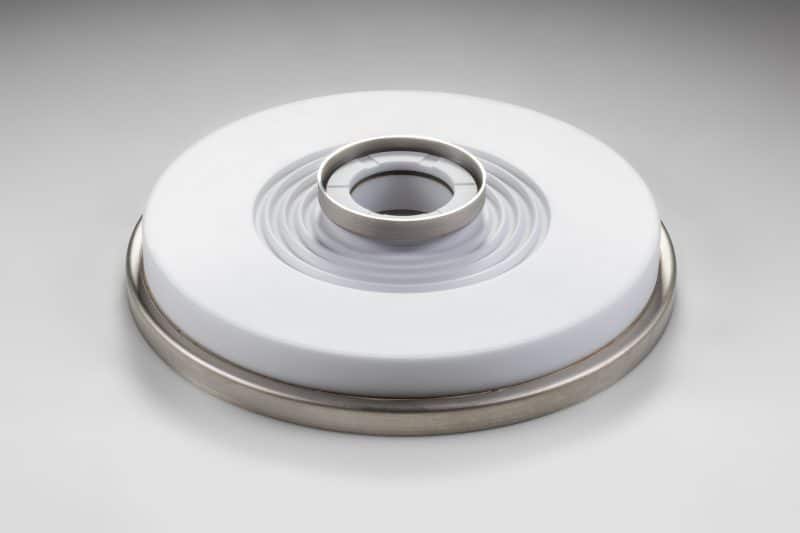
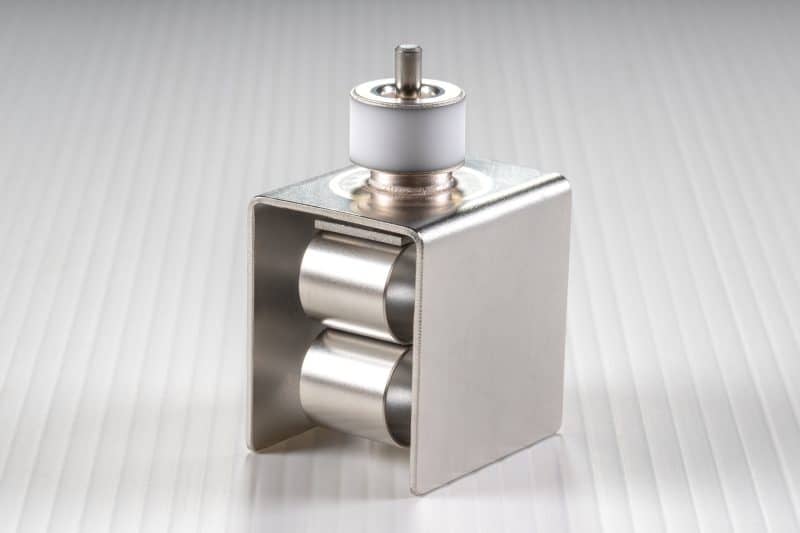
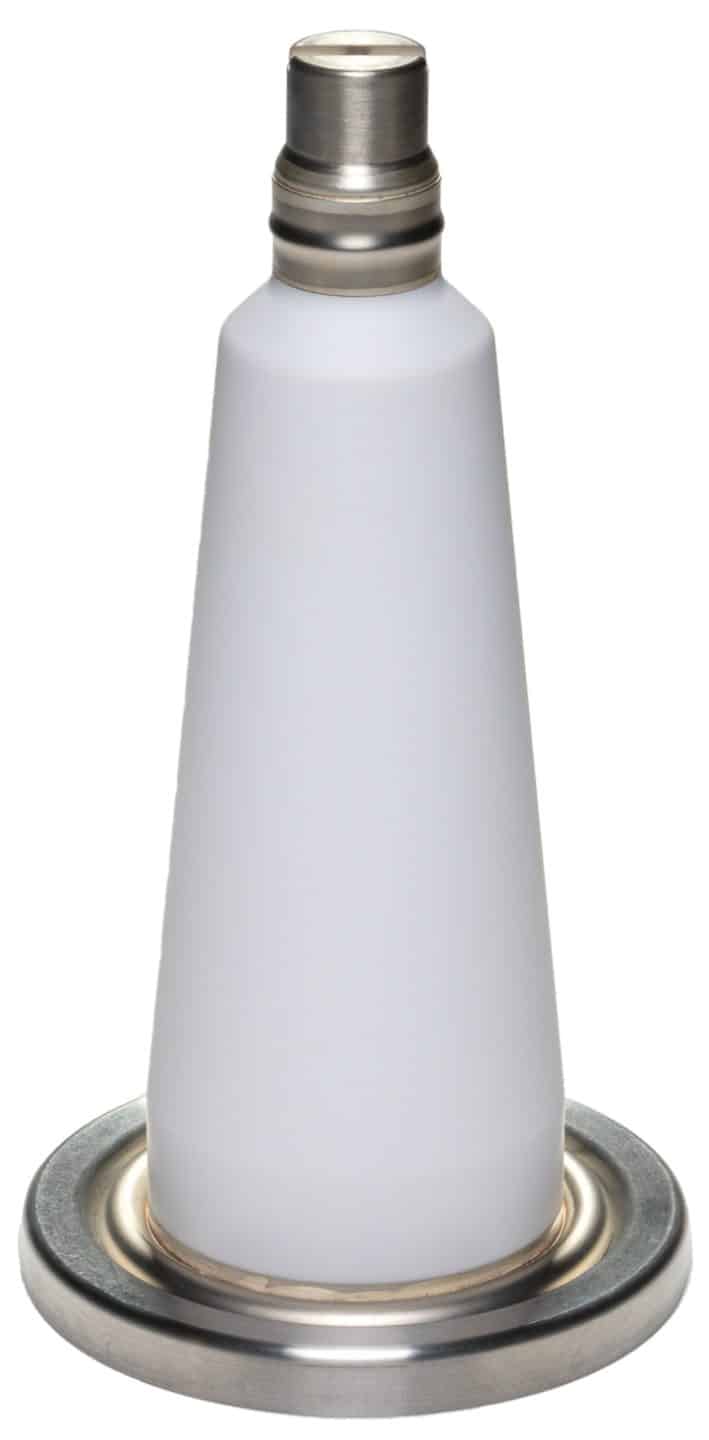
High-voltage applications require much more than an insulating material. They demand components capable of providing reliable electrical insulation while maintaining hermeticity, cleanliness, and compatibility with ultra-high vacuum environments.
By combining dense alumina ceramics with its expertise in ceramic-to-metal brazing, SCT develops custom high-voltage insulators for applications where electrical performance, vacuum compatibility, and long-term reliability are critical.
02 – Applications
Applications
High-voltage ceramic insulators are used wherever reliable electrical insulation is essential.
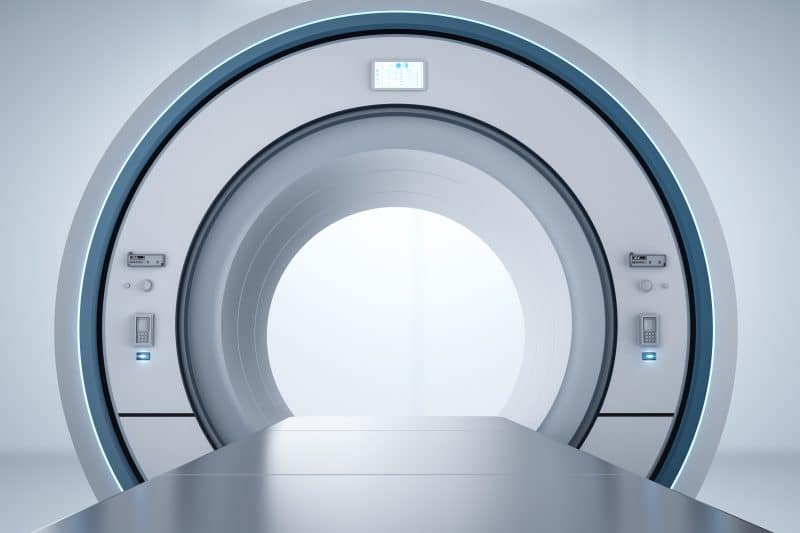
Medical & Industrial Imaging
Ceramic insulators integrated into X-ray tubes, CT scanners, industrial inspection equipment, and electron beam systems.
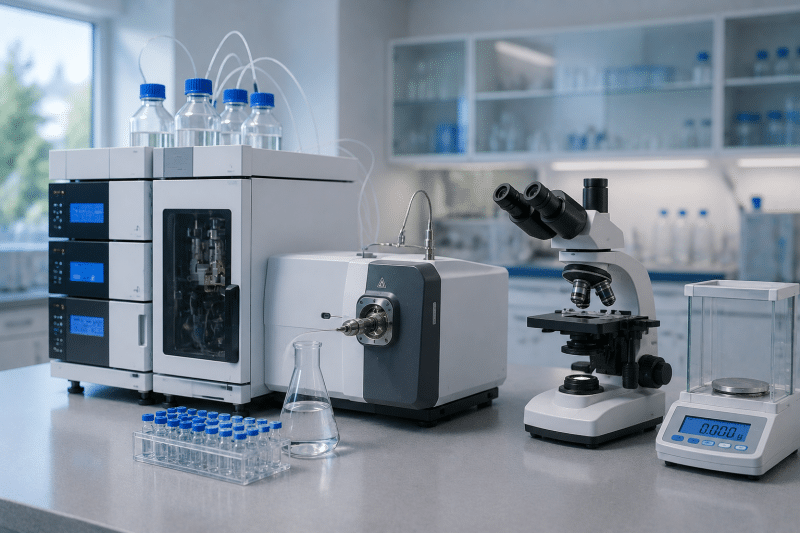
Analytical & Scientific Instrumentation
Components supporting electron microscopes, analytical instruments, scientific vacuum equipment, and other precision laboratory systems.

Energy
Electrical insulation for demanding power generation, nuclear, and other industrial energy applications.
03 – Materials
Why Choose Ceramic-to-Metal Insulators?
The performance of a high-voltage system depends not only on the ceramic itself, but also on the quality of the ceramic-to-metal assembly.
Through the combination of dense alumina, controlled ceramic-to-metal brazing processes, and manufacturing practices designed for ultra-high vacuum applications, SCT develops insulators capable of delivering reliable electrical performance in the world’s most demanding environments.
High Dielectric Strength
Excellent electrical insulation for demanding high-voltage applications.
Ultra-High Vacuum Compatibility
The extremely low open porosity of dense alumina, combined with hermetic ceramic-to-metal assemblies and clean manufacturing processes, helps minimize outgassing and contamination in ultra-high vacuum environments.
Arc Resistance
Materials and component designs developed to withstand high electrical fields and help reduce the risk of electrical discharge.
Thermal Stability
Reliable performance under demanding operating temperatures and repeated thermal cycling.
Mechanical Strength
Excellent dimensional stability and resistance to demanding mechanical environments.
Long-Term Reliability
Consistent electrical performance throughout the lifetime of critical equipment.
Discovery how our proprietary alumina contributes to the exceptional performance of our insulators.
04 – Co-development
Designed Around Your Application
The performance of a high-voltage ceramic insulator depends on many factors, including voltage level, geometry, vacuum environment, mechanical loads, thermal conditions, and material selection.
Leveraging its expertise in advanced ceramics, metallurgy, and ceramic-to-metal brazing, SCT works closely with customers to identify the materials and manufacturing processes best suited to each application.
Our engineering teams collaborate with customers to develop solutions optimized not only for electrical performance, but also for manufacturability and long-term reliability.
05 – Qualification
Qualification Based on Your Requirements
Every high-voltage application presents unique performance requirements.
Inspection, testing, and qualification activities are established according to customer specifications and the intended operating environment, ensuring every component is delivered to the agreed technical requirements.
06 – FAQ
Frequently Asked Questions
What is a ceramic insulator?
A ceramic insulator electrically isolates conductive components while providing the mechanical stability required for demanding high-voltage applications.
SCT develops custom ceramic-to-metal insulators designed around the electrical, mechanical, and environmental requirements of each application.
Why are ceramics used for high-voltage applications?
Technical ceramics provide high dielectric strength, excellent thermal stability, and outstanding mechanical performance. When combined with hermetic ceramic-to-metal assemblies, they enable the electrical performance required in high-voltage and ultra-high vacuum systems.
Leveraging its expertise in advanced ceramics and ceramic-to-metal brazing, SCT develops solutions capable of meeting the demands of the world’s most challenging high-voltage applications.
Why is ultra-high vacuum compatibility important?
In ultra-high vacuum systems, materials must exhibit extremely low porosity and minimal outgassing in order to preserve vacuum quality and maintain stable electrical performance.
SCT combines dense alumina with carefully controlled manufacturing and ceramic-to-metal brazing processes to develop components suitable for the most demanding ultra-high vacuum environments.
Which industries use ceramic insulators?
Ceramic insulators are widely used in medical and industrial imaging, scientific vacuum equipment, electron beam technologies, energy systems, and many other demanding high-voltage applications.
SCT develops custom insulators for environments where electrical reliability, vacuum compatibility, and long-term performance are essential.
07 – contact
Looking for a Custom High-Voltage Insulator?
Whether you’re developing an X-ray tube, scientific instrument, electron beam system, or another demanding high-voltage application, SCT develops custom ceramic-to-metal insulators designed around your technical requirements.