
Quality Throughout the Product Lifecycle
At SCT, quality is integrated into every stage of the product lifecycle—from raw material selection and incoming inspection to manufacturing, testing, qualification, and final delivery.
Many of our customers operate in highly regulated industries, including medical devices, aerospace & defense, energy, and scientific instrumentation. Our quality teams work closely with engineering and production to help ensure that every component meets the technical, regulatory, and documentation requirements of its application.
Rather than applying a one-size-fits-all approach, SCT tailors inspection, testing, documentation, and traceability according to the needs of each project.
Inspection, Testing & Qualification
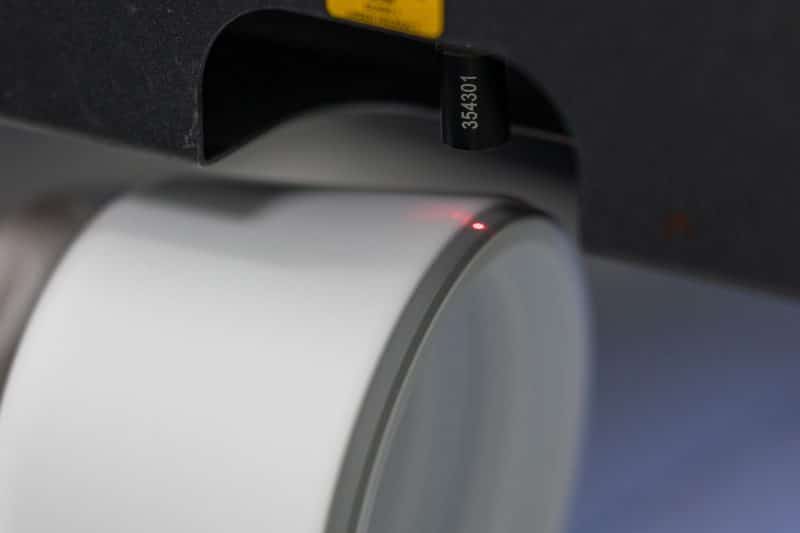
Every ceramic-to-metal assembly undergoes inspection and verification throughout the manufacturing process. The scope of qualification and acceptance testing is then adapted according to the application’s technical requirements, applicable standards, and customer specifications.
Whether supporting prototype development, qualification builds, or series production, SCT applies quality controls appropriate to each stage of manufacturing.
Typical Inspection & Testing Capabilities
- Hermeticity testing (< 1 × 10⁻⁹ atm·cm³/s)
- Thermal shock testing (-65°C / +200°C)
- Electrical testing up to 5000V
- Dimensional inspection
- Dye penetrant inspection
- First Article Inspection (FAI)
- Customer-specific qualification testing
- Pressure testing up to 3,100 bar
- Thermal cycling under a controlled atmosphere
Traceability
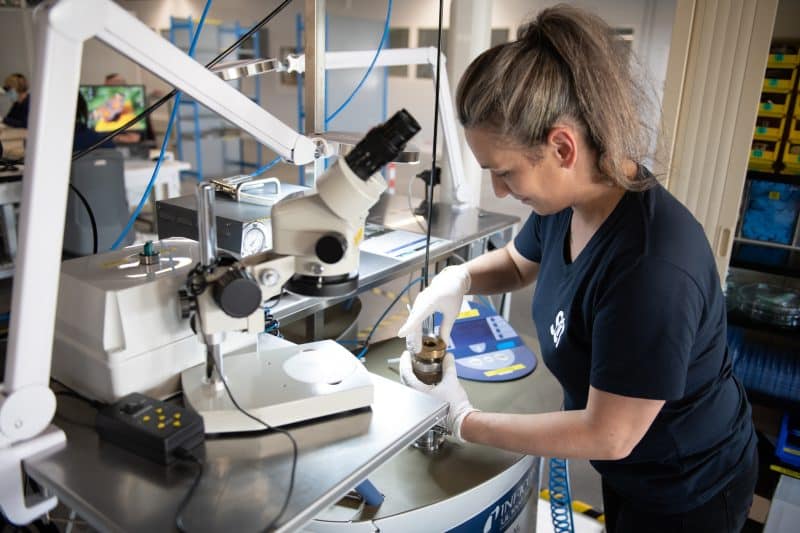
Traceability enables each product to be tracked throughout the entire manufacturing process, from incoming raw materials and components through inspection and test results to the final delivered product.
For critical applications, traceability is essential to process control, regulatory compliance and the investigation of potential non-conformities.
At SCT, traceability is integrated throughout our manufacturing operations to meet customer requirements and the expectations of regulated industries.
Digital Manufacturing & Smart Factory
Digital tools play an essential role in process control and quality management.
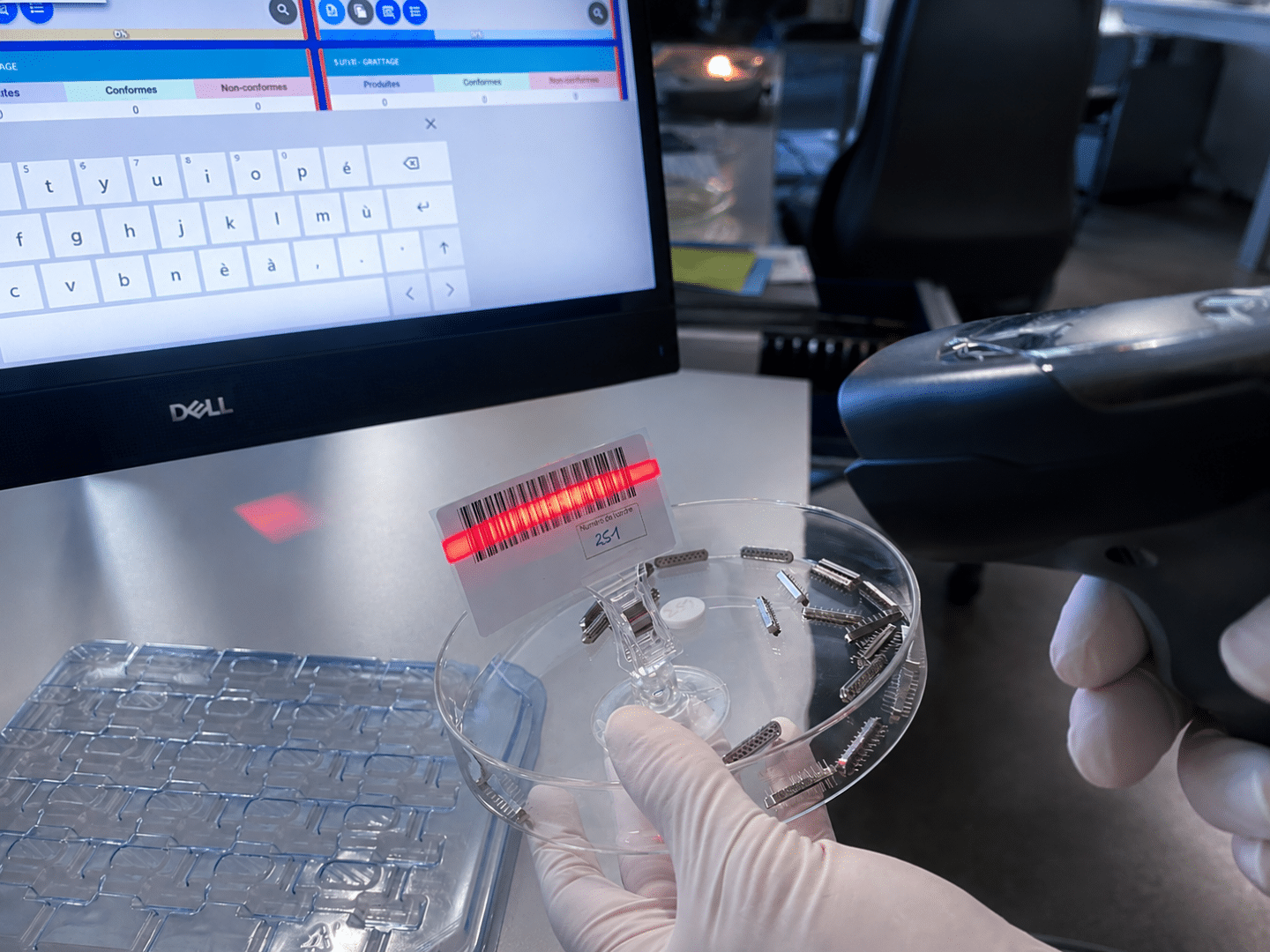
Our SmartFactory Manufacturing Execution System (MES) was developed specifically for the requirements of ceramic manufacturing and ceramic-to-metal brazing. It provides real-time monitoring of production data and quality results.
This digital infrastructure helps us to:
- ensure full traceability;
- strengthen process control;
- improve visibility into manufacturing data;
- increase team responsiveness;
- support continuous improvement initiatives.
For series production, Statistical Process Control (SPC) tools can also be implemented to monitor process stability.
Supplier Quality Management
Quality begins long before production starts.
SCT works closely with qualified suppliers to ensure that incoming materials and purchased components meet defined technical and quality requirements.
Supplier qualification, incoming inspection, and documented controls all contribute to the overall reliability of the finished product. When required, supplier performance and material conformity are monitored as part of the overall quality management process.
Continuous Improvement
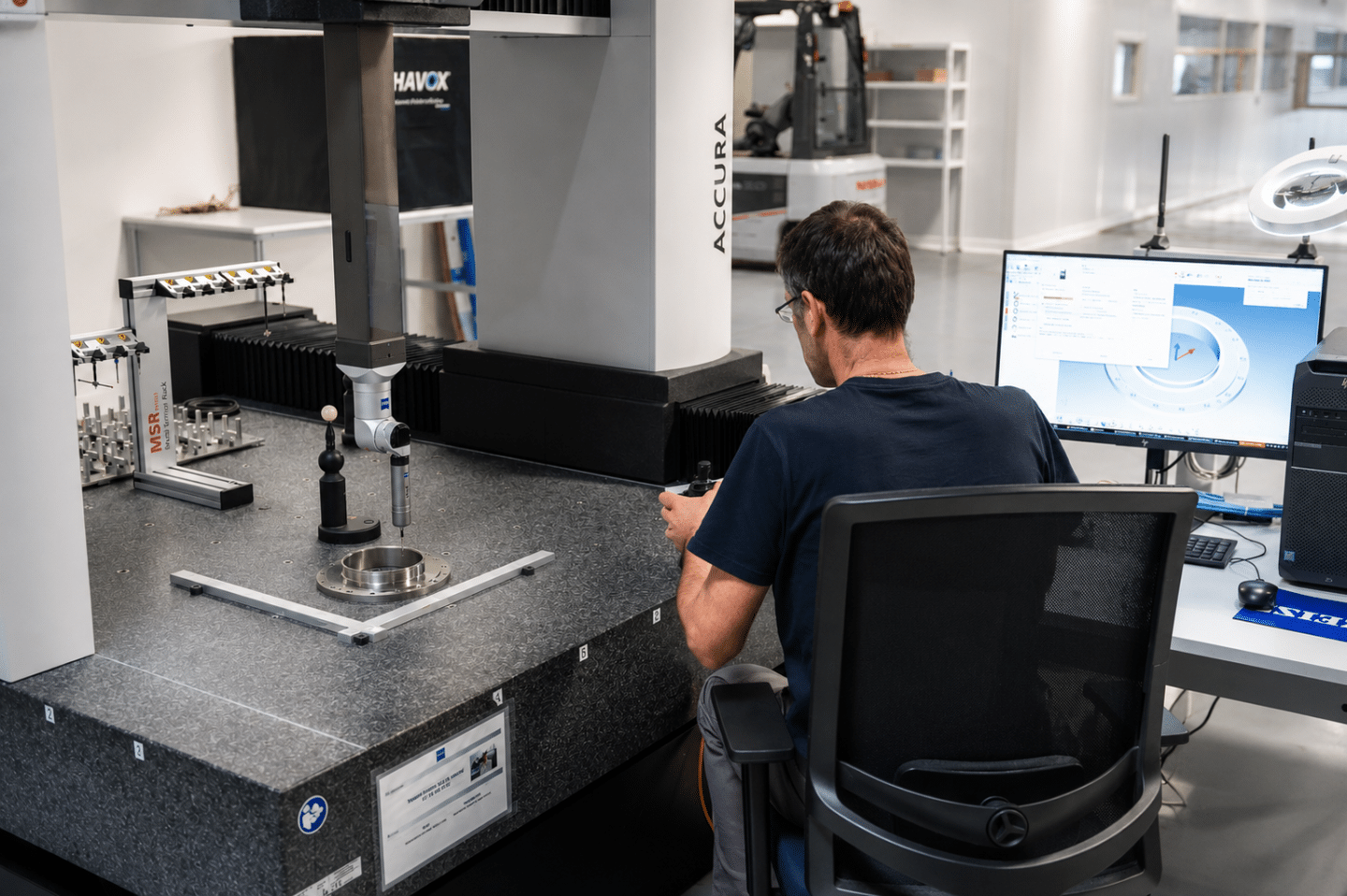
Continuous improvement is a fundamental part of SCT’s Quality Management System.
Performance is monitored using key indicators such as OQD (On Quality Delivery), which combines quality and on-time delivery performance.
In the event of a non-conformity, our teams conduct root cause analyses and implement CAPA (Corrective and Preventive Action) processes to establish effective, sustainable corrective and preventive actions.
This approach extends across the entire organization—from manufacturing and engineering to supplier quality and customer feedback—with the goal of continuously improving our products, processes and customer satisfaction.
Certifications & Compliance
Customers operating in regulated industries require manufacturing partners capable of demonstrating robust quality management systems, documented processes, and full traceability.
SCT maintains internationally recognized certifications supporting medical, industrial, and aerospace applications while continuing to invest in future qualifications for the energy sector.

Environmental Responsibility
Responsible manufacturing is part of SCT’s long-term commitment to customers, employees, and the communities in which we operate.
We continuously improve our manufacturing processes to reduce waste, optimize resources, and support increasingly sustainable production practices while meeting the demanding quality expectations of regulated industries.
Frequently Asked Questions
What is hermeticity testing?
Hermeticity testing verifies that a ceramic-to-metal assembly forms a leak-tight seal capable of protecting sensitive electronics or vacuum systems from the surrounding environment.
SCT performs helium leak testing using qualified methods to verify hermetic performance according to the requirements of each application and customer specification.
What is First Article Inspection (FAI)?
First Article Inspection (FAI) verifies that a newly manufactured component conforms to engineering drawings and technical specifications before full production begins.
When required, SCT performs First Article Inspection as part of the qualification process, helping customers validate new products and manufacturing processes before series production.
Why are quality certifications important?
International certifications demonstrate that a manufacturer operates according to documented quality management systems and recognized industry standards.
SCT maintains certifications including ISO 13485, EN 9100, and ISO 9001, supporting customers across medical, aerospace, industrial, and other highly regulated markets.
Can SCT adapt inspection and testing to our project?
Yes. Every application presents unique technical, regulatory, and qualification requirements.
SCT works closely with customers to define inspection, testing, documentation, and traceability activities appropriate for each stage of development, qualification, and production, ensuring the quality approach reflects the specific needs of each project.
Looking for a Manufacturing Partner You Can Trust?
Quality is more than inspection—it’s the foundation of every ceramic-to-metal solution we develop.
From early product development through industrial production, SCT combines engineering expertise, robust manufacturing processes, and application-specific quality assurance to help customers develop reliable, high-performance ceramic components.
Why is traceability important?
Traceability makes it possible to follow every component throughout its manufacturing journey, from incoming materials to finished product. It supports regulatory compliance, quality management, and efficient root-cause analysis when required.
SCT’s SmartFactory MES provides digital traceability throughout production, helping customers meet the documentation and quality expectations of highly regulated industries.