01 – Components
Ceramic-to-Metal Solutions for Critical Energy Applications
In the energy sector, performance and safety go hand in hand.
For more than 50 years, SCT has partnered with energy leaders to develop ceramic-to-metal solutions for applications where failure is not an option. Beginning with the first French nuclear installations in 1968, our expertise has expanded to include nuclear fission, fusion, hydrogen, and offshore technologies, supporting the next generation of critical energy infrastructure.
Our customized solutions are designed to withstand extreme operating conditions while delivering the long-term reliability and hermetic performance required by today’s most demanding energy applications.
04 – Challenges
Challenges We Help Solve
Energy systems place exceptional demands on materials, manufacturing, and long-term reliability.
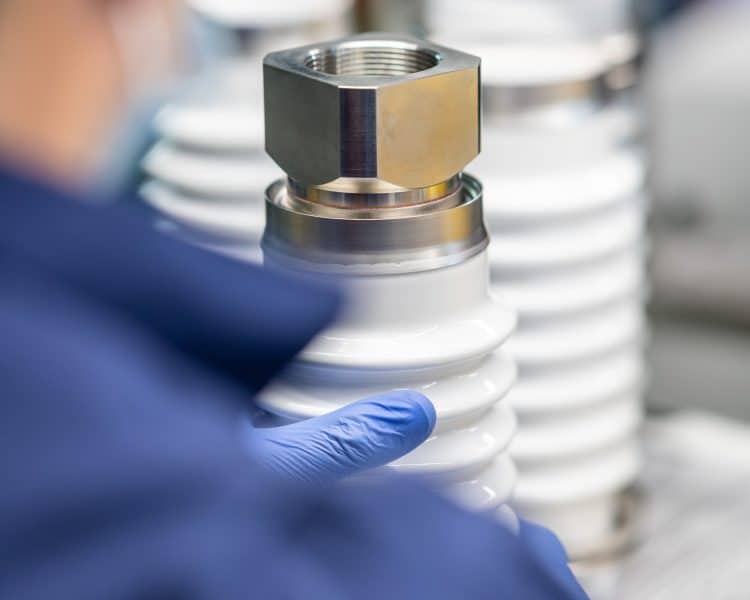
Our ceramic materials and ceramic-to-metal assemblies are designed to perform in environments where safety, durability, and reliability are essential.
Hermeticity
Creating a durable hermetic barrier between internal and external environments to protect critical electrical systems from moisture, pressure, gases, and aggressive operating conditions while helping contain hazardous or substances when required.

High Pressure
Reliable performance in deep-water and high-pressure applications.
Radiation Resistence
Materials suitable for nuclear and advanced energy applications
High Temperatures
Ceramic materials engineered for demanding thermal environments.
Electrical Insulation
Reliable electrical isolation for high-voltage and power applications.

Corrosion & Aggressive Environments
Materials selected to withstand chemically demanding operating conditions.
Long Service Life
Components designed to deliver reliable performance over decades of operation.
02 – Applications
Applications
SCT supports the development, qualification, and industrialization of a wide range of energy technologies through fully customized ceramic components and ceramic-to-metal assemblies. Our in-house qualification capabilities—including pressure, electrical, and mechanical testing—help verify product performance against each application’s requirements before production.
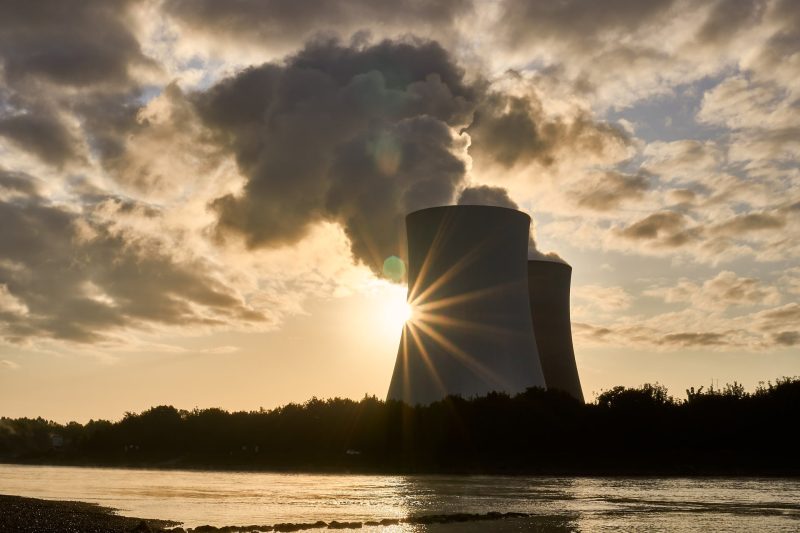
Nuclear Fission
Hermetic electrical feedthroughs and ceramic components supporting reactor systems and nuclear instrumentation.
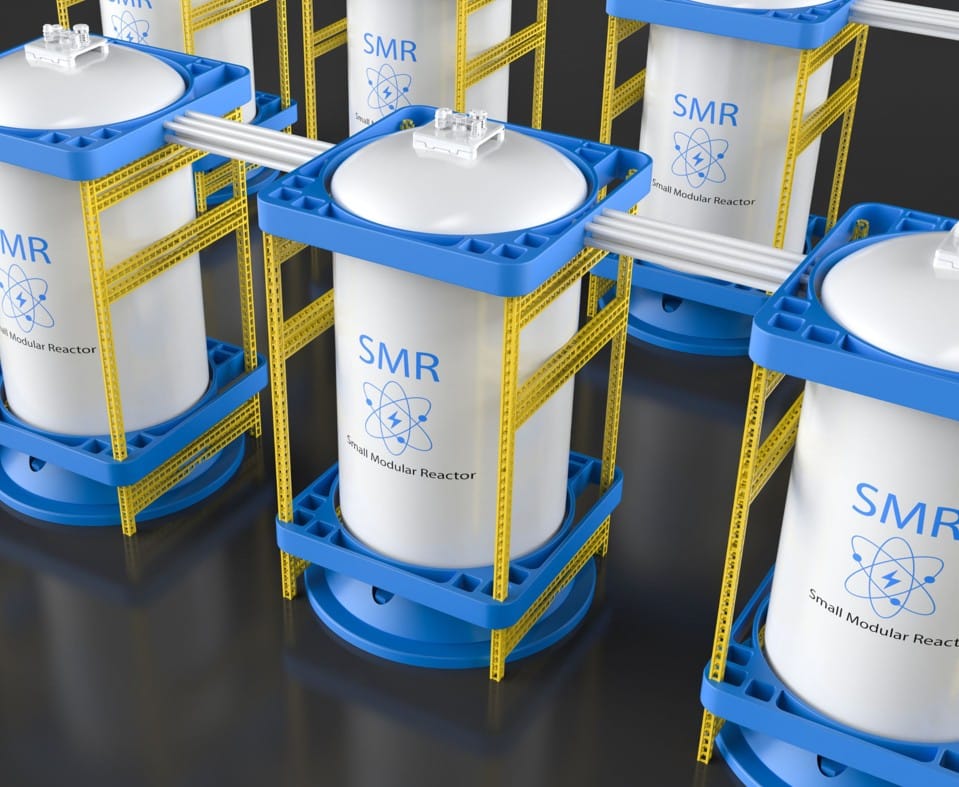
Small Modular Reactors (SMRs)
Compact, high-reliability ceramic solutions supporting next-generation nuclear technologies.
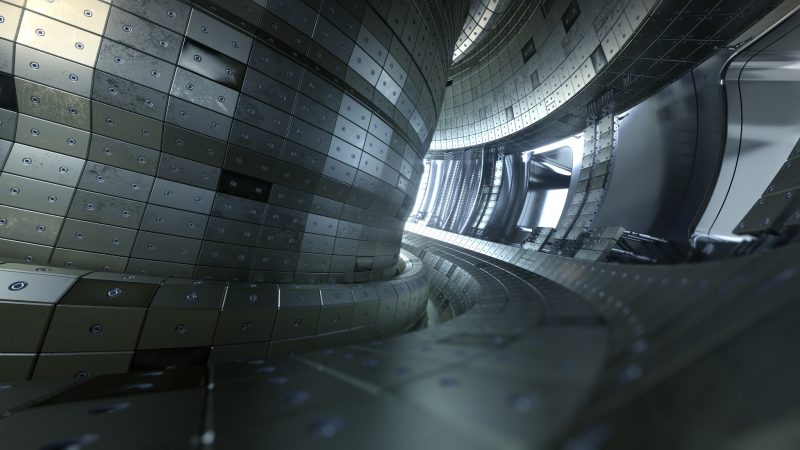
Fusion Energy
Advanced ceramic components for high-temperature, high-vacuum, and high-power environments.

Offshore & Subsea
Hermetic electrical feedthroughs and connectors designed for high-pressure underwater applications.
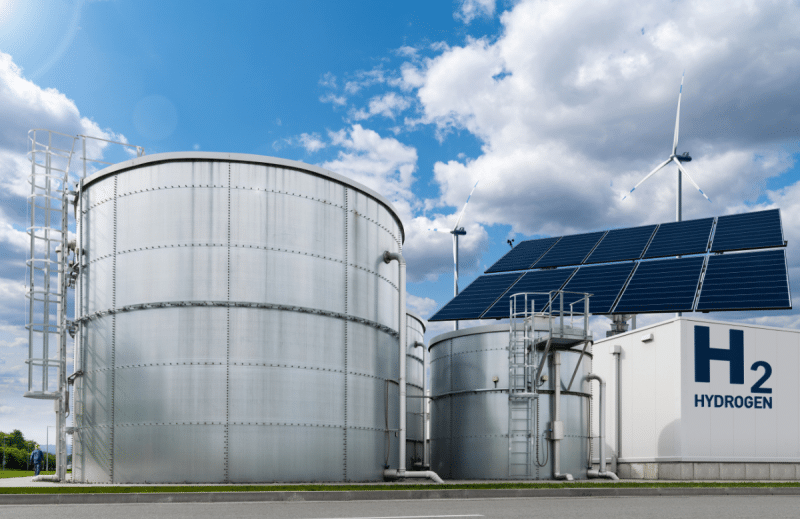
Hydrogen
Ceramic components supporting emerging hydrogen production, storage, and processing technologies.
02 – Products
Solutions We Develop
Every solution is engineered to meet the technical and environmental requirements of its application.
Our core solutions include:
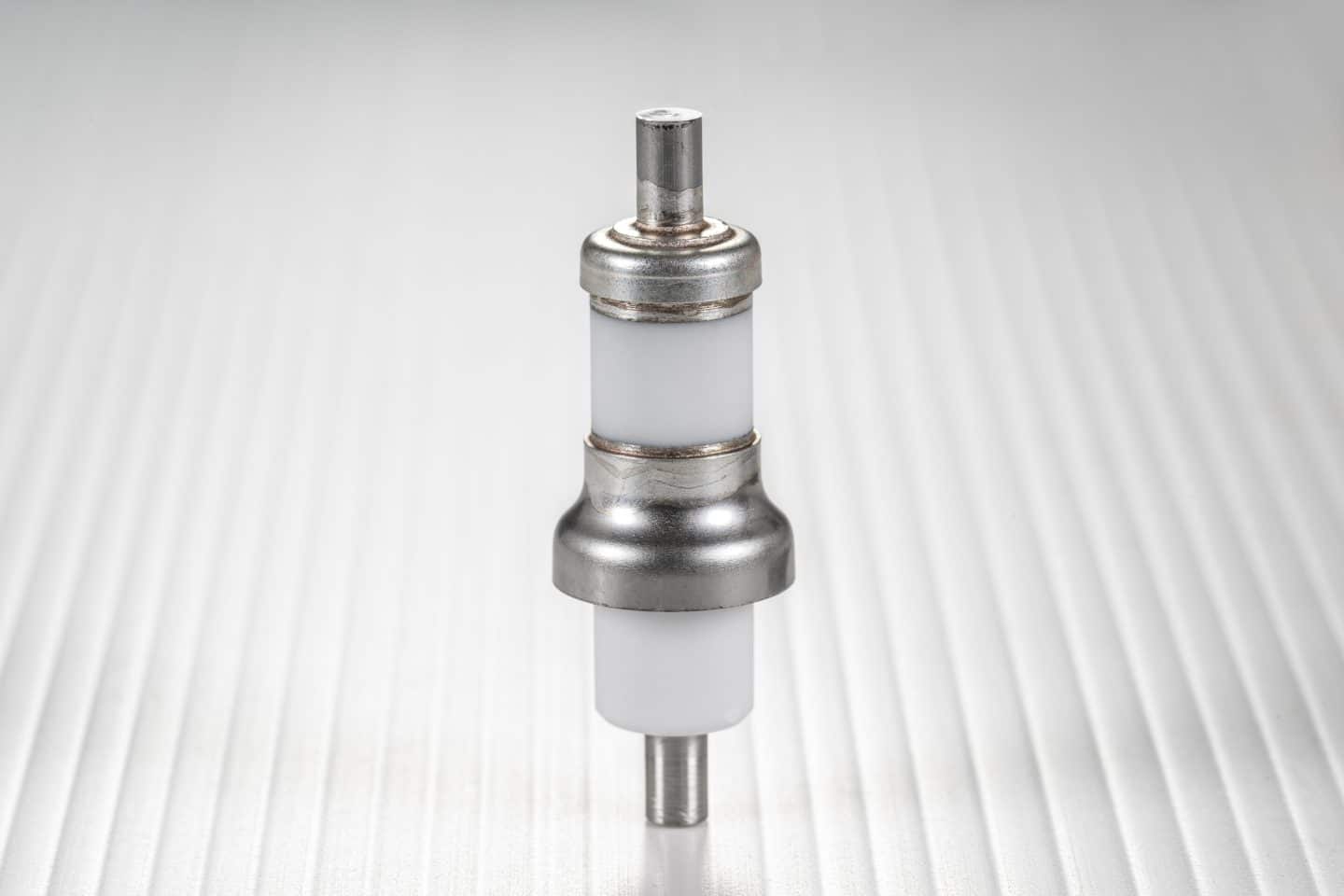
01
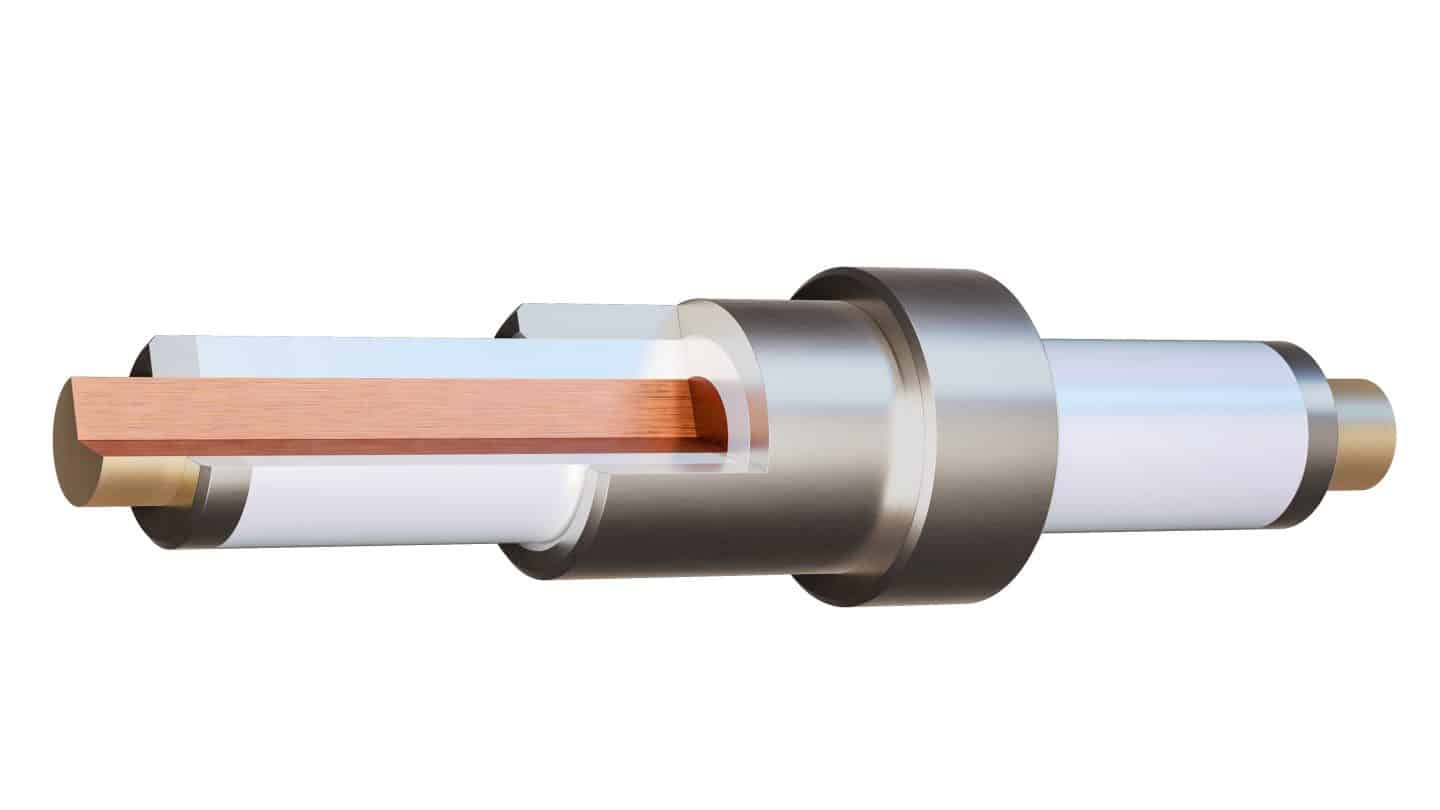
Hermetic Feedthroughs
Hermetic electrical interfaces for nuclear, fusion, hydrogen, and offshore applications.
02
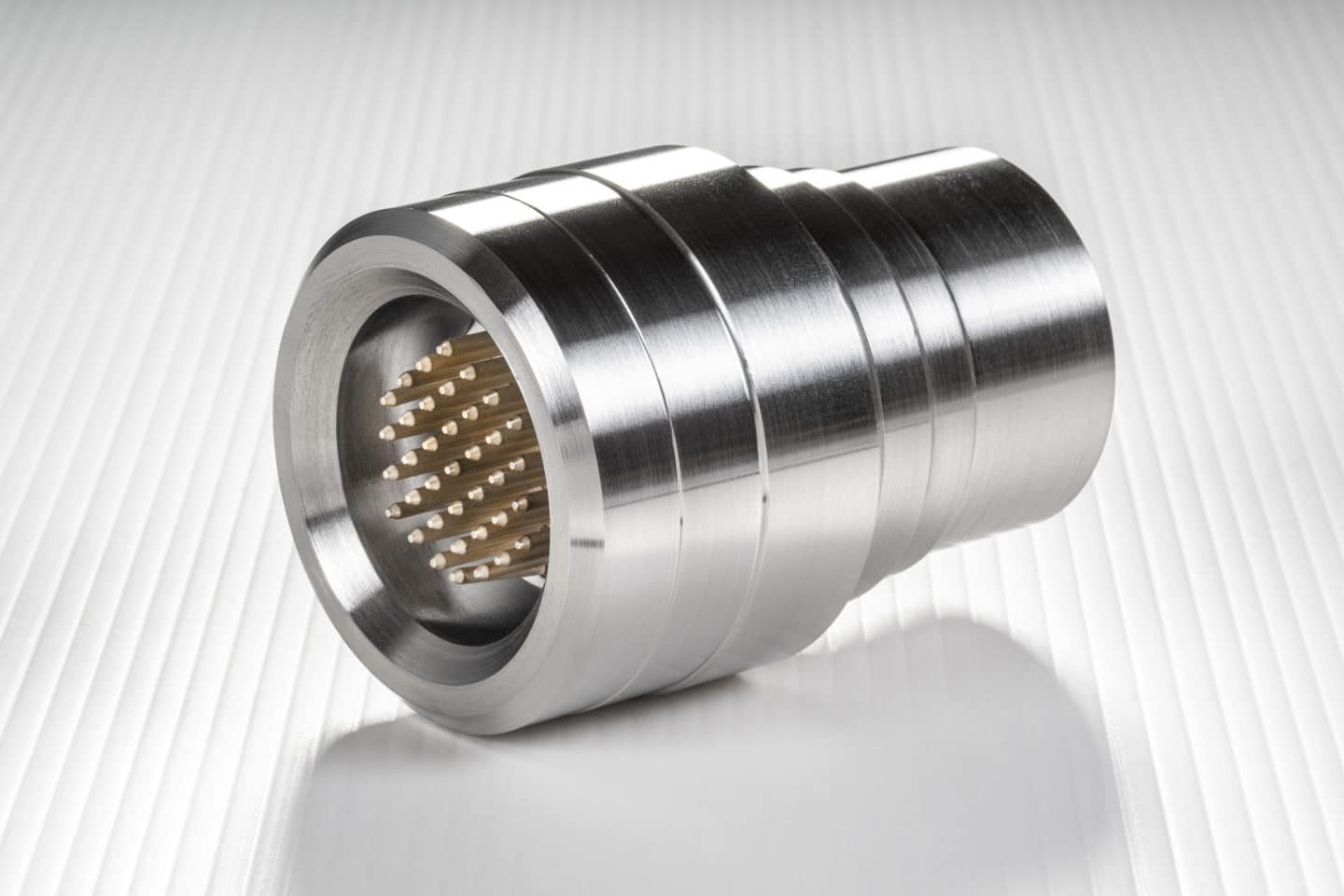
Ceramic Penetrators
Hermetic electrical penetrators designed for high-pressure, subsea, and other critical energy applications.
03
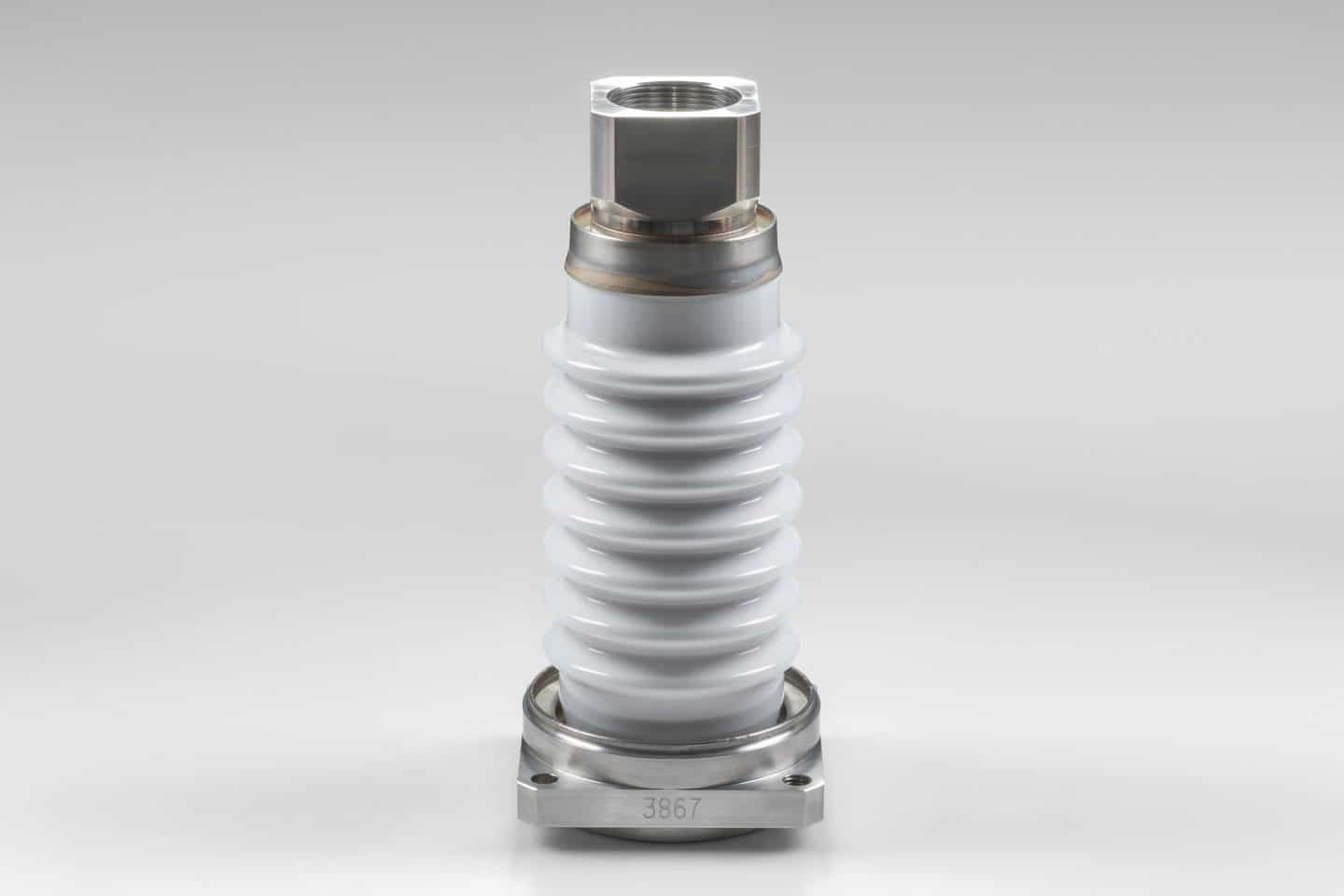
Ceramic Connectors
High-power and multi-pin connectors providing reliable electrical connections in demanding industrial environments.
04
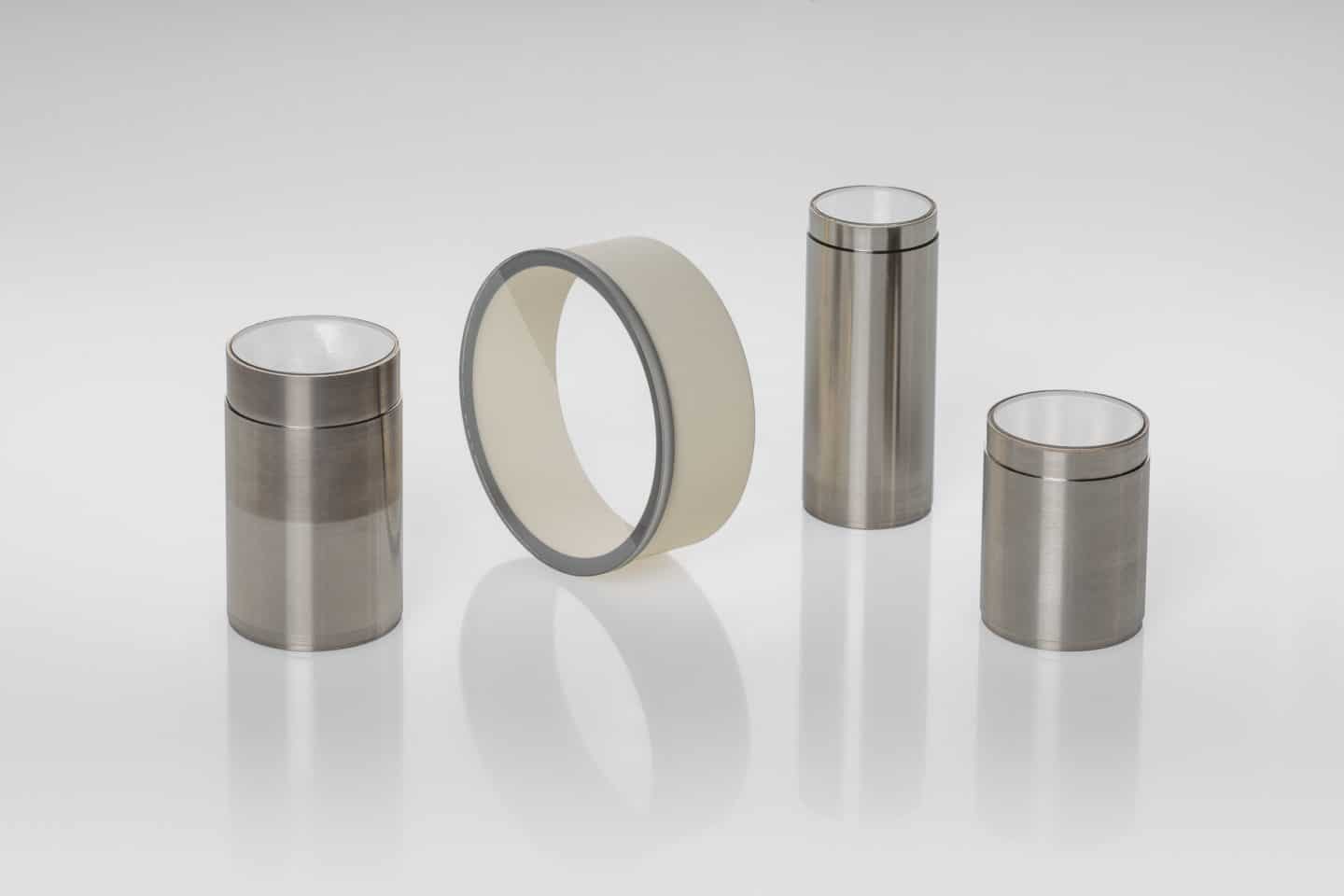
High-Voltage Ceramic Insulators
Electrical insulation solutions for power equipment and high-voltage systems.
05
Sapphire Windows
Hermetic optical windows combining excellent optical transmission with exceptional mechanical strength for vacuum, high-pressure, and harsh operating environments.
03 – expertises
Built for Critical Energy Applications
Safety and reliability are fundamental to every energy project.
For decades, SCT has supported critical energy applications by implementing rigorous manufacturing practices designed for environments where component performance cannot be compromised. This commitment is reflected throughout our organization—from product development and manufacturing to inspection and continuous improvement.
Our expertise includes:
- Co-development with engineering teams
- Nuclear safety culture
- Manufacturing traceability
- Industrialization & production readiness
- Long-term production support
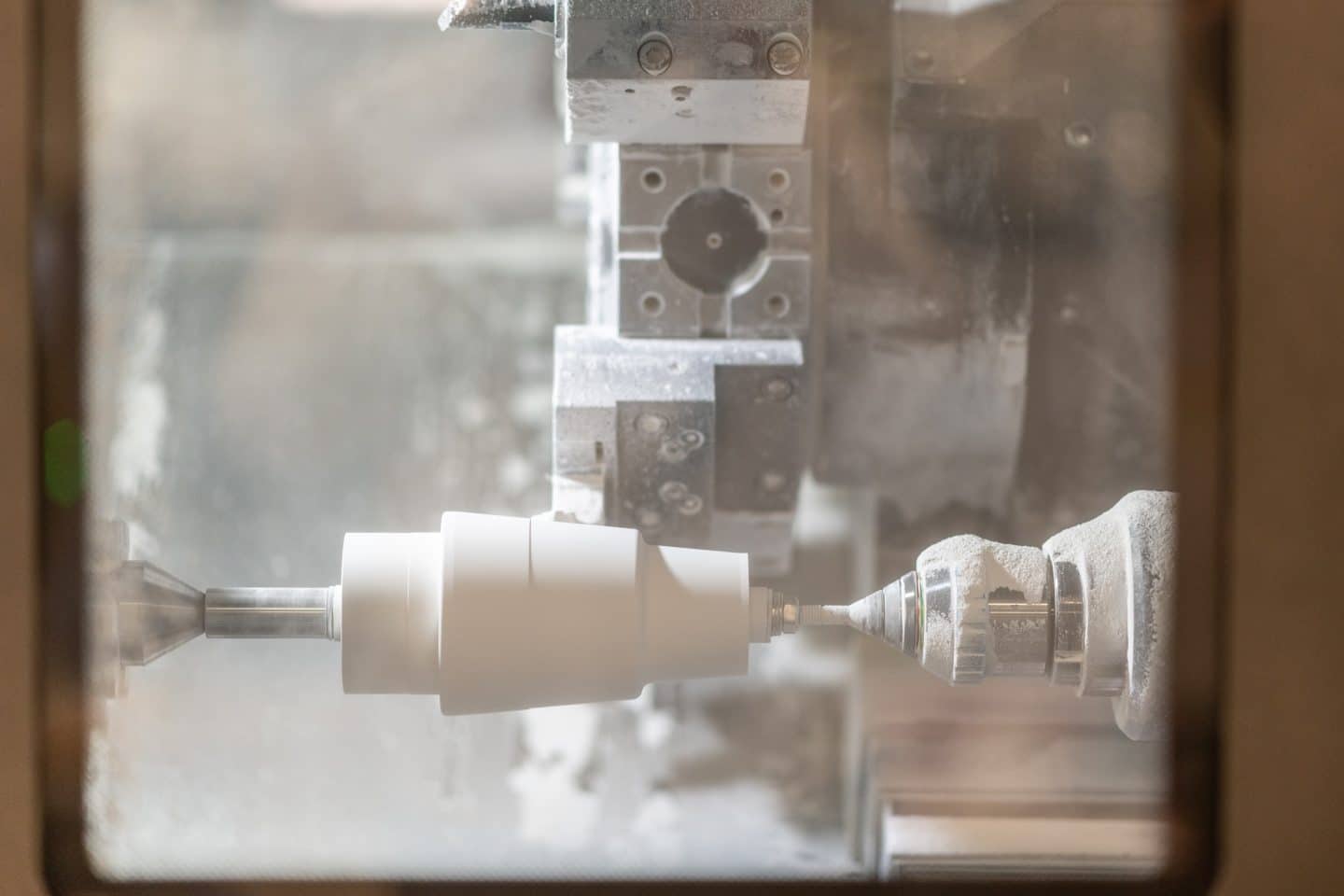

SCT also maintains COFREND-certified helium leak testing capabilities, providing qualified non-destructive testing for applications where hermeticity and long-term reliability are essential.
SCT Ceramics is a proud member of GIFEN, The French Nuclear Energy Industry Group. As a member, we enjoy access to its vast network of 2600 companies, as well as market research, webinars and industry-related conferences. In a fast growing market that allows for zero margin for error, our clients have the benefit of a supplier at the forefront of innovation, with access to the latest advancements in nuclear technology.
Supporting Capabilities
From early-stage development to long-term production, SCT supports customers throughout the product lifecycle.
Research & Innovation
Developing advanced ceramic materials and manufacturing technologies for next-generation energy systems.
Learn more
Product Development
Co-developing robust, manufacturable solutions tailored to demanding operating environments.
Learn more
Industrialization
Preparing products for reliable series production through Design for Manufacturability (DFM), process optimization, and production readiness.
Learn more
Materials
Selecting ceramic, metal, and brazing technologies based on electrical, thermal, mechanical, and environmental requirements.
Learn more
Quality Assurance
Every project has its own requirements for inspection, qualification, documentation, and traceability.
Our quality approach is tailored to the requirements of each application and the expectations of every customer.
As part of our commitment to continuous improvement, SCT is pursuing ISO 19443 certification, with certification targeted for 2027.
Learn more about Quality & Environment
06 – FAQ
Frequently Asked Questions
How long has SCT been supplying the nuclear industry?
SCT has been supporting the nuclear industry for more than 60 years. Since contributing to the first French nuclear installations in 1968, we have developed ceramic-to-metal solutions for applications where safety, reliability, and long service life are essential.
Today, SCT continues to support customers across the nuclear sector, from established reactor technologies to next-generation Small Modular Reactors (SMRs) and fusion energy projects.
What is the difference between nuclear fission and nuclear fusion?
Nuclear fission produces energy by splitting heavy atoms, such as uranium, and is the technology used in today’s commercial nuclear power plants.
Nuclear fusion generates energy by combining light atoms under extremely high temperatures. While still an emerging technology, fusion has the potential to provide large amounts of low-carbon energy in the future.
SCT develops ceramic-to-metal solutions for both fission and fusion applications, engineered to perform under demanding electrical, thermal, mechanical, and environmental conditions. Our expertise is further demonstrated by our qualification to supply components for ITER, one of the world’s most ambitious nuclear fusion projects.
What is an SMR?
A Small Modular Reactor (SMR) is a new generation of nuclear reactor designed to be smaller, modular, and more flexible than conventional nuclear power plants. Many SMR designs aim to improve safety, simplify construction, and support low-carbon energy production.
SCT works with customers developing next-generation nuclear technologies by providing customized ceramic-to-metal assemblies designed for demanding nuclear environments.
Are ceramics used in hydrogen production?
Yes. Advanced ceramics are increasingly used in hydrogen technologies because they offer excellent electrical insulation, chemical resistance, and high-temperature stability.
Applications include systems such as Solid Oxide Electrolysis Cells (SOEC), ammonia cracking technologies, and other emerging hydrogen production and processing solutions.
SCT is actively supporting customers developing next-generation hydrogen technologies through customized ceramic-to-metal solutions for the evolving energy transition.
Why are ceramic-to-metal assemblies used in offshore applications?
Offshore and subsea equipment must operate reliably under extreme pressure while resisting corrosion, moisture, and harsh environmental conditions. Ceramic-to-metal assemblies provide electrical insulation together with long-term hermetic sealing in these demanding environments.
SCT develops customized feedthroughs and ceramic-to-metal assemblies for offshore energy applications where pressure resistance, reliability, and long service life are critical.
Why is hermeticity important in critical energy systems?
Many energy applications require electrical connections to pass through pressure or containment barriers while preventing the ingress or escape of gases and fluids. Maintaining long-term hermeticity is essential for both safety and equipment reliability.
SCT combines decades of ceramic-to-metal brazing expertise with COFREND-certified helium leak testing capabilities to help customers achieve the hermetic performance required for critical energy applications.
Can SCT develop custom ceramic components for emerging energy technologies?
Yes. Every energy application presents unique technical and environmental challenges, from extreme temperatures and pressures to electrical insulation and long service lifecycles.
SCT partners with customers from development through industrialization to co-develop robust ceramic-to-metal solutions for nuclear, offshore, hydrogen, fusion, and other next-generation energy technologies.
06 – contact
Ready to Develop Your Next Energy Solution?
Whether you’re developing equipment for nuclear, fusion, hydrogen, or offshore applications, SCT can help transform your technical requirements into robust ceramic-to-metal solutions.
How does SCT support safety in nuclear applications?
Safety is fundamental to every nuclear project. Beyond component performance, manufacturers must demonstrate rigorous quality management, traceability, inspection, and continuous improvement throughout the product lifecycle.
SCT applies the principles of nuclear safety culture throughout its organization and supports customers through robust manufacturing processes, traceability, and qualified inspection methods. Our COFREND-certified helium leak testing capabilities further support applications where hermeticity is critical.