
A Platform for High-Density Ceramic Interconnection
Push the limits of miniaturization, channel density, and functional integration.
- Up to 800 channels/cm²
- Pitch down to 300 µm
- Biocompatible alumina-platinum HTCC platform
- Excellent via conductivity
- Conductive network integrated within the multilayer ceramic structure
- Internal routing for greater design flexibility
- Integrated antennas for wireless communication and inductive charging
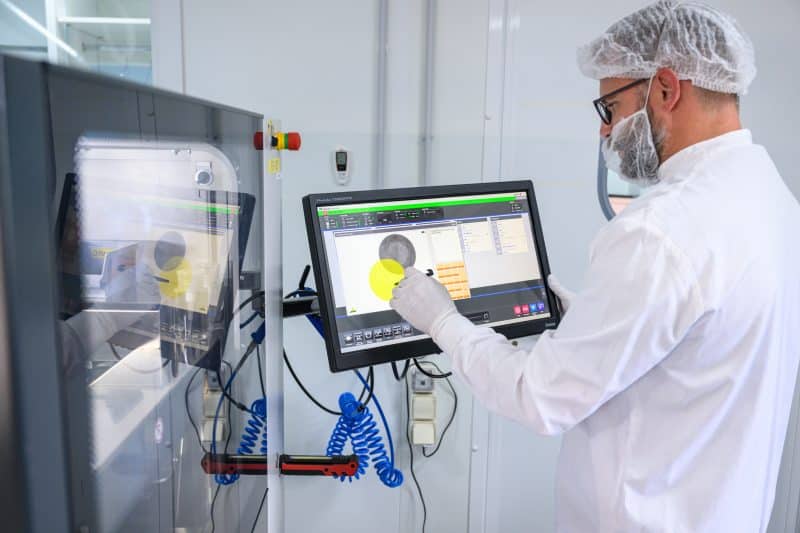
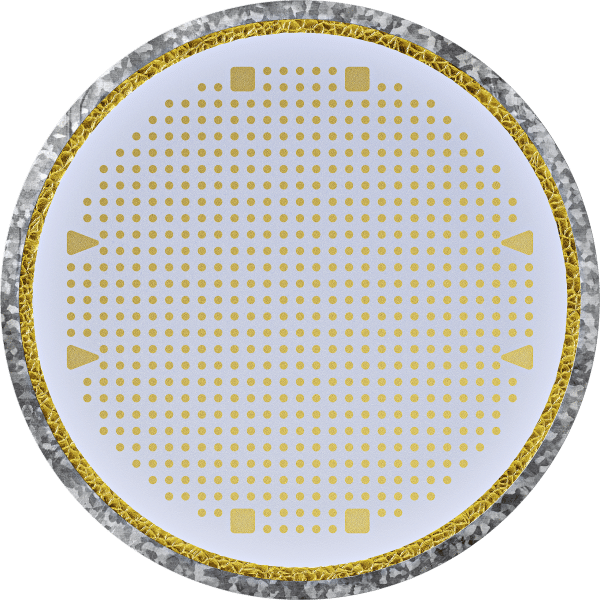
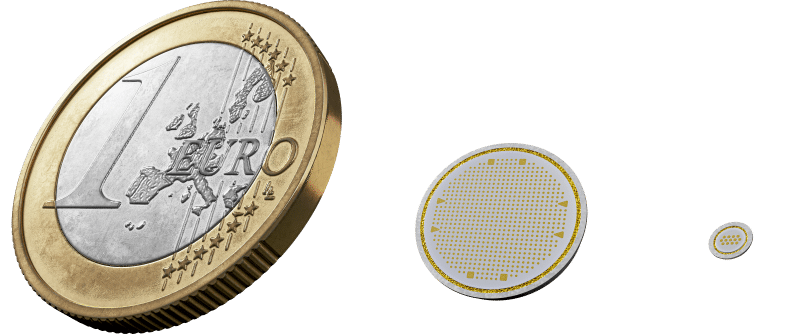
Need a Hundred Channels—or Just a Few?
CerMet offers exceptional design flexibility, accommodating a wide range of interconnection requirements—from just a few connections to several hundred channels within a single component.
With vias integrated directly into the ceramic, CerMet enables tighter pitch and very high densities while minimizing the overall component footprint.
This flexibility allows the CerMet architecture to be tailored to each device, whether the goal is to miniaturize a small number of connections or integrate hundreds of channels into an extremely compact footprint.
What Is CerMet?
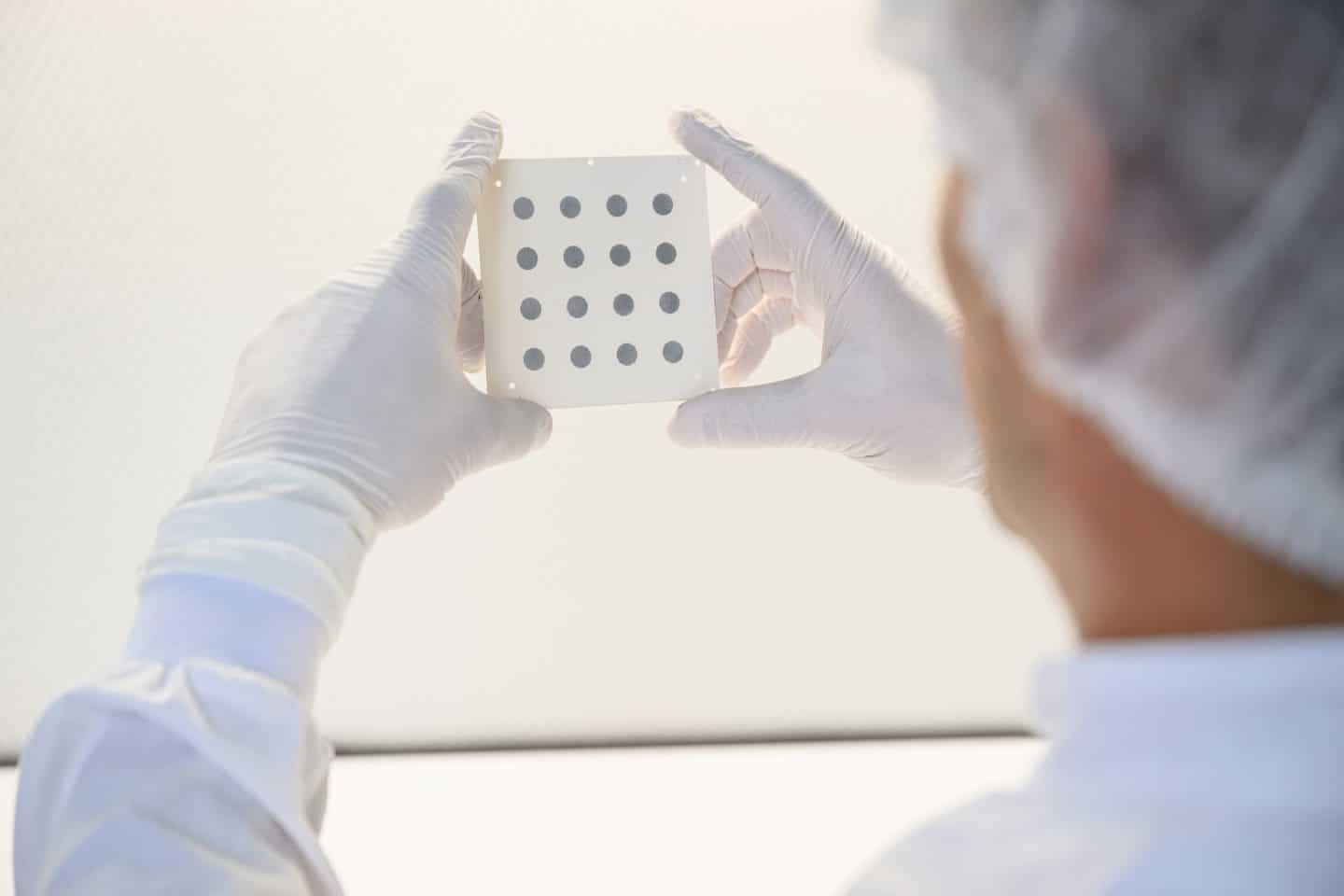
CerMet is more than a hermetic feedthrough. It is a fully integrated ceramic interconnection platform.
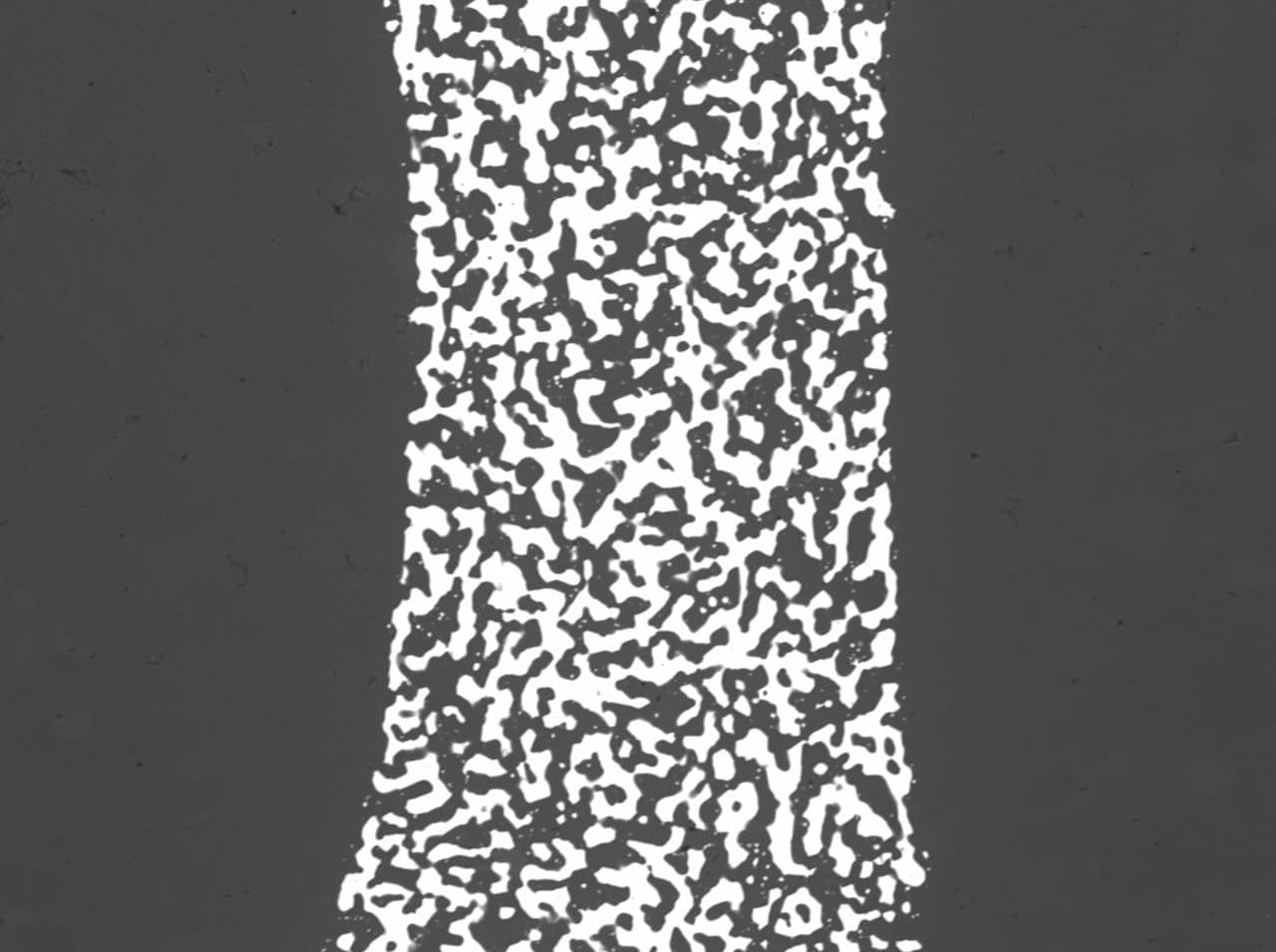
A proprietary alumina-platinum conductive paste is screen-printed between multiple ceramic layers before co-firing, creating a continuous conductive network embedded directly within the ceramic structure.
The result is a fundamentally different approach to ceramic interconnection, combining very high interconnection density with the biocompatibility, hermeticity and reliability required for next-generation implantable medical devices.
Why is CerMet different?
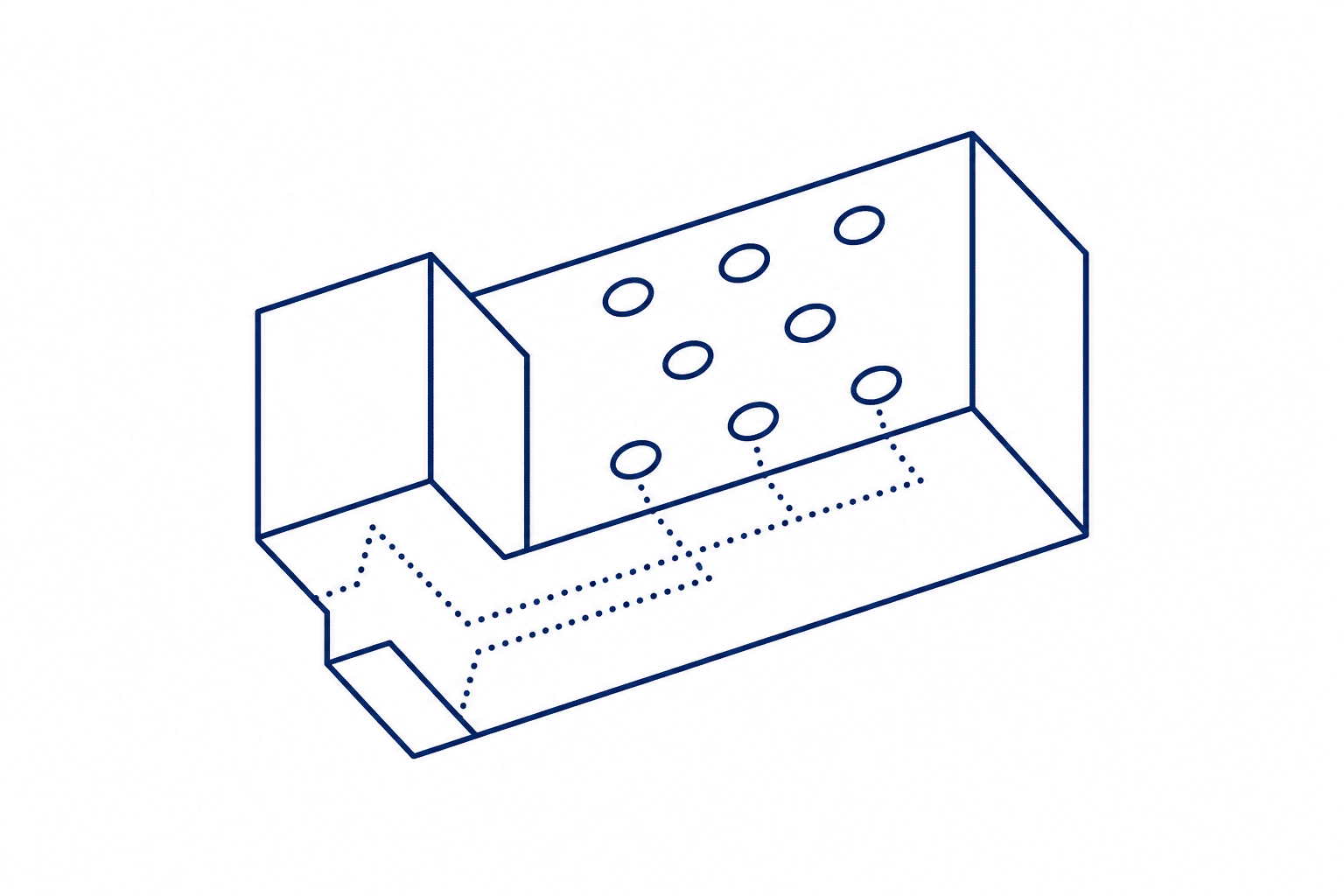
Integrated conductive network & internal routing
Conductive paths are integrated directly within the multilayer ceramic structure, enabling complex internal routing and greater design flexibility.
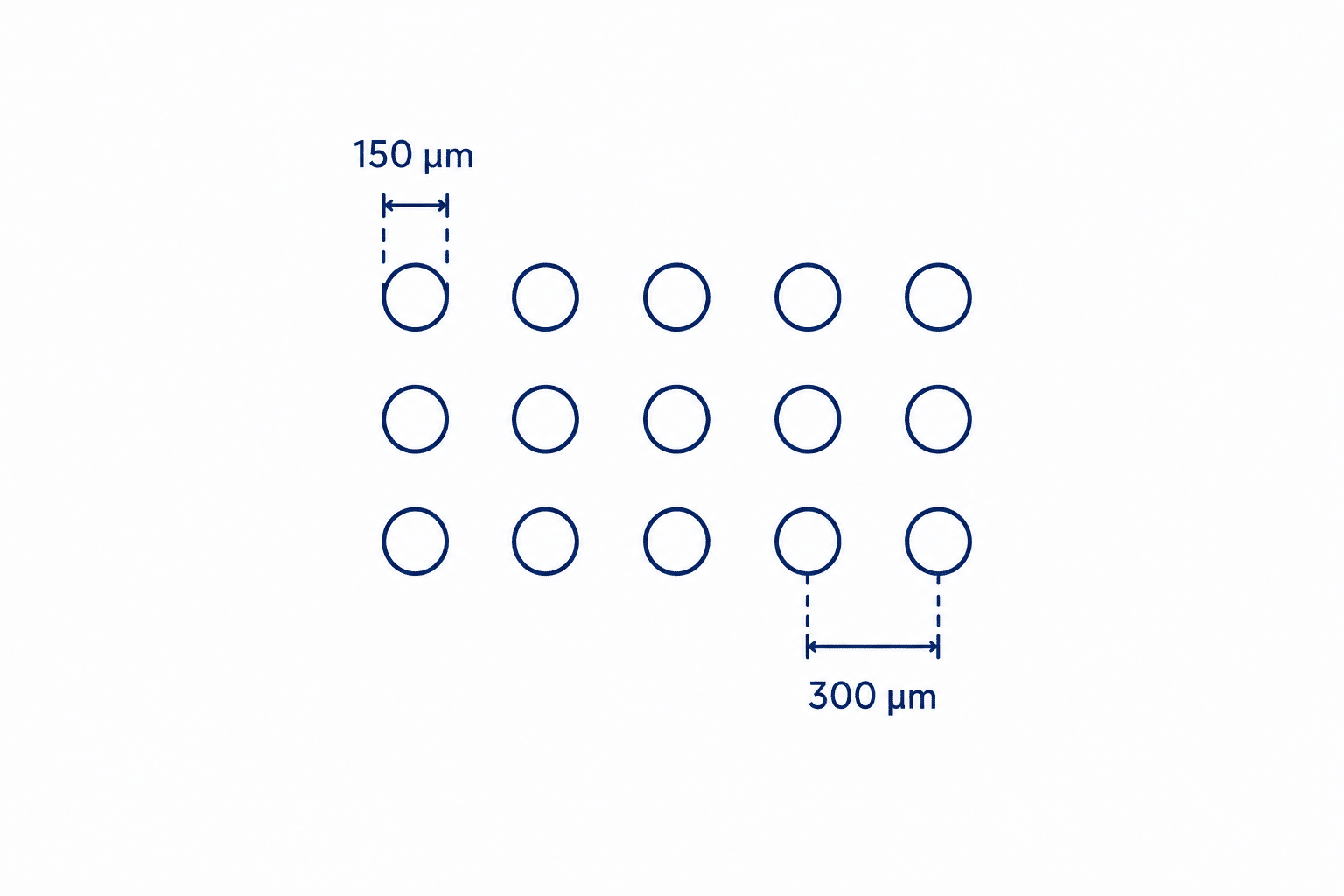
Ultra-high density
Pitch down to 300 µm and up to 800 channels/cm², with excellent via conductivity and high electrical insulation between adjacent conductors.
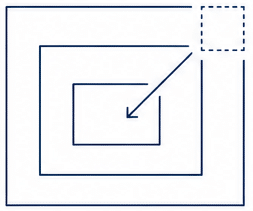
Miniaturization
Higher interconnection density reduces the overall footprint of implantable devices without compromising functionality.
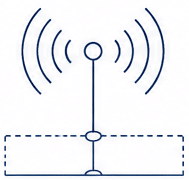
Integrated antenneas
Antennas can be integrated directly within the multilayer ceramic structure for wireless communication and inductive charging, eliminating the need for separate components.
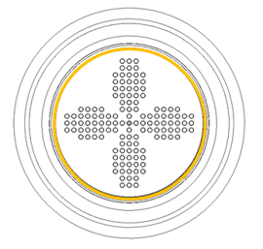
Optimized hermiticity
A single ceramic-to-metal brazed interface simplifies the overall assembly while providing robust, reliable long-term hermeticity

Biocompatibility
A biocompatible alumina-platinum HTCC platform designed for implantable medical devices and long-term applications.
Advanced Routing & Functional Integration
One of CerMet’s key advantages is its ability to integrate the conductive network directly within multiple ceramic layers.
Connections can be routed vertically through vias and horizontally between layers, allowing connection points to be positioned independently on either side of the component and providing greater design flexibility.
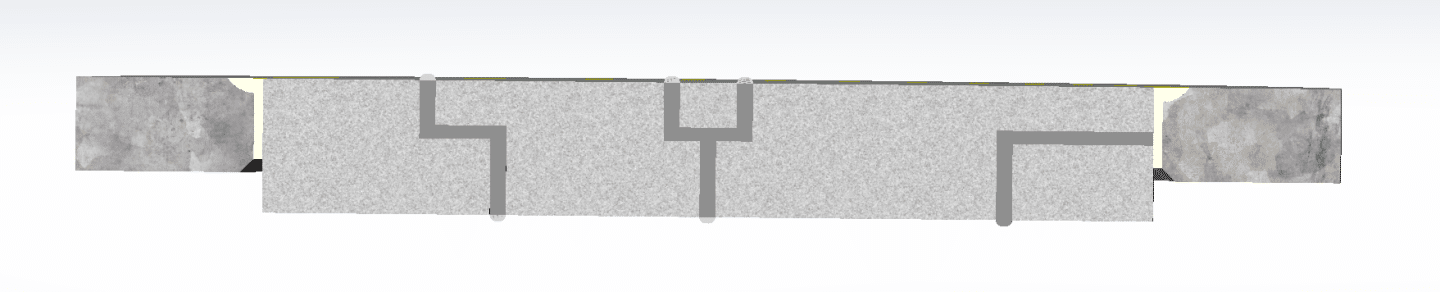
Top view
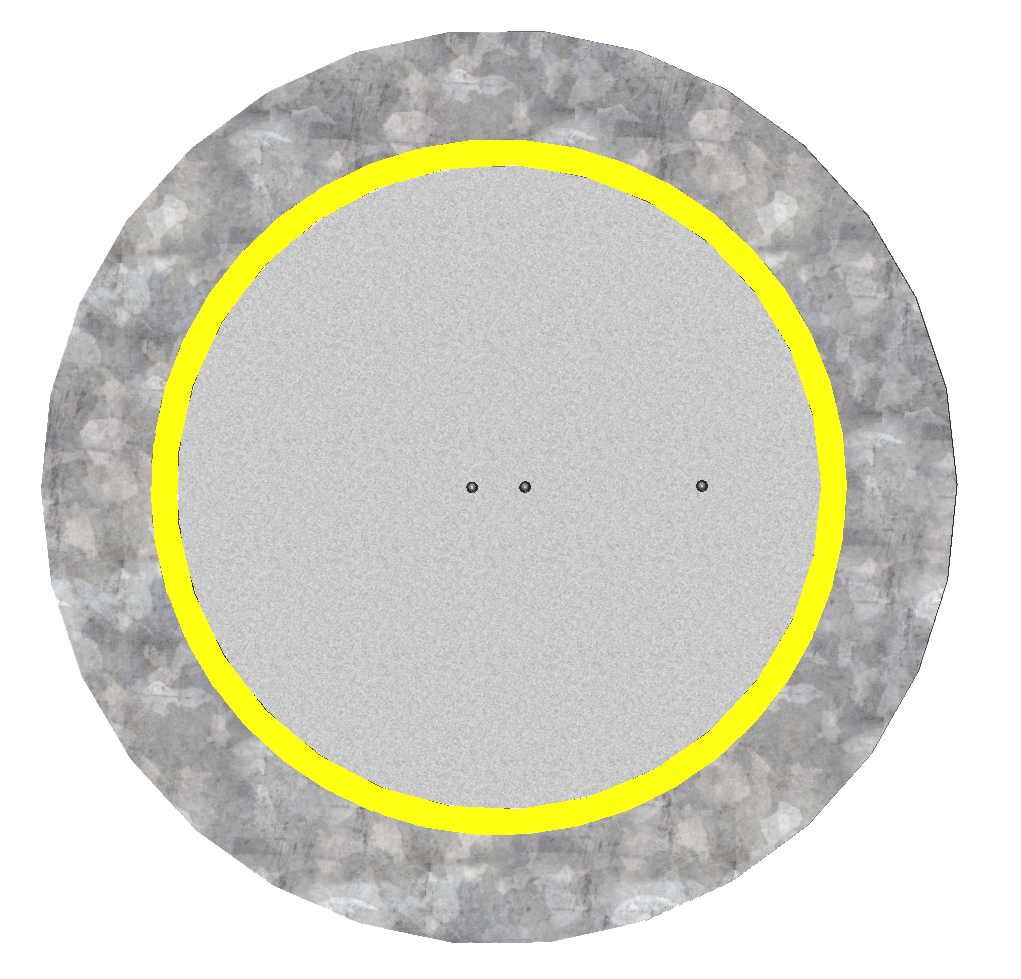
Bottom view
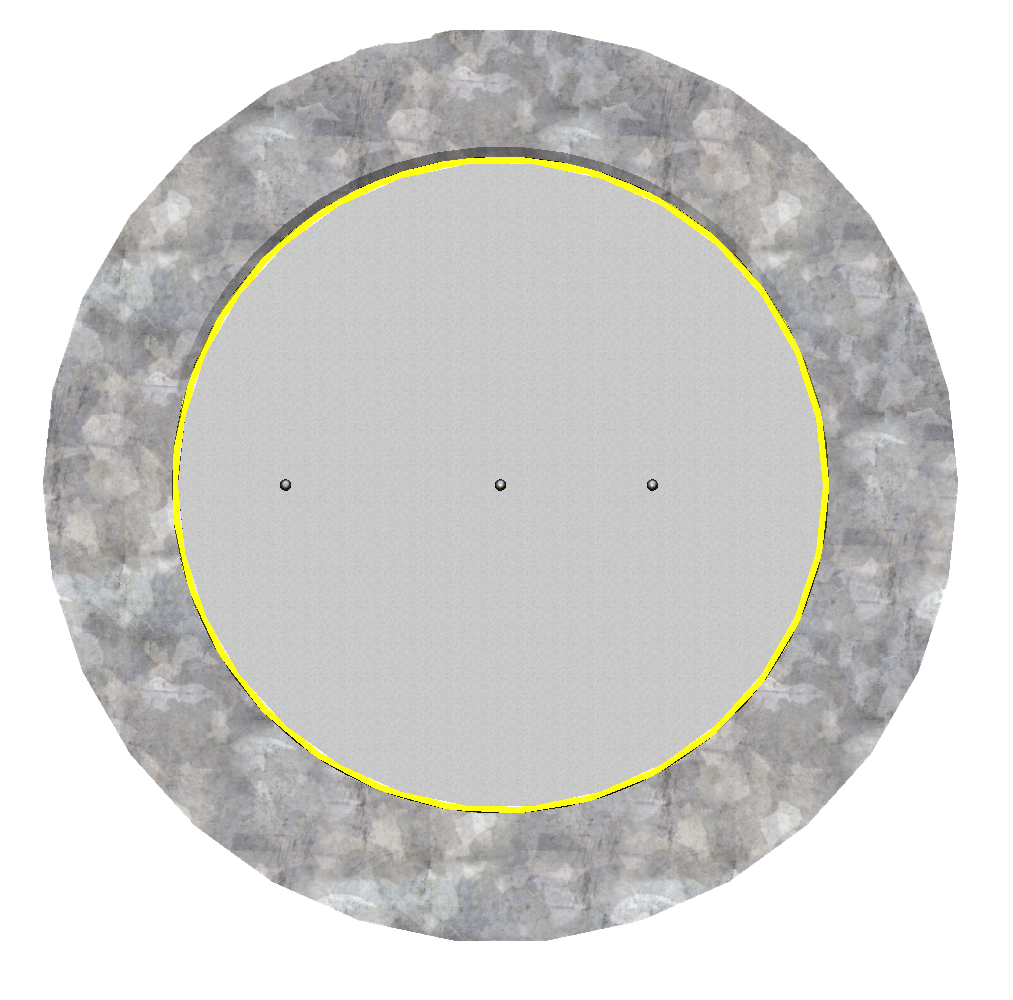
This approach enables:
- Internal signal routing
- Multilayer interconnections
- Complex interconnection geometries
- Non-linear routing
- Compact system architectures
Integrated Antenna Technology
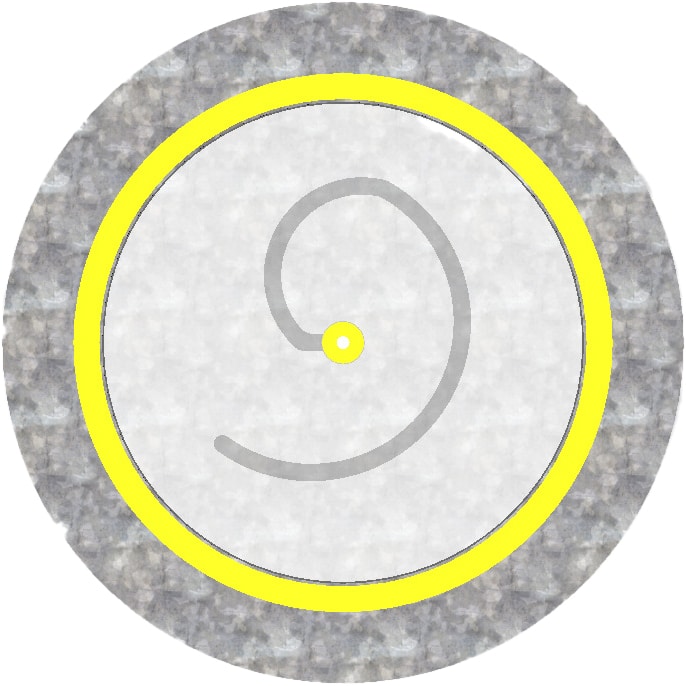
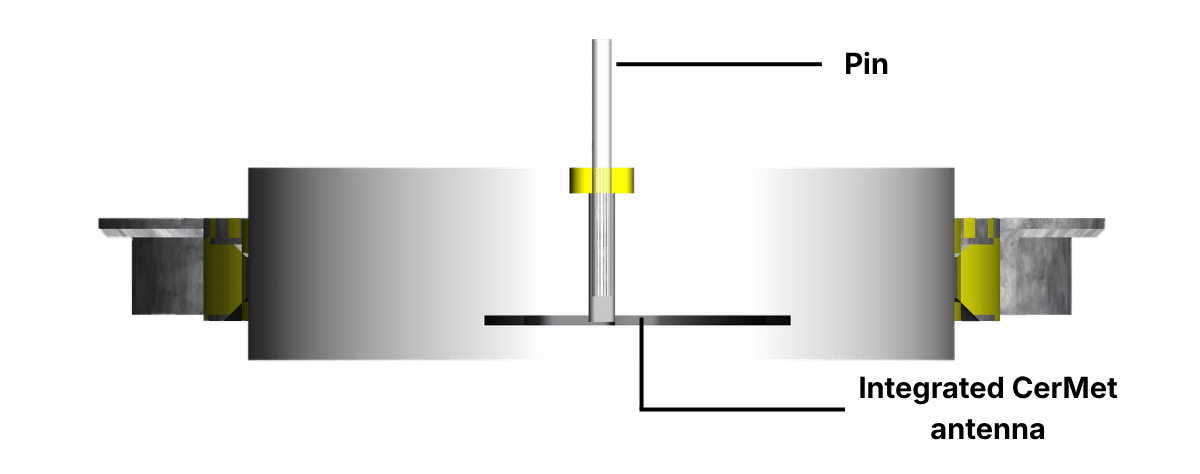
CerMet technology enables an antenna to be integrated directly within the multilayer alumina structure, rather than added as a separate component. This approach helps reduce the overall footprint and simplify the architecture of the implantable device.
The integrated antenna can be connected through a metal pin brazed directly onto the component.
Integrated antenna · Reduced footprint · Simplified architecture
Designed for Industrialization
CerMet is not only an innovative interconnection technology; it also provides a highly repeatable manufacturing platform.
By integrating conductive paths directly during the HTCC process, CerMet offers:
- Reduced assembly complexity
- Fewer individual components
- Controlled, repeatable manufacturing
- Improved production efficiency
- Excellent scalability to higher production volumes
- Opportunities for cost optimization in series production
CerMet was developed not only as a high-density interconnection technology, but also as an industrial platform capable of supporting projects from initial feasibility studies through series production
High-Density Feedthroughs
CerMet is an ideal solution for manufacturers of active implantable medical devices (AIMDs) looking to increase interconnection density while reducing device footprint.
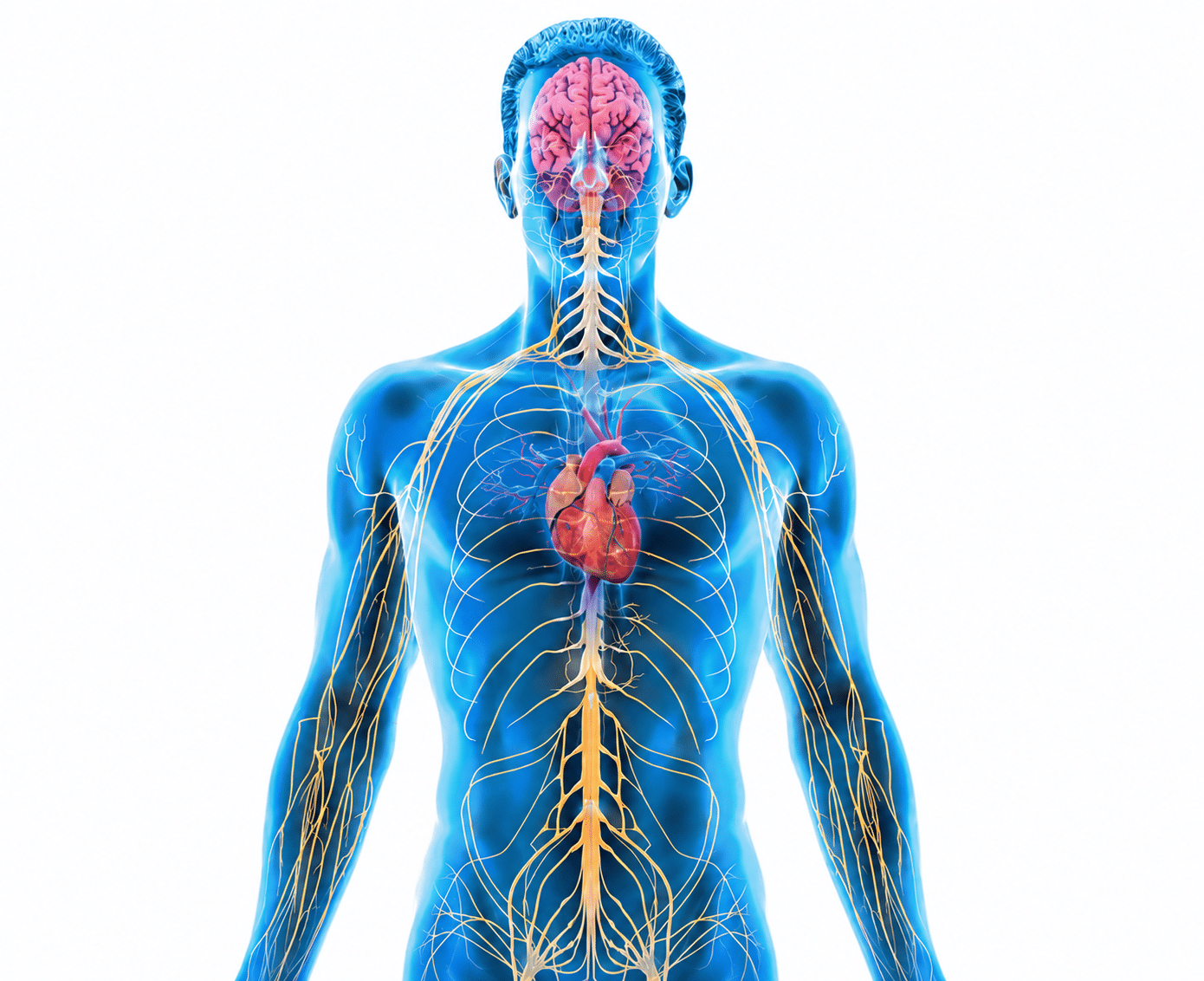
Brain-computer interfaces (BCIs), for example, may require hundreds or even thousands of electrical connections within an extremely compact space. CerMet helps enable these high-density architectures and supports the development of next-generation implantable devices.
Applications
CerMet is an ideal solution for manufacturers of active implantable medical devices (AIMDs) looking to increase interconnection density while reducing device footprint.
Brain-computer interfaces (BCIs), for example, may require hundreds or even thousands of electrical connections within an extremely compact space. CerMet helps enable these high-density architectures and supports the development of next-generation implantable devices.
Brain-Computer Interfaces (BCIs)
Cochlear Implants
Motor Neuroprostheses
Retinal Implants
Next-Generation Neurostimulation Systems
Next-Generation Cardiac Rhythm Management Devices
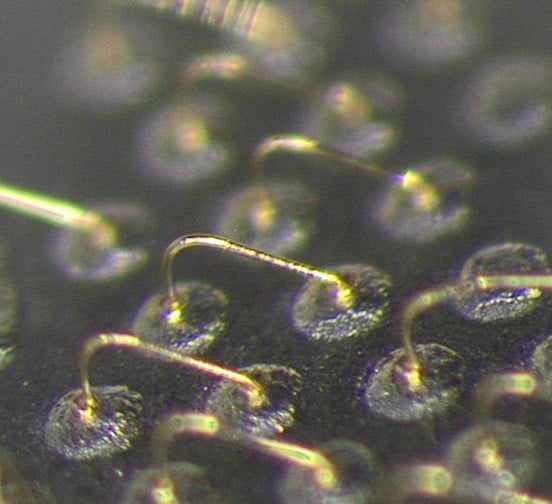
Compatible with Multiple Integration Technologies
As an open technology platform, CerMet is not limited to these integration methods. Additional solutions can be developed and optimized to meet the specific requirements of each application.
Wire Bonding
Additional methods
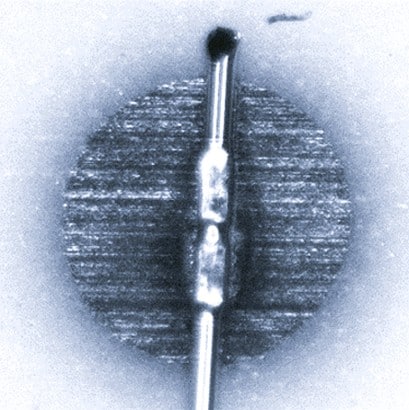
Resistance Welding
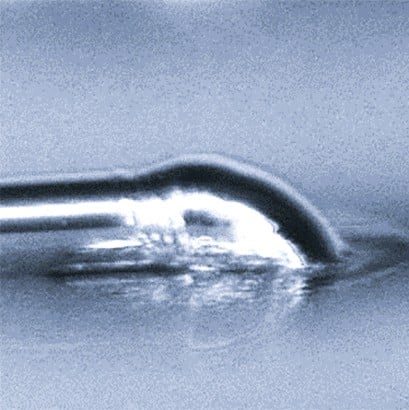
Soudage au laser
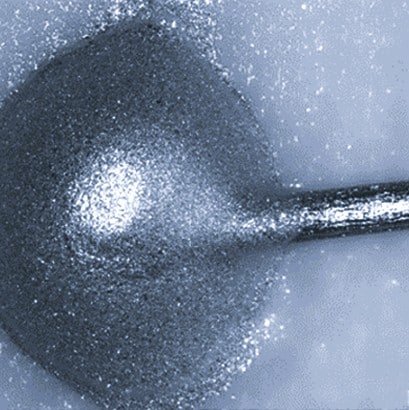
Adhésif conducteur
Developed Around Your Application
CerMet is not an off-the-shelf product.
Each solution is co-developed to meet the specific technical, electrical and manufacturing requirements of the application.
Working closely with our customers, we optimize:
- Channel density
- Interconnection pitch
- Internal routing
- Device footprint
- Functional integration
- Manufacturing strategy
Whether adapting an existing architecture or developing an entirely new concept, our engineering teams support each project from initial design through industrialization and series production.
Origins
CerMet was originally developed by Heraeus Medical Components as a next-generation interconnection technology for implantable medical devices.
Today, SCT builds on this innovation, combining it with more than 50 years of expertise in ceramic-to-metal brazing, hermetic packaging and industrialization to further develop the technology.
Following its acquisition of the technology, SCT holds the rights to develop, manufacture and sublicense CerMet™, providing partners with long-term flexibility and the option to establish dual-sourcing strategies.
Frequently Asked Questions
How is CerMet different from a conventional hermetic feedthrough?
Conventional feedthroughs typically rely on individually brazed metal pins. CerMet integrates the conductive paths directly within the ceramic during manufacturing, enabling higher interconnection density, greater design flexibility and more compact implantable device architectures.
By combining a proprietary HTCC process with its ceramic-to-metal brazing expertise, SCT has developed an interconnection platform for the next generation of implantable medical devices.
Why is high interconnection density important?
Implantable devices are becoming increasingly complex while also needing to become smaller.
CerMet enables pitch down to 300 µm while maintaining excellent electrical conductivity and high insulation between adjacent conductive paths, opening new possibilities for increasingly advanced and compact implants.
SCT works with customers to optimize channel density, routing and device architecture according to the requirements of each project.
Is CerMet biocompatible?
Yes. CerMet is based on a biocompatible alumina-platinum HTCC platform developed specifically for implantable medical devices. Combined with hermetic packaging and controlled manufacturing processes, it provides a robust solution for long-term implants.
SCT continues to develop and industrialize CerMet to support advances in implantable medical technology.
Developing the Next Generation of Implantable Devices?
Whether you’re developing a brain-computer interface, neurostimulation system, cochlear implant or another high-density implantable technology, SCT works with you to develop custom CerMet solutions from initial feasibility through industrialization.
Can antennas be integrated into CerMet?
Yes. Unlike conventional approaches where antennas are added as separate components, CerMet enables antennas to be integrated directly within the multilayer ceramic structure.
This approach helps reduce device footprint, simplify the overall architecture and support wireless communication or inductive charging.
SCT co-develops integrated antenna architectures with customers to meet the requirements of next-generation implantable devices.