
01 – Optical Solutions
Optical Solutions for Demanding Environments
Applications requiring optical access often cannot compromise on mechanical strength, hermeticity, or long-term reliability.
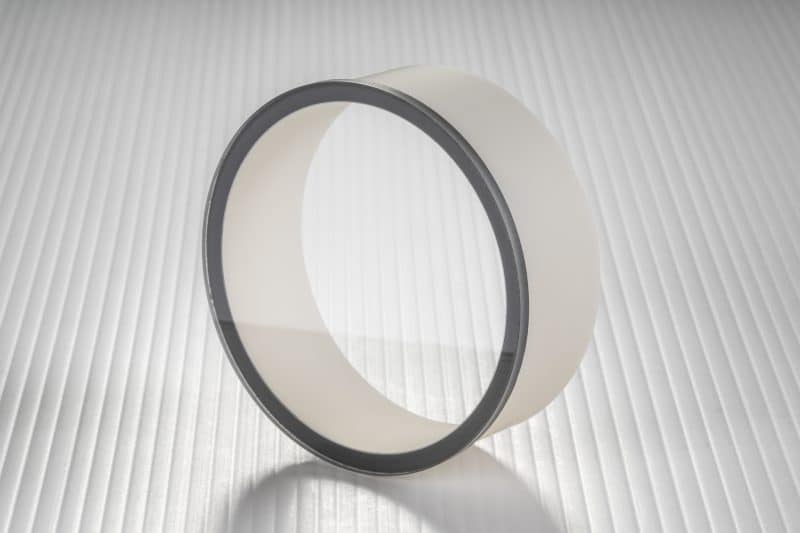
Manufactured from single-crystal alumina, sapphire combines exceptional optical transmission with outstanding hardness, mechanical strength, and chemical stability, making it an ideal material for demanding environments.
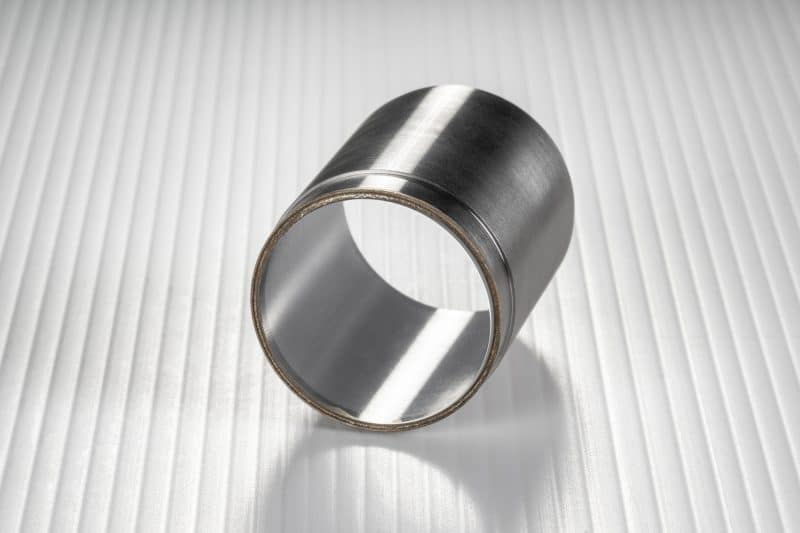
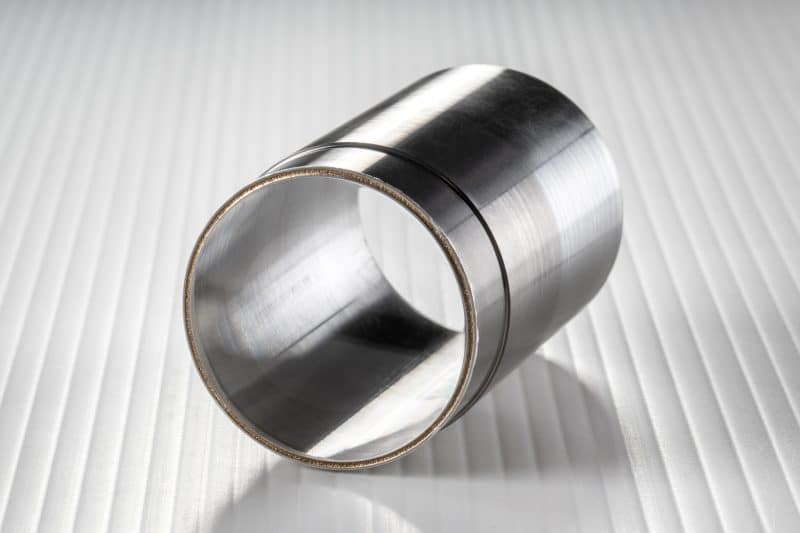
Leveraging its expertise in sapphire-to-metal brazing, SCT develops custom sapphire windows and sapphire-to-metal assemblies for medical, industrial, scientific, aerospace, and defense applications.
02 – Applications
Applications
Sapphire windows are used wherever optical performance must be combined with long-term reliability.

Medical Devices
Optical windows supporting implantable medical devices, emerging optical therapies, sensing technologies, and next-generation medical systems.
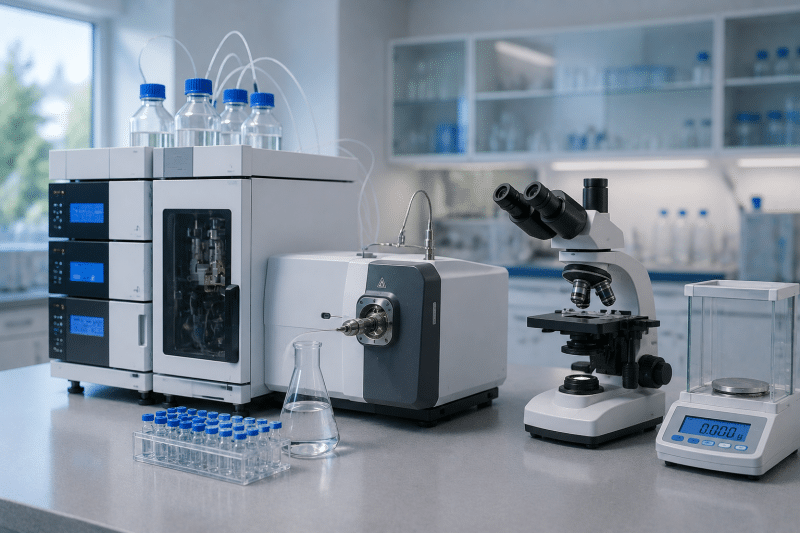
Analytical & Scientific Instrumentation
Optical windows for laboratory and research equipment operating in demanding environments.
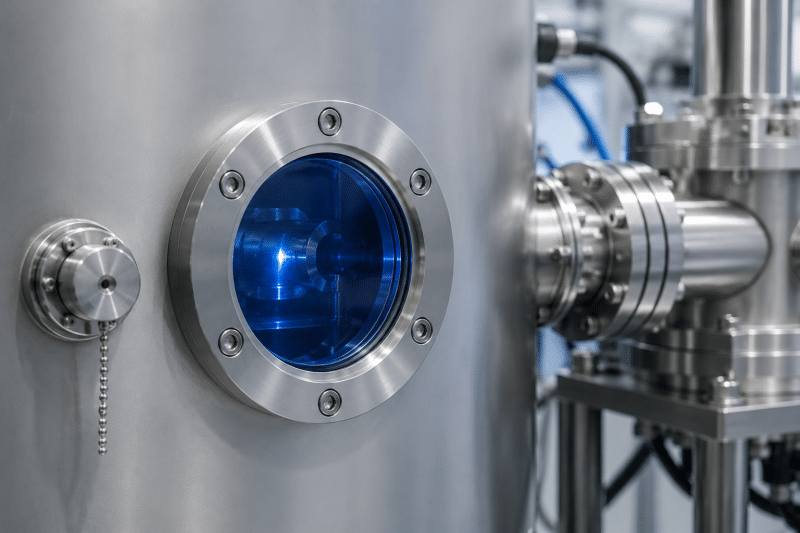
Industrial Equipment
Inspection, sensing, monitoring, and laser-based systems.
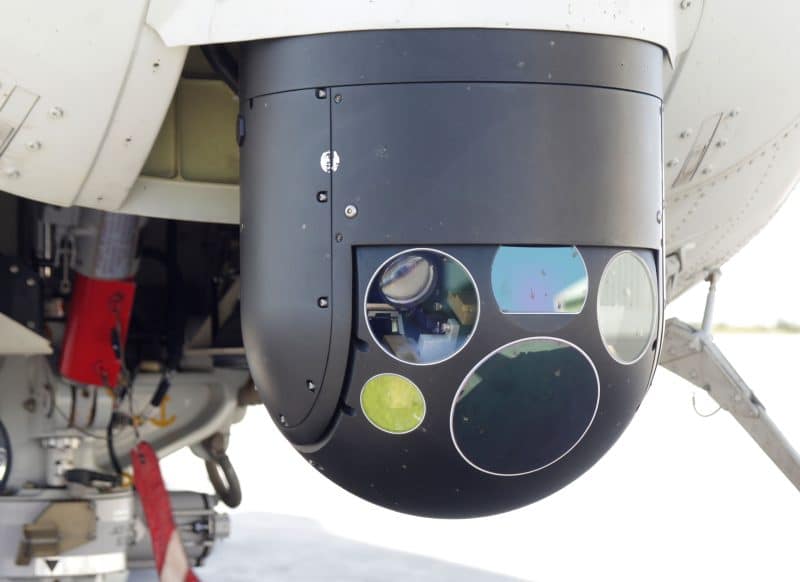
Aerospace & Defense
Optical access in applications requiring durability and environmental resistance.
03 – Materials
Why Use Sapphire Instead of Glass?
Although both materials are transparent, sapphire offers significant advantages in demanding environments.
Exceptional Hardness
One of the hardest engineering materials available, offering excellent scratch and wear resistance.
Optical Transparency
Excellent transmission across a broad range of wavelengths, making sapphire suitable for optical sensing and imaging applications.
Mechanical Strength
High resistance to pressure, impact, and demanding operating environments.
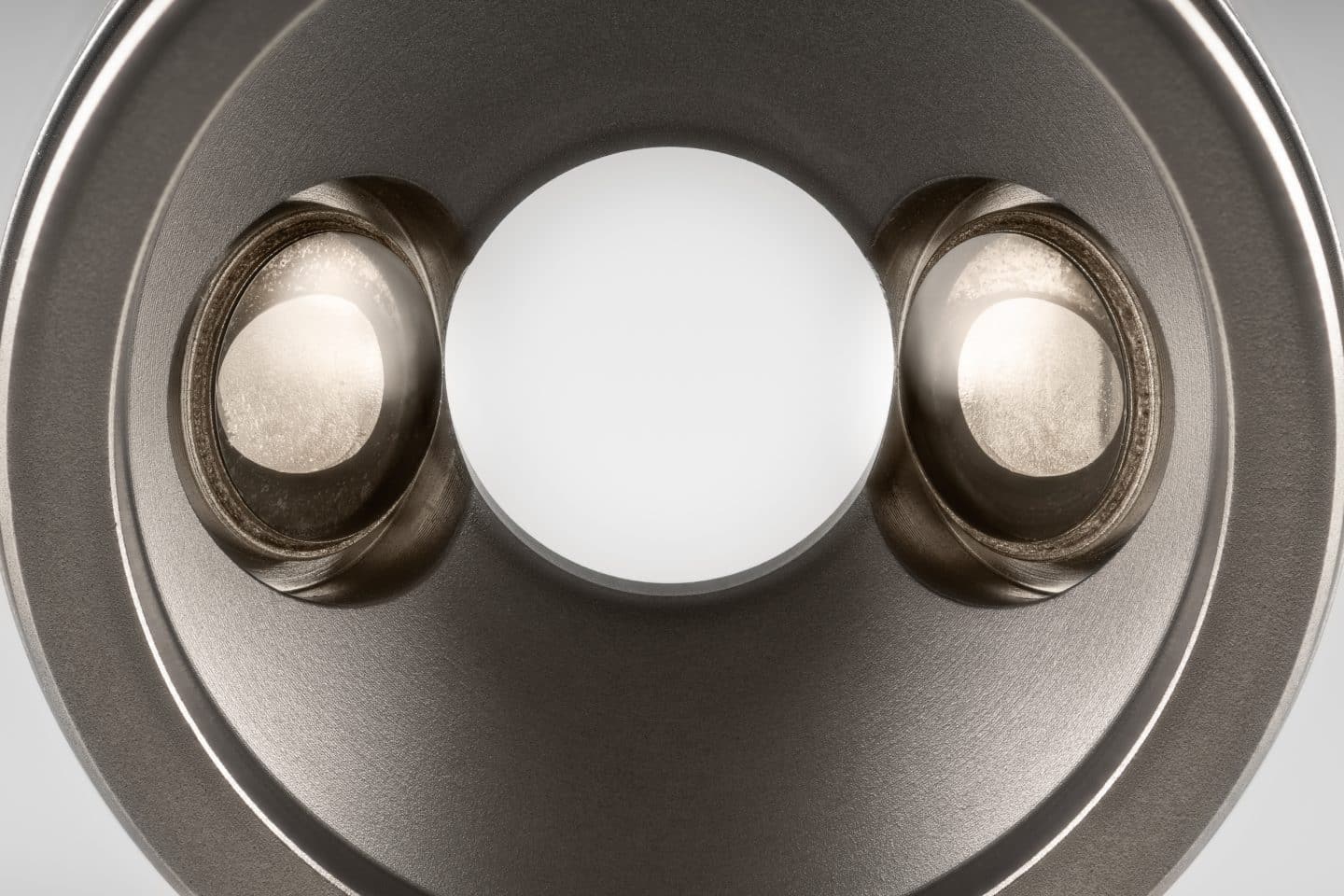
Thermal & Chemical Resistance
Excellent stability at elevated temperatures and resistance to aggressive chemicals.
Hermetic Sapphire-to-Metal Assemblies
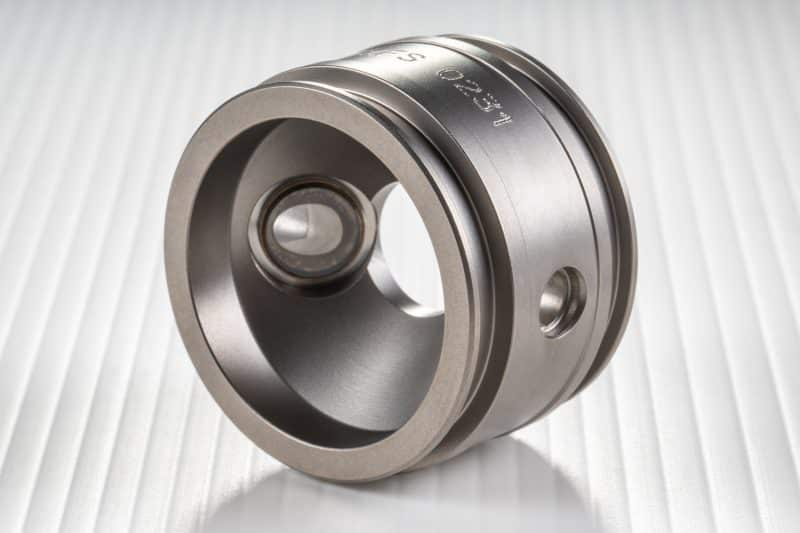
Through specialized sapphire-to-metal brazing technologies, SCT develops hermetic assemblies that provide optical access while maintaining long-term hermetic sealing in demanding operating environments.
04 – Co-development
Designed Around Your Application
Optical performance, geometry, brazing technologies, mechanical constraints, and integration with surrounding components all influence final design.
Leveraging its expertise in sapphire-to-metal brazing and hermetic assembly technologies, SCT works closely with customers to develop solutions that combine optical performance, manufacturability, and long-term reliability.
05 – Qualification
Qualification Based on Your Requirements
Inspection and qualification activities are established according to the performance requirements of each application.
Whether supplied as a standalone window or integrated into a hermetic assembly, sapphire components are inspected and qualified according to customer specifications and the intended operating environment.
06 – FAQ
Frequently Asked Questions
What is a sapphire window?
A sapphire window is an optical component manufactured from single-crystal alumina. It provides optical access while offering mechanical strength, thermal stability, and chemical resistance far beyond that of conventional optical glass.
Leveraging its expertise in sapphire-to-metal brazing, SCT develops custom sapphire windows and assemblies for applications where optical performance and long-term reliability are critical.
Why choose sapphire instead of glass?
Compared with conventional optical glass, sapphire offers exceptional hardness, superior scratch resistance, excellent thermal stability, and outstanding chemical resistance. It is therefore particularly well suited to demanding industrial, scientific, and medical environments.
SCT works closely with customers to develop sapphire solutions for applications where conventional optical materials reach their limits.
Why choose sapphire instead of another ceramic?
Unlike other technical ceramics, sapphire combines excellent optical transparency with exceptional mechanical strength, scratch resistance, and chemical stability.
This unique combination makes sapphire particularly well suited to applications requiring both optical access and long-term hermetic reliability.
SCT helps customers identify the most appropriate material while developing sapphire-to-metal assemblies tailored to the optical, mechanical, and environmental requirements of each application.
Can sapphire be hermetically sealed?
Yes.
Through specialized brazing technologies, sapphire windows can be integrated into hermetic assemblies while maintaining both their optical performance and mechanical integrity.
SCT develops sapphire-to-metal assemblies that provide reliable optical access while maintaining long-term hermetic sealing in demanding operating environments.
Which industries use sapphire windows?
Sapphire windows are used wherever optical performance must be combined with long-term reliability, including medical devices, analytical and scientific instrumentation, industrial equipment, aerospace & defense, and many other critical applications.
SCT develops custom sapphire solutions designed around the specific requirements of each operating environment.
What materials are available for optical assemblies?
Material selection depends on the optical, mechanical, thermal, and environmental requirements of the application.
Depending on the project, optical assemblies may combine sapphire with advanced ceramics and metallic components to achieve the desired performance.
Leveraging its expertise in materials engineering and ceramic-to-metal brazing, SCT works with customers to identify the most appropriate solution for each application.
07 – contact
Looking for a Custom Optical Assembly?
Whether you’re developing an optical sensor, scientific instrument, implantable medical device, or another high-reliability system, SCT develops custom sapphire windows and sapphire-to-metal assemblies tailored to your technical requirements.