
01 – Components
Ceramic Packaging Solutions for the Next Generation of Neurotechnology
Implantable neurotechnology is entering a new era. As therapies expand beyond traditional neuromodulation and brain-computer interfaces (BCIs) move from research to clinical reality, implantable systems are becoming smaller, smarter, and increasingly connected.
These advances place growing demands on implantable packaging technologies. Higher channel counts, greater miniaturization, wireless functionality, and long-term reliability all require new approaches to ceramic packaging and electrical interconnection.
SCT partners with established medical device manufacturers, research institutions, and emerging neurotechnology companies to co-develop customized ceramic-to-metal solutions that help bring the next generation of neurotechnology from concept to production.

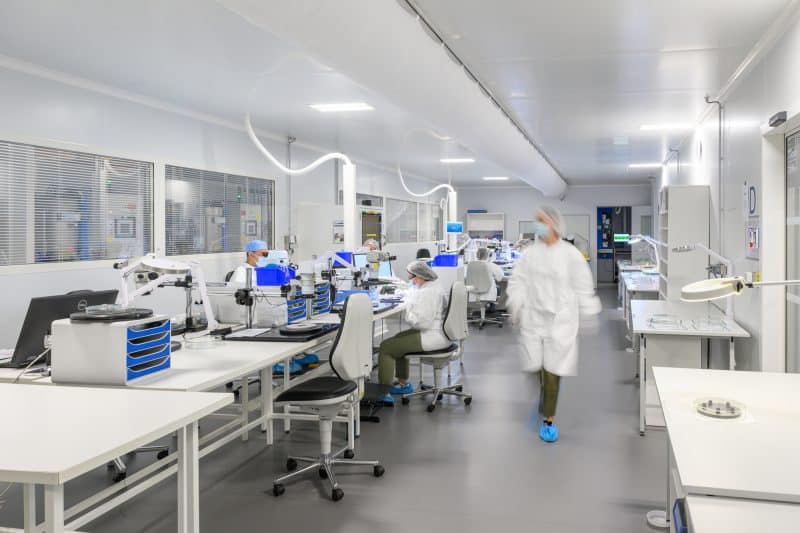
02 – Challenges
Challenges We Help Solve
Our ceramic packaging solutions help address the technical challenges associated with next-generation neurotechnology.
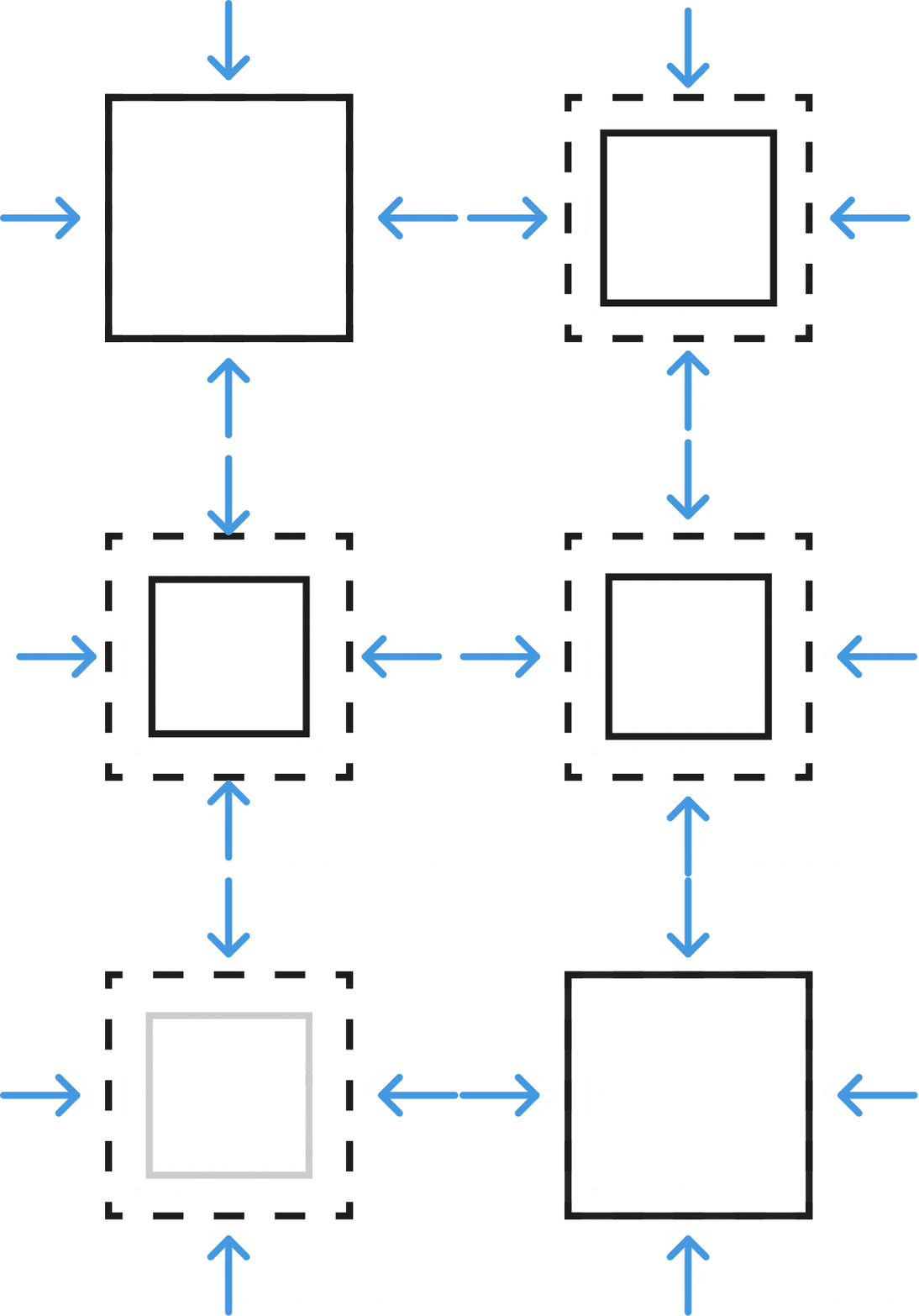
Miniaturization
Reducing implant size while integrating increasing levels of functionality.
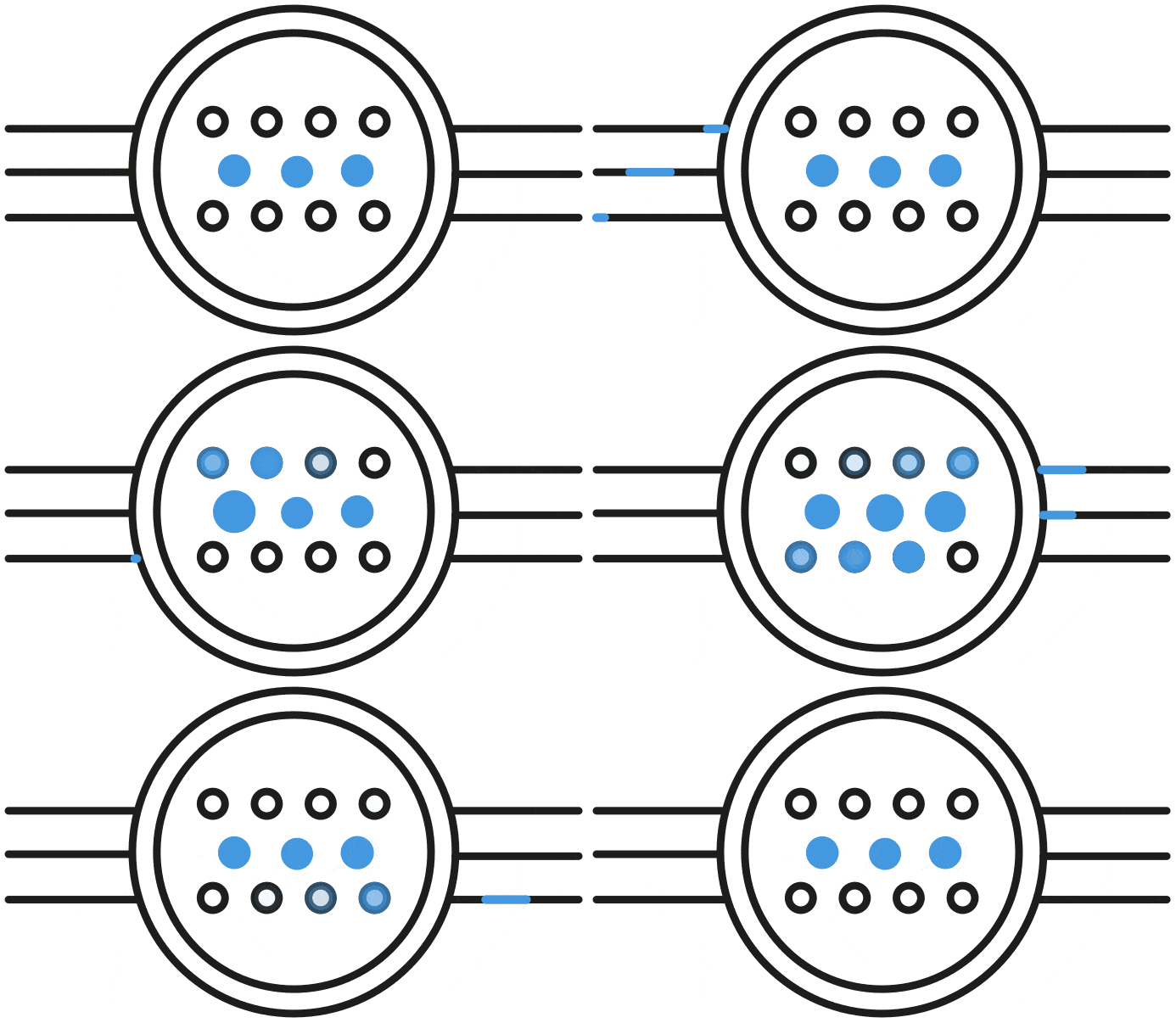
High-Density Interconnection
Supporting higher channel counts through increasingly compact feedthrough technologies.

Long-Term Hermeticity
Protecting sensitive electronics throughout the lifetime of the implant.

Wireless Communication
Packaging solutions compatible with RF communication and next-generation implant architectures.

Biocompatibility
Materials selected for long-term implantable medical applications.
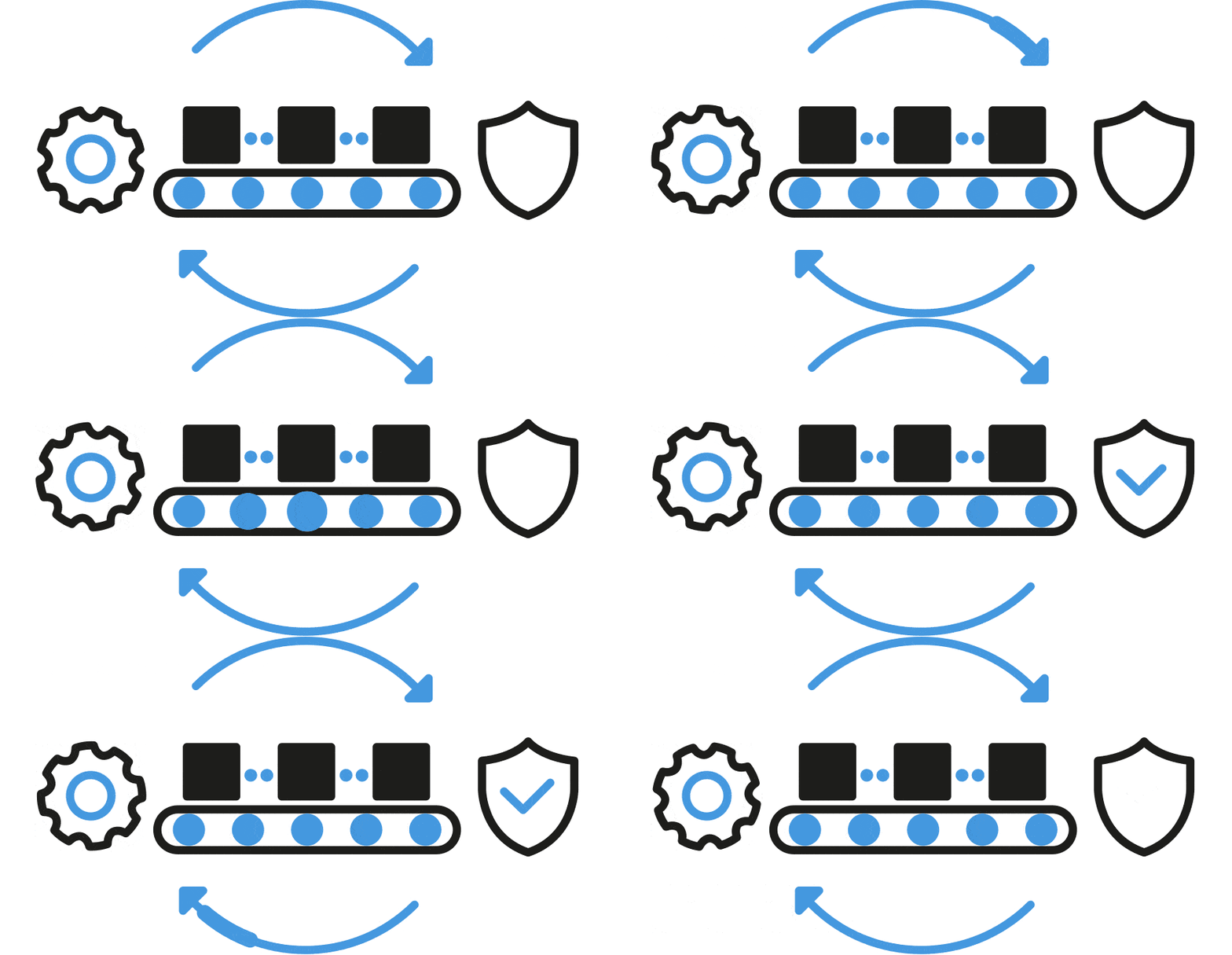
Scalability
Supporting the transition from early prototypes to industrial production.
03 – Applications
Applications
SCT supports manufacturers across a wide range of neurotechnology applications.
Deep Brain Stimulation (DBS)
Implantable systems for the treatment of movement disorders and neurological diseases.
Spinal Cord Stimulation (SCS)
Advanced implantable therapies for chronic pain management.
Peripheral Nerve Stimulation (PNS)
Miniaturized implantable devices targeting peripheral nerves.
Sacral Neuromodulation (SNM)
Implantable systems used to treat bladder and bowel dysfunction.
Brain-Computer Interfaces (BCIs)
High-density implantable interfaces designed to record and stimulate neural activity.
Closed-Loop Neuromodulation
Next-generation systems capable of sensing, interpreting, and adapting therapy in real time.
04 – Products
Typical Products We Develop
Every solution is co-developed according to the technical and clinical requirements of each implant platform.
01
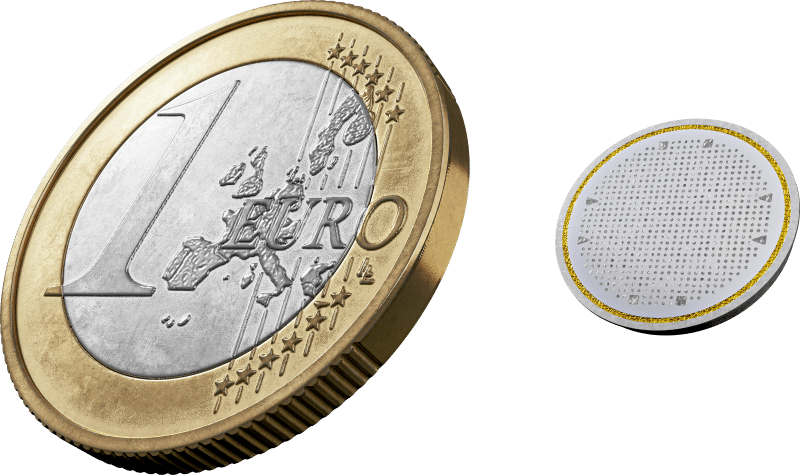
CerMet™ High-Density Feedthrough Technology
Supporting higher channel counts and increasingly compact implant architectures.
02
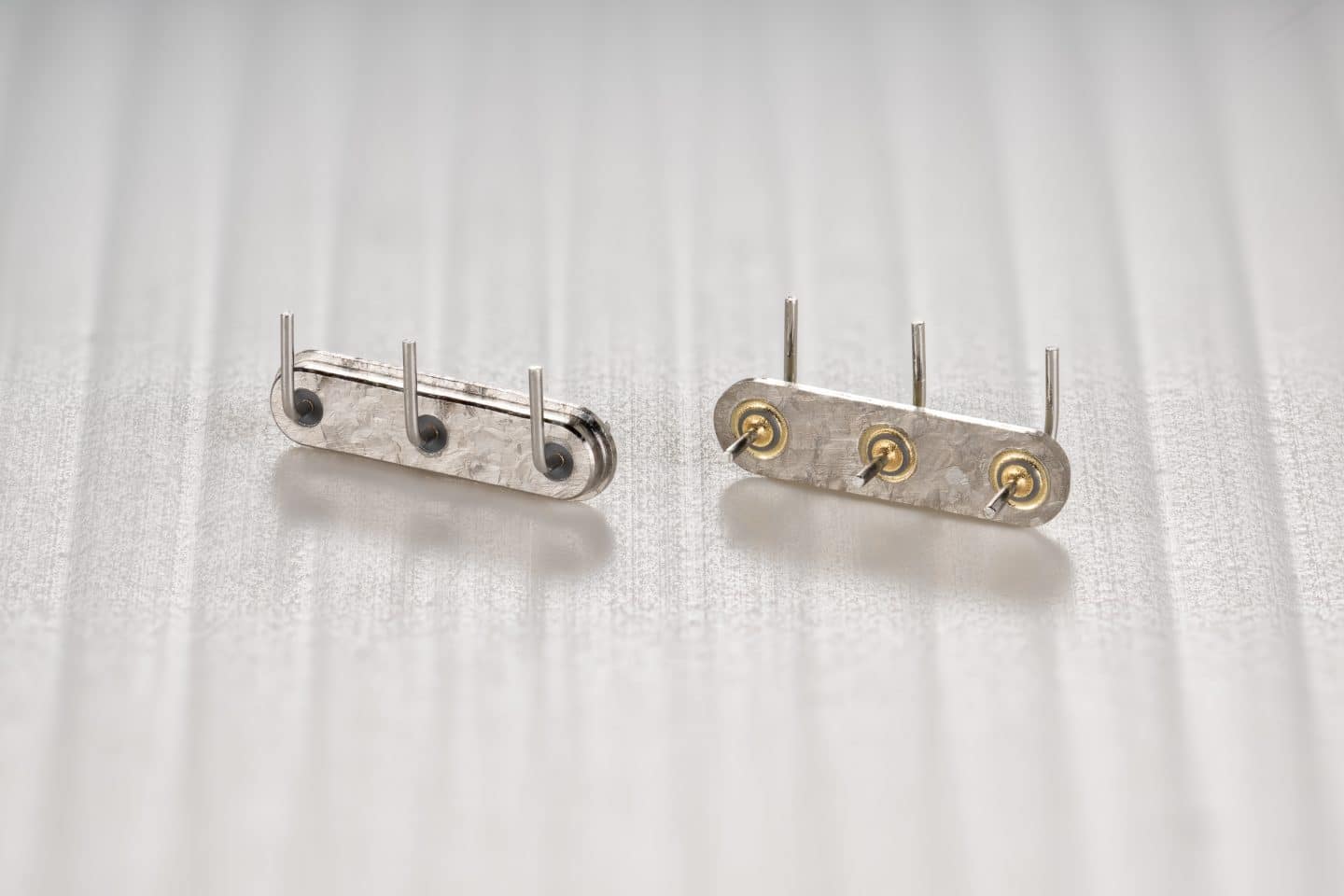
Hermetic Feedthroughs
Reliable electrical interconnections for implantable neurotechnology.
03
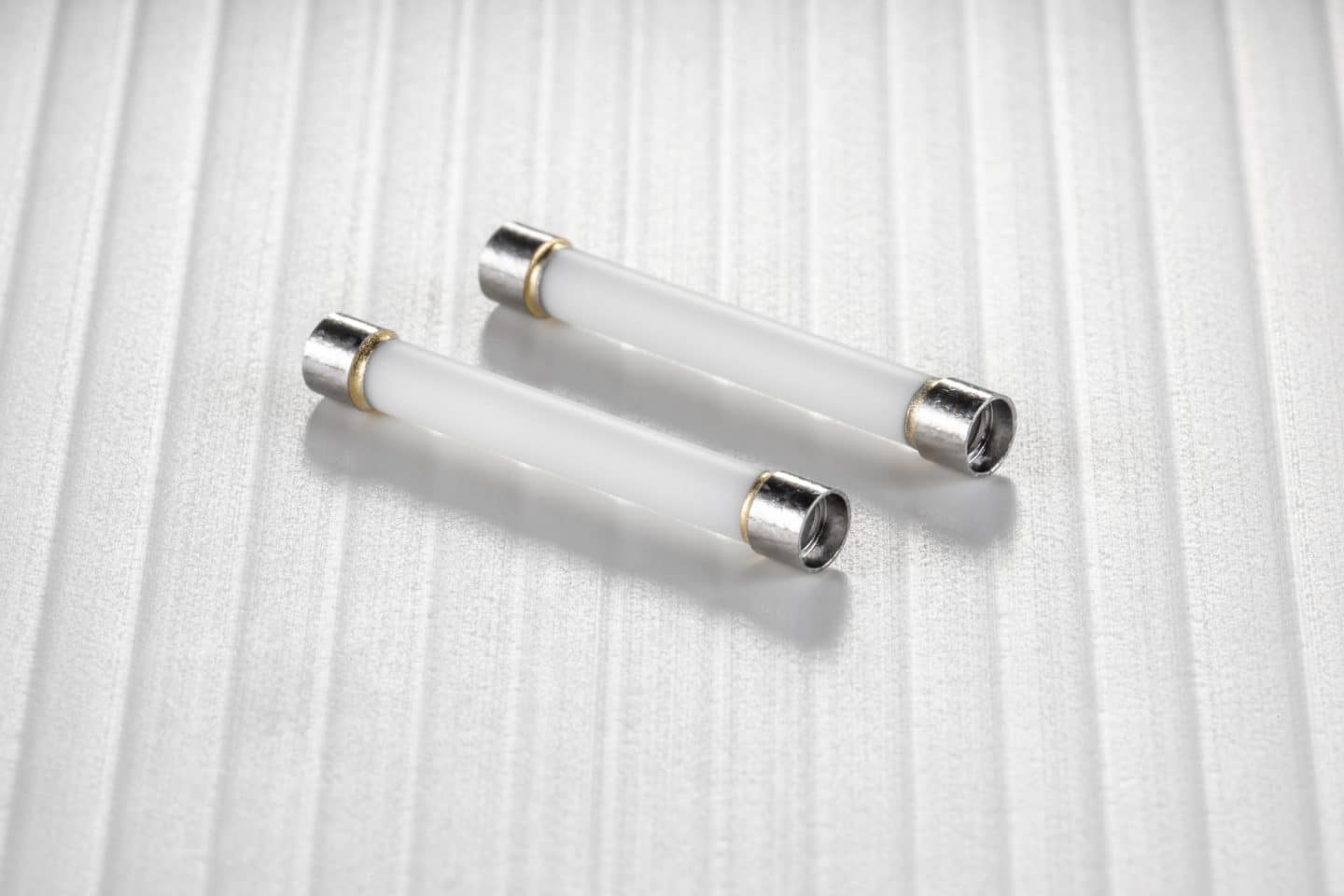
Ceramic Casings
Hermetic packaging solutions supporting miniaturization and wireless communication.
04
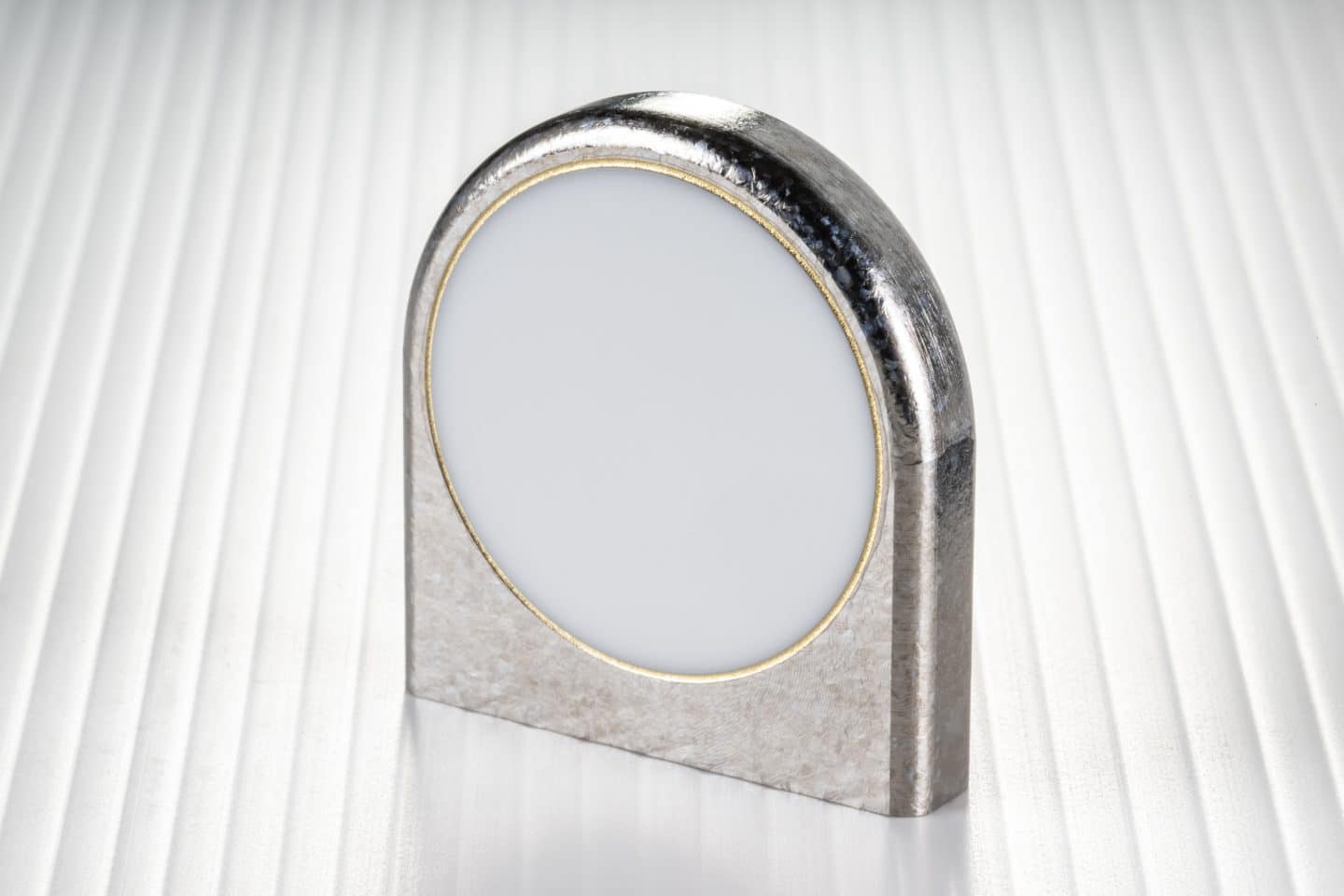
Customized Ceramic-to-Metal Assemblies
Engineered packaging solutions for next-generation implantable devices.
05 – expertises
Designed for Next-Generation Neurotechnolog
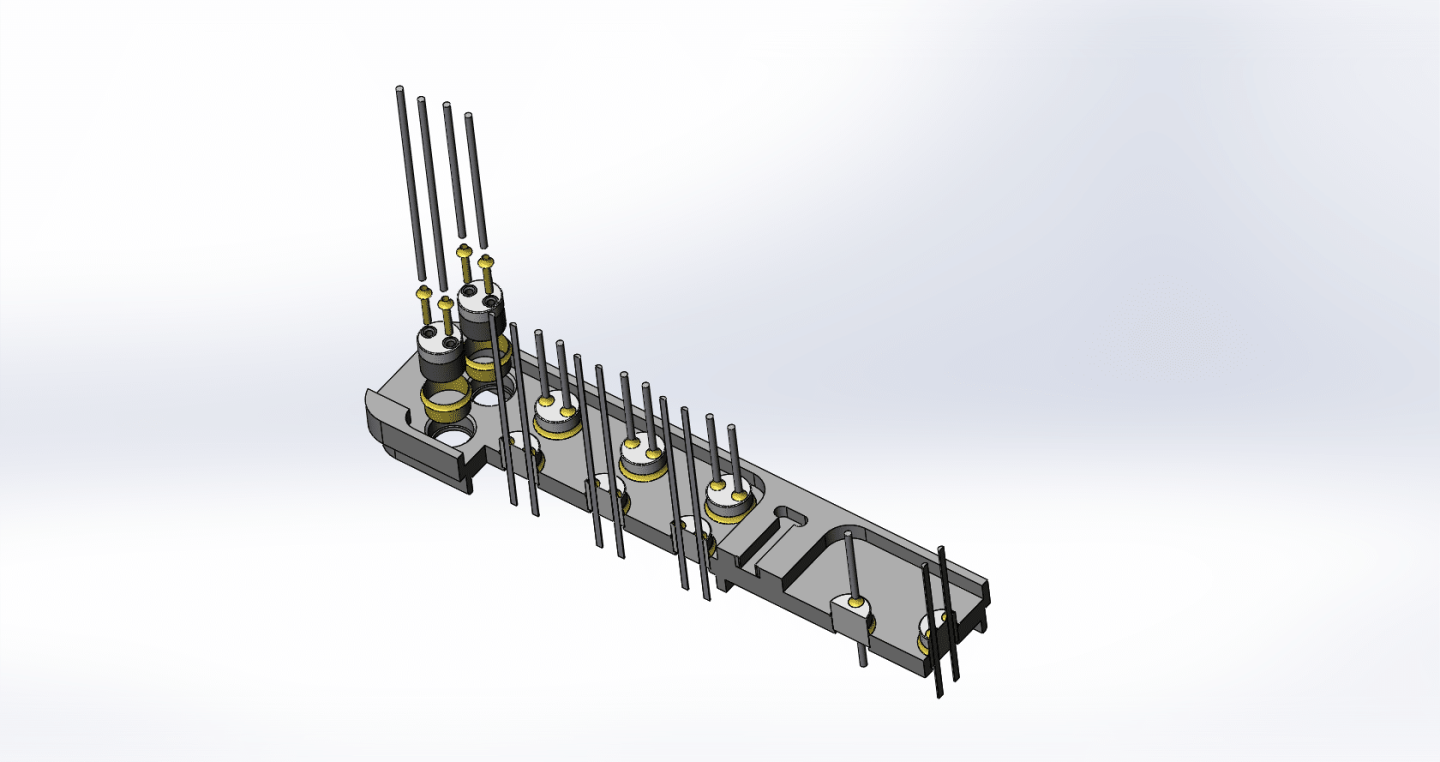
SCT’s Research & Innovation, engineering, and production teams work closely with customers to develop ceramic packaging technologies that support miniaturization, higher channel counts, and robust long-term implant performance. From early feasibility studies to industrial production, we help transform innovative concepts into manufacturable medical devices.
Our expertise includes:
- High-density interconnection technologies
- Miniaturized ceramic packaging
- Ceramic-to-metal brazing
- Design for Manufacturability (DFM)
- Co-development of next-generation neurotechnology
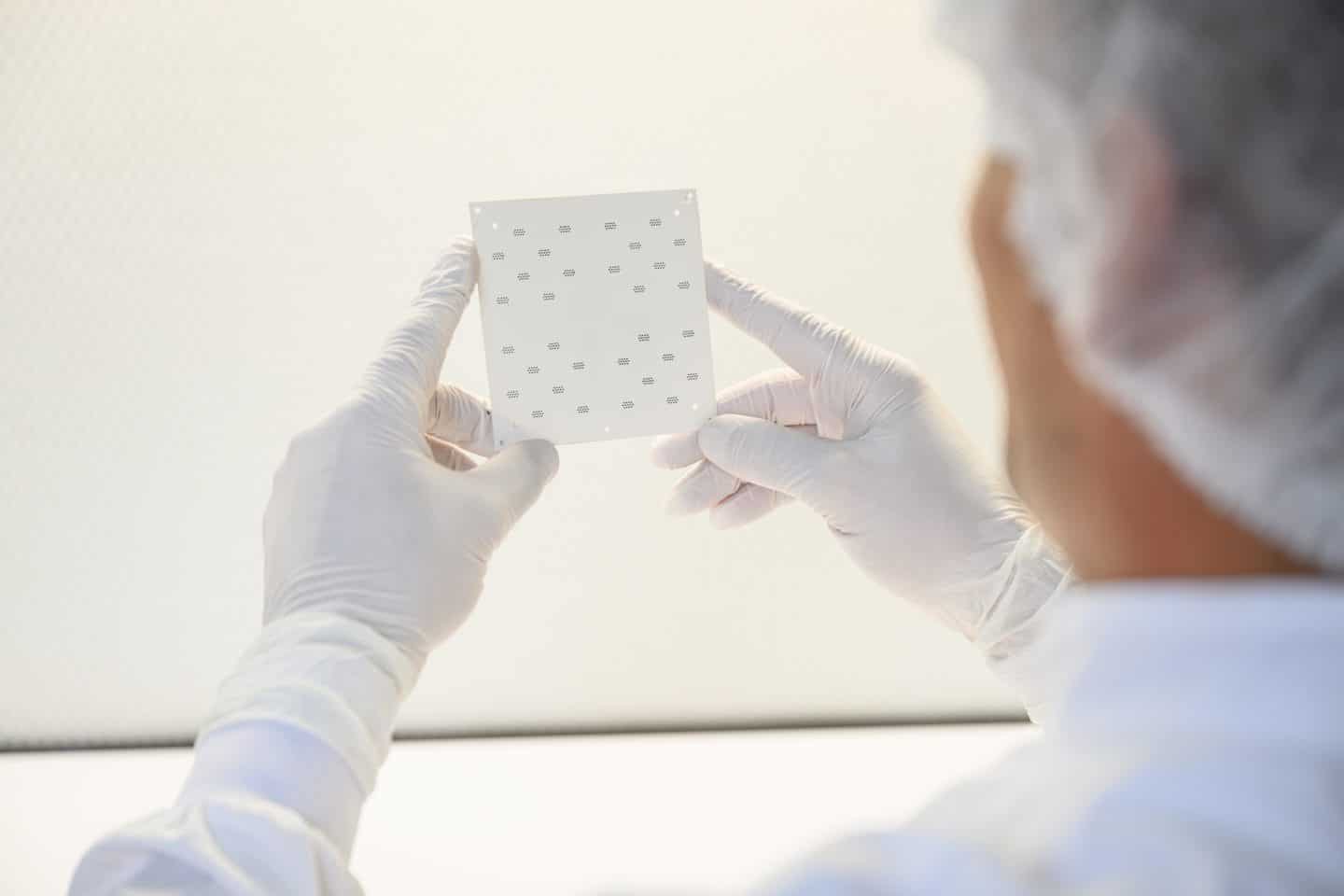
As an ISO 13485 certified company, SCT meets the quality, traceability, risk management, and process control requirements of the medical device industry.
Supporting Capabilities
From early-stage development to long-term production, SCT supports customers throughout the product lifecycle.
Research & Innovation
Developing advanced ceramic materials, packaging technologies, and manufacturing processes for future implantable neurotechnology.
Learn more
Product Development
Co-developing robust implantable solutions tailored to each neurotechnology application.
Learn more
Industrialization
Preparing products for reliable series production through Design for Manufacturability (DFM), process optimization, and production readiness.
Learn more
Materials
Selecting biocompatible ceramic, metal, and brazing technologies according to each application’s electrical, mechanical, and clinical requirements.
Learn more
Quality Assurance
Supporting each project according to its specific quality, inspection, documentation, and regulatory requirements.
Our quality approach is built around your requirements.
Learn more about Quality & Environment
06 – FAQ
Frequently Asked Questions
What is a Brain-Computer Interface (BCI)?
A Brain-Computer Interface (BCI) establishes a direct communication pathway between the brain and an external device by recording and/or stimulating neural activity. BCIs have the potential to restore movement, communication, and other neurological functions for patients with severe neurological conditions.
SCT works with companies developing next-generation BCI technologies by providing customized ceramic packaging solutions capable of supporting increasingly complex implant architectures.
Why are higher channel counts important?
Increasing the number of channels allows implantable devices to interact with more neurons simultaneously, enabling more precise stimulation, richer neural recording, and improved therapeutic performance.
SCT’s CerMet technology was developed to support the growing demand for higher-density electrical interconnections within increasingly compact implantable devices.
Why is miniaturization important in neurotechnology?
Smaller implants can improve patient comfort, simplify implantation procedures, and enable new therapeutic possibilities. As implants become more compact, packaging and electrical interconnection technologies become increasingly critical.
SCT develops miniaturized ceramic packaging solutions that help customers reduce implant size while maintaining manufacturability, hermeticity, and long-term reliability.
Can SCT support products beyond early development?
Yes. Bringing an implantable medical device to market requires more than an innovative concept—it requires a manufacturing partner capable of supporting qualification, industrialization, regulatory expectations, and long-term production.
SCT supports customers throughout the product lifecycle, helping transform promising neurotechnology into robust, manufacturable medical products.
07 – contact
Developing the Next Generation of Neurotechnology?
Whether you’re developing a spinal cord stimulator, a brain-computer interface, or another implantable neurotechnology, SCT can help transform your technical requirements into robust ceramic packaging solutions designed for the future of implantable medicine.
How does SCT support neurotechnology startups?
Many emerging neurotechnology companies are developing novel implant concepts that require rapid iteration before commercialization.
SCT partners with innovators from the earliest stages of development, combining Research & Innovation, engineering, industrialization, and manufacturing expertise to help transform prototypes into scalable medical devices.