
01 – Components
Integrated Ceramic Packaging for Implantable Hearing Devices
Cochlear implants have transformed the treatment of severe hearing loss and continue to evolve toward smaller, more connected, and increasingly sophisticated implantable systems.
As manufacturers develop next-generation hearing technologies, ceramic packaging plays an increasingly important role by combining long-term hermeticity, miniaturization, wireless functionality, and mechanical reliability.
SCT partners with leading hearing implant manufacturers to develop integrated ceramic packaging solutions, combining ceramic casings and hermetic feedthroughs to support the next generation of implantable hearing devices.
02 – Technical challenges
Challenges We Help Solve
Implantable hearing devices require packaging solutions capable of protecting sensitive electronics while supporting wireless communication, miniaturization, and long-term implant reliability.

Long-Term Hermeticity
Protecting implant electronics from body fluids throughout the lifetime of the device.

Miniaturization
Supporting increasingly compact implant architectures without compromising reliability.

Wireless Communication & Power Transfer
Ceramic materials enable RF data transmission and inductive power transfer for increasingly connected implantable systems.

Biocompatibility
Materials selected for long-term implantable medical applications.

Mechanical Reliability
Robust ceramic-to-metal assemblies designed for long-term daily use.

Fully Implantable Systems
Packaging technologies supporting the next generation of fully implantable hearing devices.
02 – Applications
Applications
SCT supports manufacturers developing a wide range of implantable hearing devices.

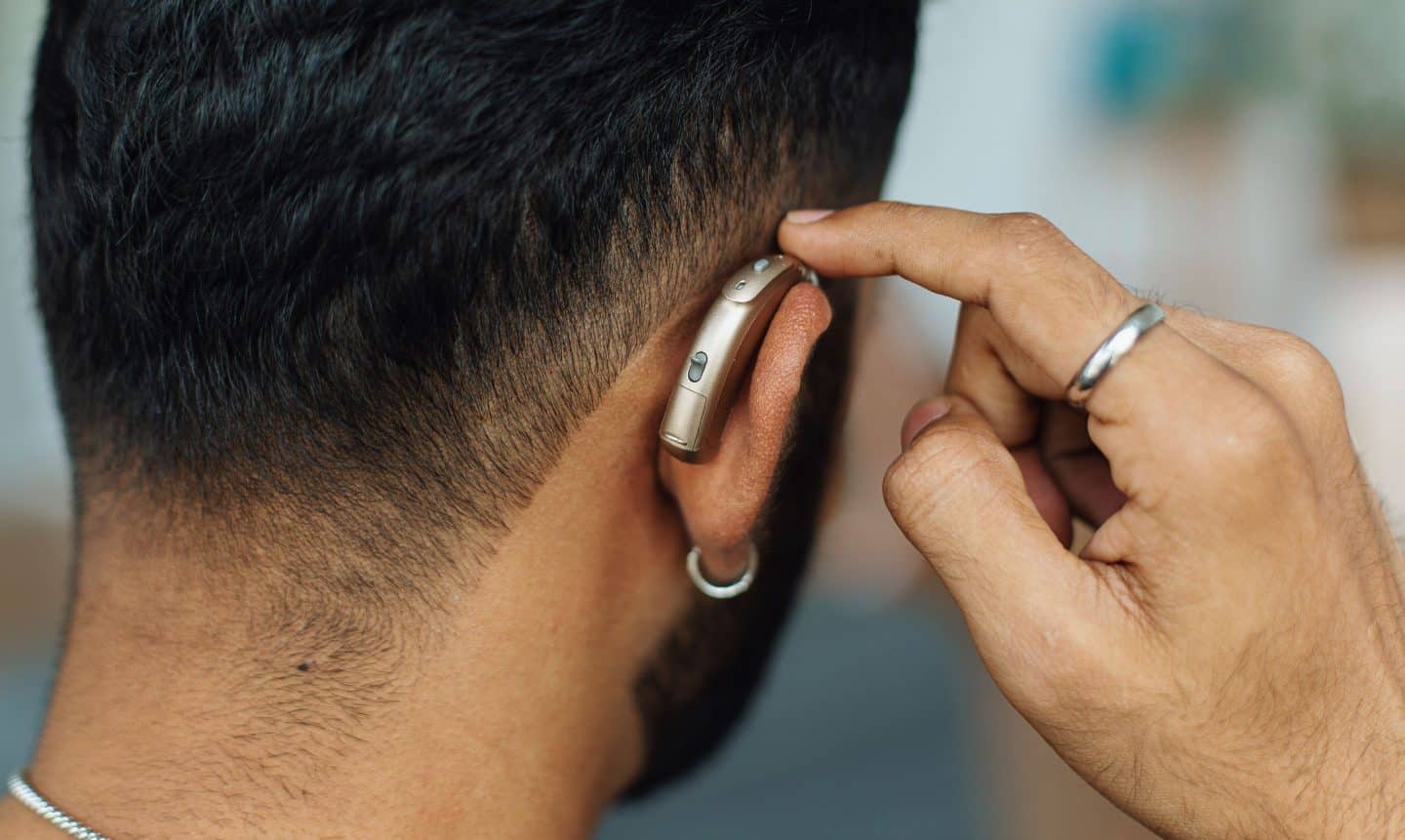
Cochlear Implants
Integrated ceramic packaging solutions for cochlear implants, including partially and fully implantable systems.
Next-Generation Hearing Technologies
Advanced packaging solutions compatible with wireless communication, inductive charging, and next-generation implantable architectures.
02 – Products
Products We Develop
SCT develops complete ceramic packaging solutions tailored to the technical requirements of each implant platform.

01
Ceramic Casings
Hermetic ceramic enclosures supporting miniaturization, RF transparency, and long-term implant reliability.
02
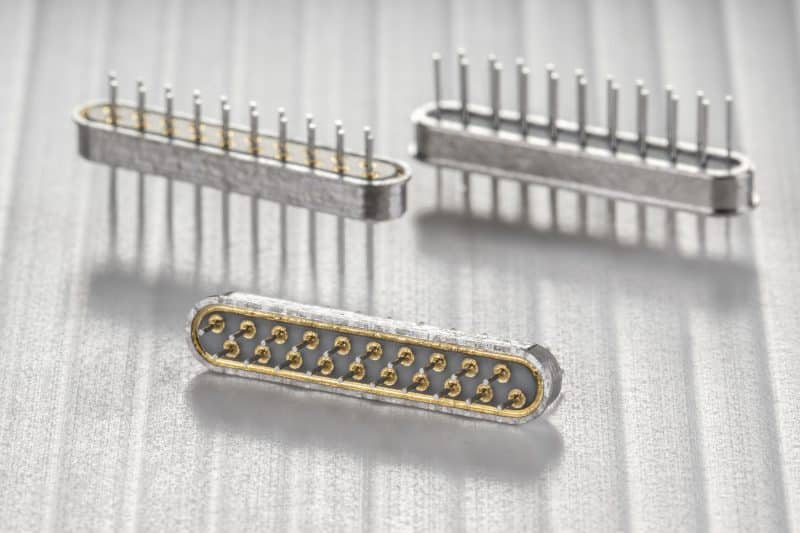
Hermetic Feedthroughs
Reliable electrical interfaces connecting internal electronics while maintaining hermeticity.
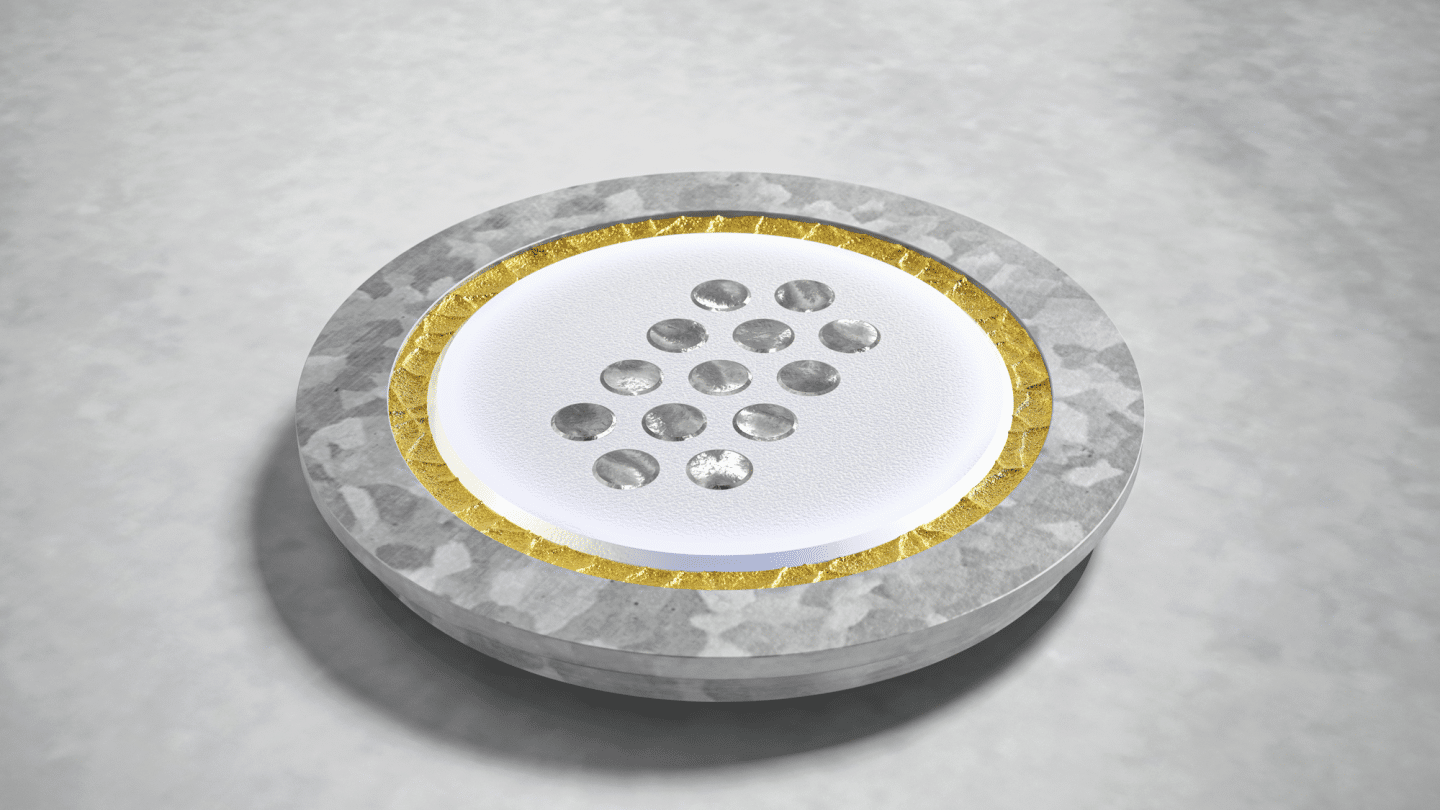
03
CerMet Miniaturized Feedthrough Technology
Advanced interconnection technology supporting increasingly compact implant architectures.
03 – expertises
Integrated Ceramic Packaging
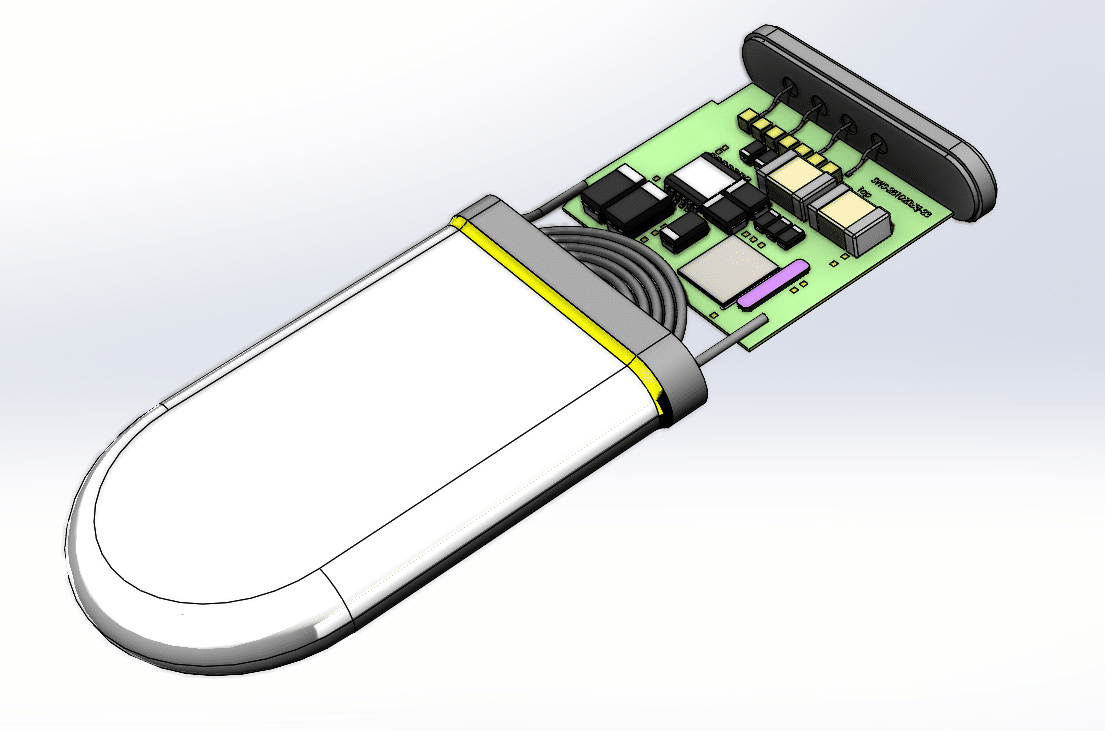
Ceramic casings and hermetic feedthroughs work together to create a complete implantable packaging solution.
By developing both components as an integrated system, SCT helps ensure precise alignment, optimized hermetic sealing, and simplified device integration. Working with a single manufacturing partner also helps reduce development risk while improving the overall robustness of the final implant.
As hearing technologies continue to evolve toward fully implantable systems, ceramic packaging becomes increasingly important for supporting miniaturization, RF data transmission, inductive power transfer, and long-term reliability.
Our expertise includes :
- Ceramic casings
- Hermetic feedthroughs
- Integrated packaging solutions
- Ceramic-to-metal brazing
- Co-development of next-generation hearing technologies
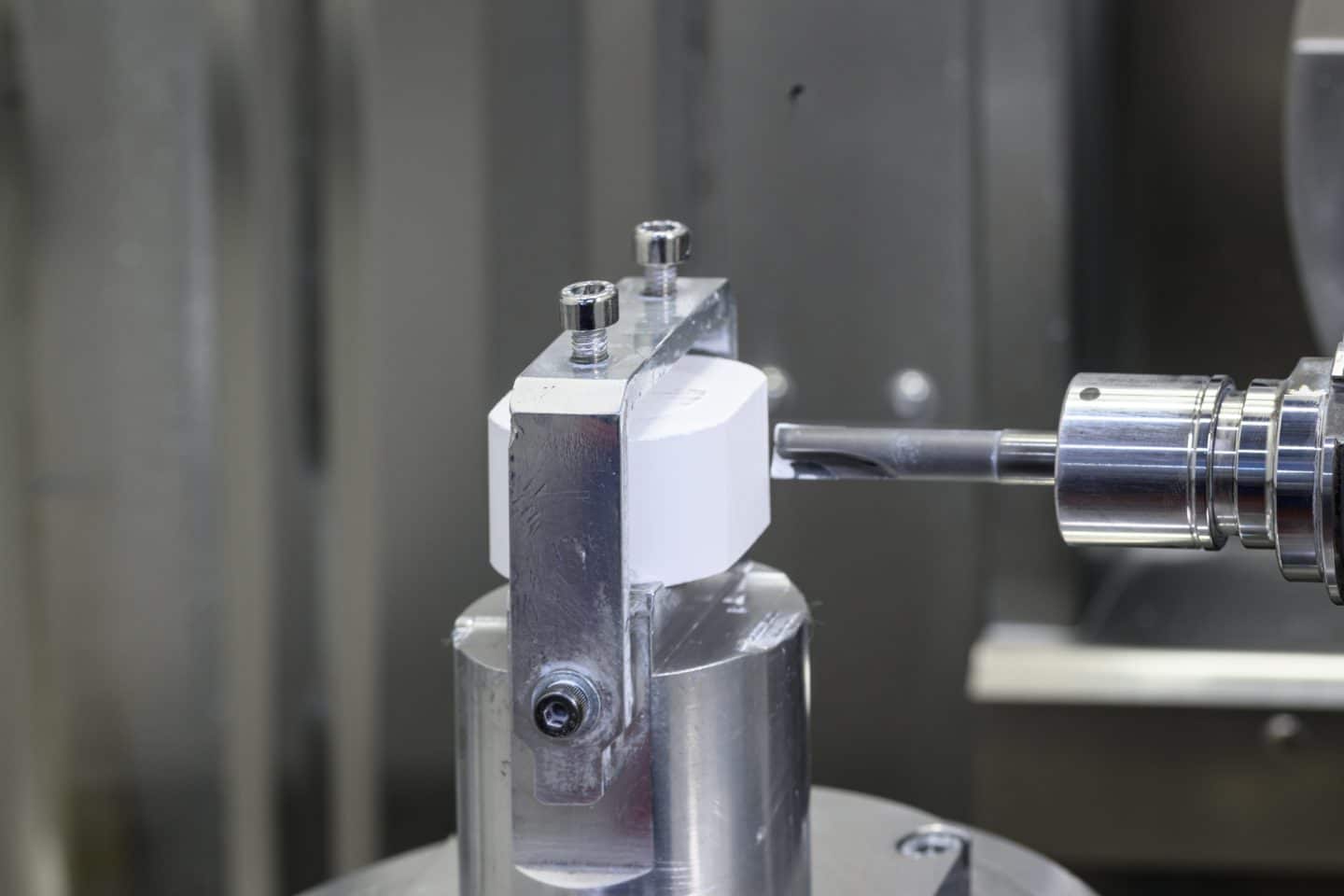
As an ISO 13485 certified company, SCT meets the quality, traceability, risk management, and process control requirements of the medical device industry.
Supporting Capabilities
From early-stage development to long-term production, SCT supports customers throughout the product lifecycle.
Research & Innovation
Developing advanced ceramic materials and packaging technologies for future implantable hearing devices.
Learn more
Product Development
Co-developing robust implantable packaging solutions tailored to each hearing device.
Learn more
Industrialization
Preparing products for reliable series production while meeting demanding medical quality requirements.
Learn more
Materials
Selecting biocompatible ceramic, metal, and brazing technologies for long-term implantable applications.
Learn more
Quality Assurance
Supporting each project according to its specific quality, inspection, documentation, and regulatory requirements.
Our quality approach is built around your requirements.
Learn more about Quality & Environment
06 – FAQ
Frequently Asked Questions
Why are ceramic casings used in cochlear and hearing implants?
Ceramic casings provide long-term hermeticity while remaining biocompatible and transparent to radio-frequency (RF) signals. Unlike metallic housings, ceramics allow wireless communication without compromising the protection of the implant’s sensitive electronics.
SCT develops customized ceramic casings that combine hermeticity, miniaturization, and RF performance to support the next generation of implantable hearing devices.
Why combine the ceramic casing and hermetic feedthrough?
The ceramic casing and hermetic feedthrough form a single packaging system. Developing both components together helps ensure precise alignment, optimized hermetic sealing, and improved mechanical integration.
By designing and manufacturing both the ceramic casing and the feedthrough, SCT simplifies integration, reduces development risks, and helps optimize the overall performance of the implant.
What is inductive power transfer?
Inductive power transfer allows energy to be transmitted wirelessly between an external device and an implanted system using electromagnetic fields. This technology is becoming increasingly important as manufacturers develop smaller and more sophisticated implantable hearing devices.
SCT develops ceramic packaging solutions that support inductive power transfer while protecting sensitive electronics through robust hermetic sealing.
Why is hermeticity so important for implantable hearing devices?
Implantable electronics must remain protected from body fluids throughout the lifetime of the device. Even microscopic leaks can compromise the performance and reliability of sensitive electronic components.
SCT has decades of experience developing hermetic ceramic-to-metal assemblies that help manufacturers achieve the long-term reliability expected from implantable medical devices.
How does ceramic packaging support miniaturization?
As hearing implants become smaller, engineers must integrate more functionality into increasingly compact devices while maintaining reliability and wireless performance.
SCT works closely with customers to co-develop compact ceramic casings and hermetic feedthroughs that support miniaturization without compromising manufacturability or long-term performance.
06 – contact
Looking for Other Active Implantable Medical Devices?
SCT also develops ceramic-to-metal solutions for:
- Cardiac Rhythm Management
- Neurostimulation & Brain-Computer Interfaces
- Other Active Implantable Medical Devices
Developing the Next Generation of Hearing Implants?
Whether you’re developing a cochlear implant, a middle ear implant, or another implantable hearing technology, SCT can help transform your technical requirements into robust, integrated ceramic packaging solutions.
How do ceramics support wireless communication?
Modern hearing implants rely on wireless communication to exchange data with external devices and clinicians. Ceramic materials are naturally transparent to radio-frequency (RF) signals, allowing reliable data transmission without sacrificing mechanical strength or hermeticity.
SCT develops ceramic packaging solutions that support RF transparency while maintaining the long-term reliability required for implantable medical devices.