
01 – Components
Ceramic-to-Metal Solutions for High-Voltage Imaging Systems
Medical and industrial imaging systems rely on high-voltage X-ray technology to deliver the precision and performance required for diagnostics, inspection and non-destructive testing.
At the heart of these systems are X-ray tubes, where electrons are accelerated under high voltage in a controlled vacuum environment. SCT designs and manufactures ceramic-to-metal brazed assemblies providing the electrical insulation, vacuum integrity and long-term reliability required for these demanding applications.
For decades, our ceramic-to-metal brazing expertise has supported manufacturers of X-ray tubes and imaging equipment worldwide.
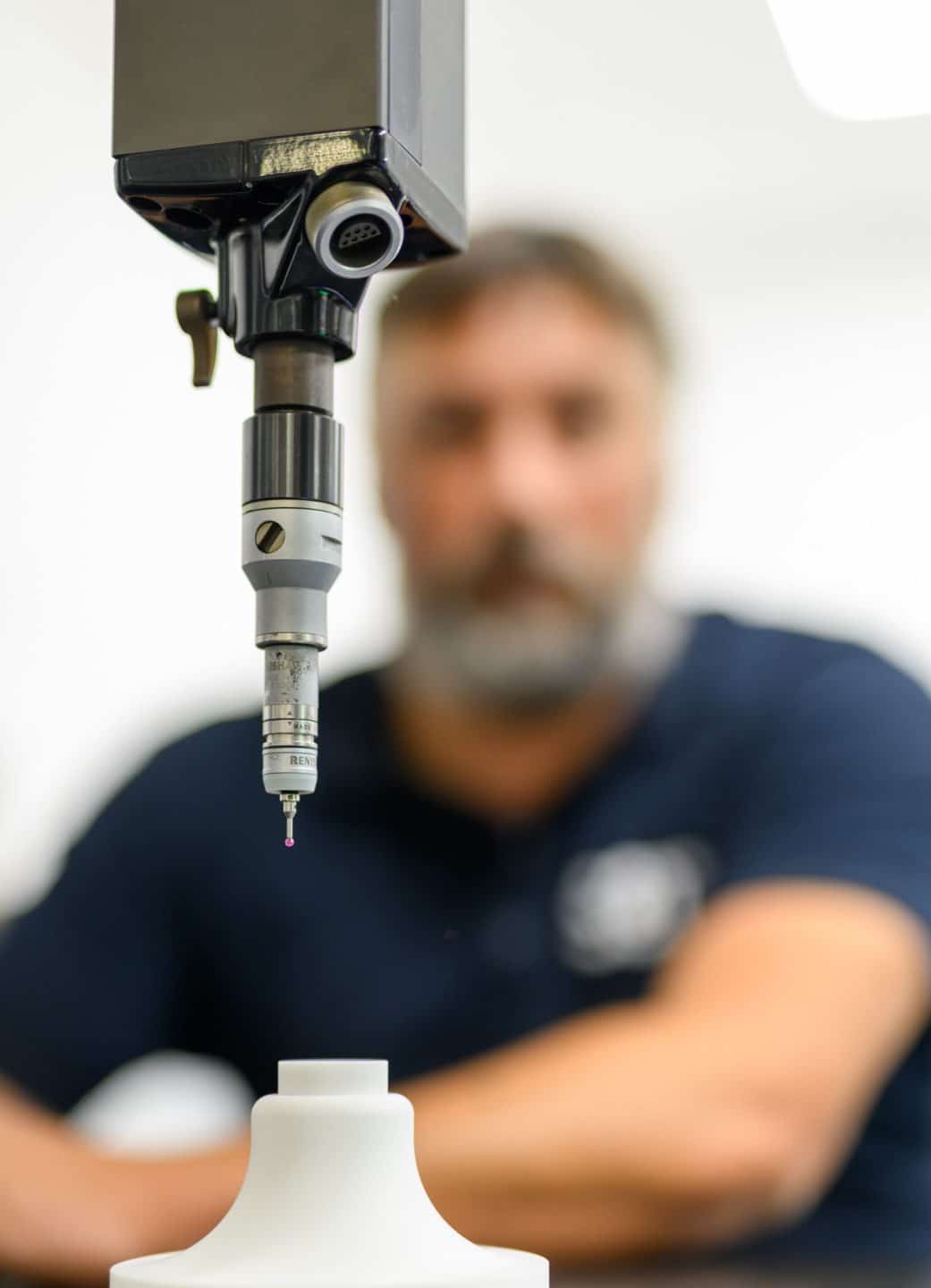
02 – Applications
Applications
SCT supplies custom ceramic-to-metal assemblies for X-ray tubes and high-voltage imaging equipment across medical and industrial applications.
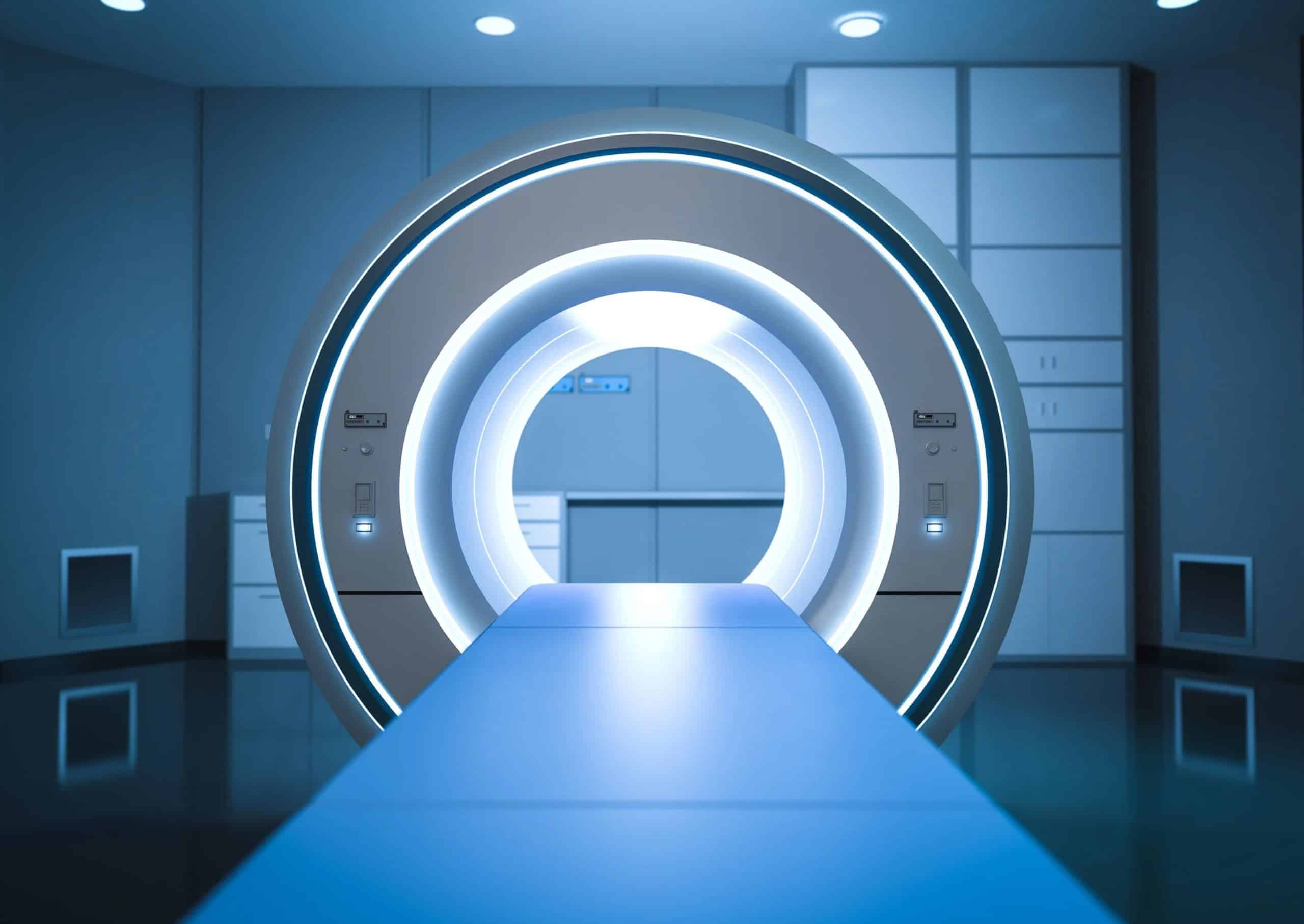
Computed Tomography (CT)
High-voltage ceramic-to-metal components for X-ray tubes used in computed tomography systems.
Industrial X-Ray & Non-Destructive Testing (NDT)
High-voltage ceramic-to-metal components for inspection systems used across aerospace, automotive, energy and manufacturing.
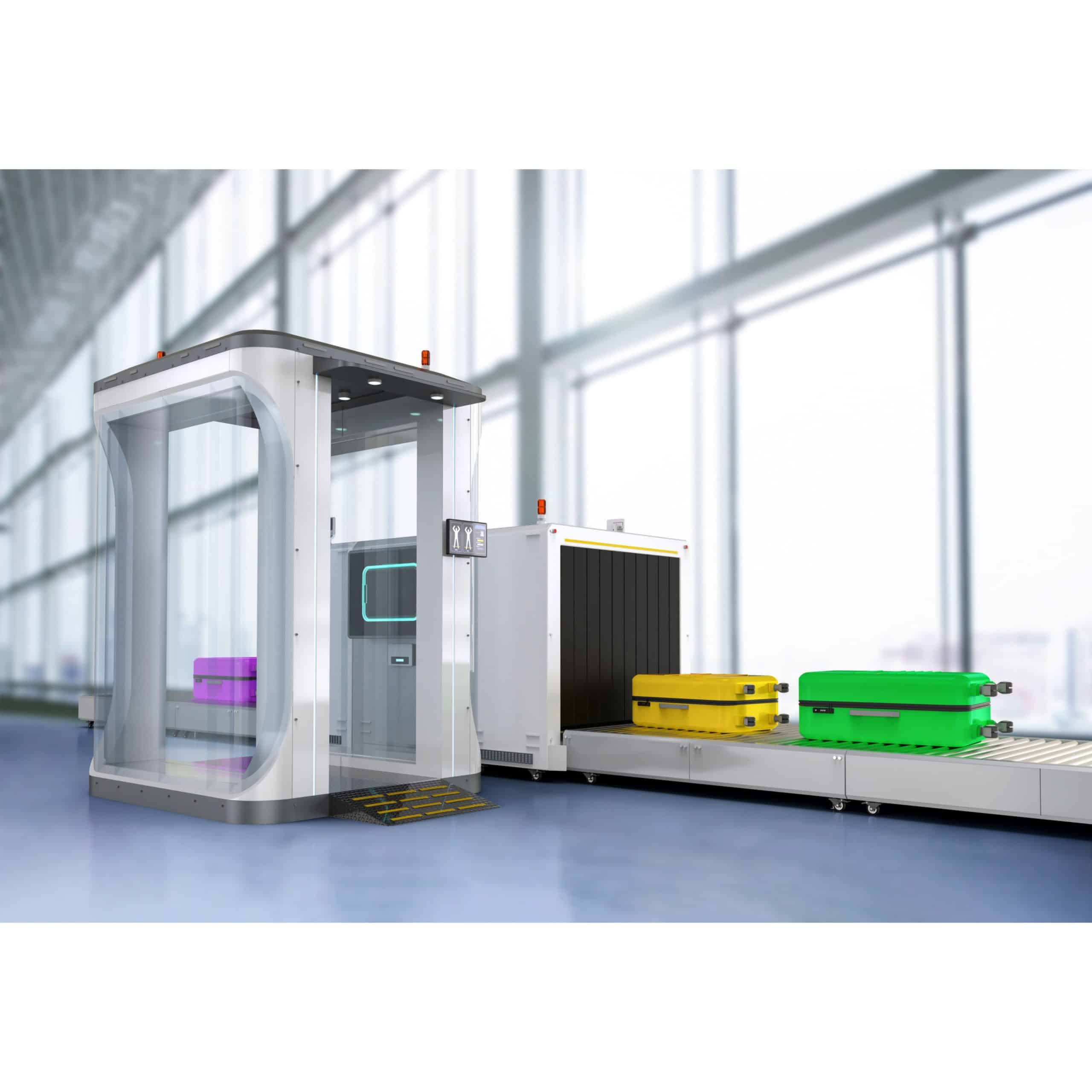
Security Screening
High-voltage ceramic-to-metal components for X-ray baggage inspection and security screening systems.

X-Ray Tube Manufacturers
Custom ceramic-to-metal assemblies developed and manufactured for X-ray tube applications.
03 – Products
Typical Products & Solutions
Every solution is engineered according to the electrical, mechanical, vacuum and environmental requirements of the application.

01
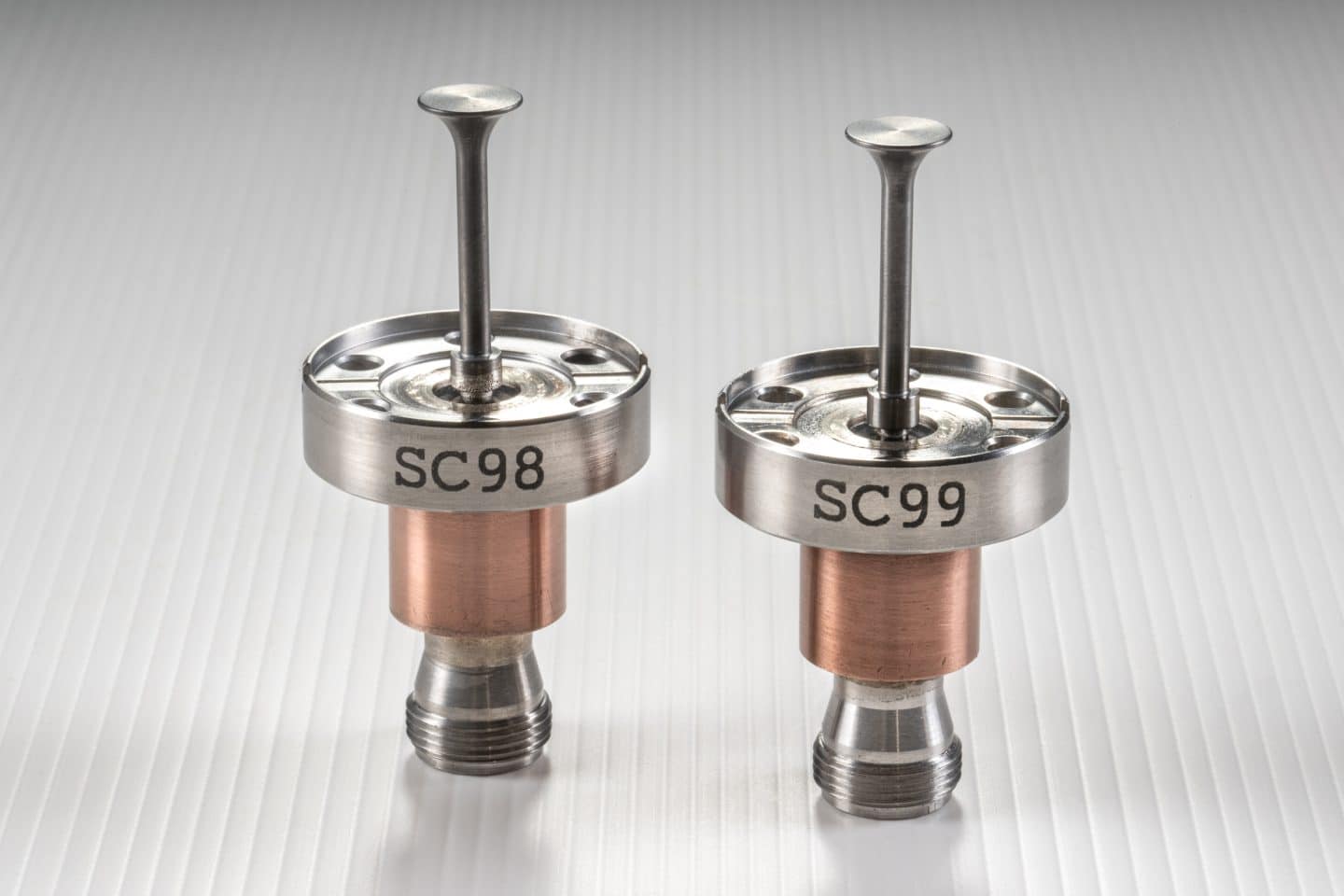
High-Voltage Ceramic Insulators
Ceramic-to-metal insulating assemblies for X-ray tubes and high-voltage imaging systems.
02
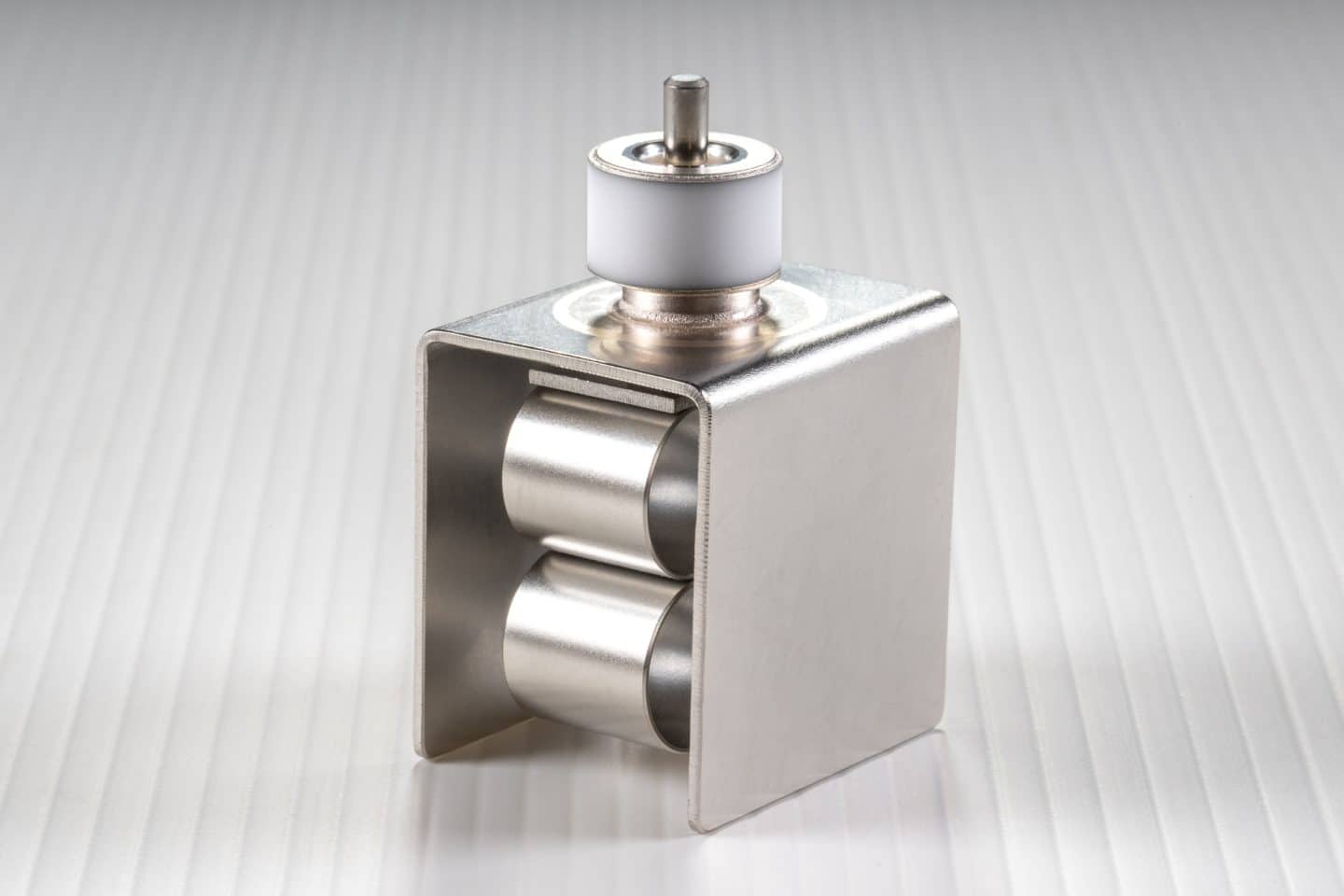
Hermetic Feedthroughs
Reliable electrical interfaces designed to maintain vacuum integrity in demanding environments.
03
Ceramic-to-Metal Assemblies
Custom brazed assemblies engineered for high-voltage and vacuum performance.
04 – challenges
Challenges We Help Solve
X-ray generation combines high electrical potential with demanding vacuum and thermal conditions. Reliable ceramic-to-metal assemblies require careful control of materials, interfaces, geometry and manufacturing processes.
High Voltage
Reliable electrical insulation for demanding X-ray tube applications (160kV and higher)
Vacuum Integrity
Hermetic ceramic-to-metal assemblies designed to maintain stable vacuum performance over the service life of the equipment.

Arcing Resistance
Material, geometry and surface control designed to support reliable performance under high electrical fields.

Cleanliness
Controlled manufacturing, inspection and handling processes for vacuum-sensitive and high-voltage applications.

Thermal Stability
Reliable performance under repeated thermal cycling and demanding operating conditions.

Long-Term Reliability
Components engineered for medical and industrial systems required to operate reliably over many years.
05 – expertises
Built for High-Voltage Imaging
Designing ceramic-to-metal components for X-ray tubes requires expertise that extends beyond ceramic manufacturing.
High voltage, vacuum integrity, thermal cycling, material compatibility, dimensional control and long-term reliability must all be considered throughout component design and manufacturing.
SCT’s engineering, R&D and production teams work together to develop robust ceramic-to-metal solutions, optimize designs for manufacturing and support reliable series production.
Our expertise includes:
- High-voltage ceramic-to-metal codevelopment
- Technical ceramic production (shaping, green machining, sintering, griding, etc.)
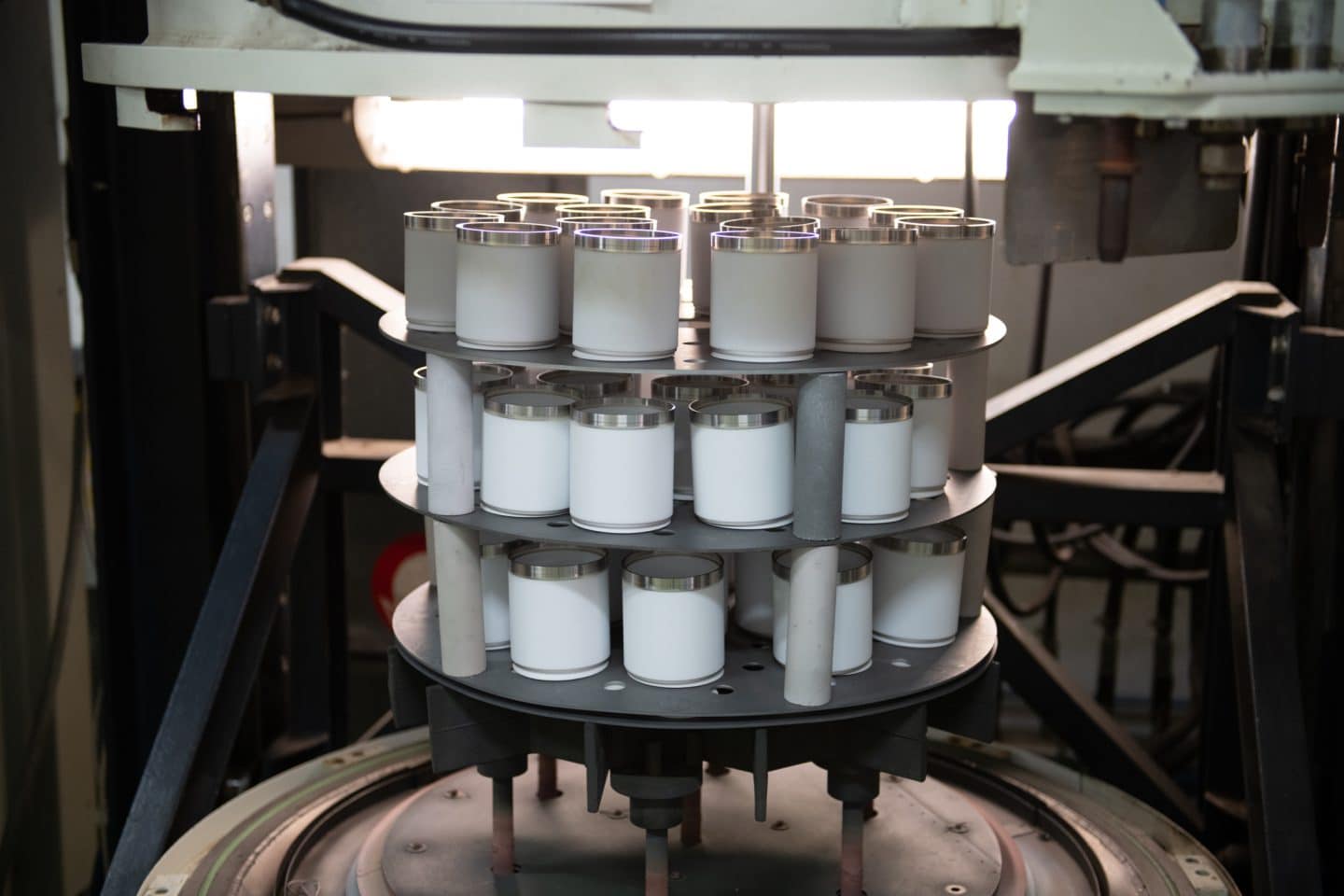
- Ceramic metallization and brazing
- Vacuum-compatible assemblies
- Dimensional control
- Technical troubleshooting and design optimization
- Series production
Supporting Capabilities
From initial design through long-term series production, SCT supports customers throughout the product lifecycle.
Research & Innovation
Developing ceramic-to-metal technologies and manufacturing processes for demanding high-voltage and vacuum applications.
Learn more
Product Development
Co-developing robust, manufacturable ceramic-to-metal solutions tailored to each application.
Learn more
Industrialization
Preparing products for reliable series production through Design for Manufacturability (DFM), process optimization, tooling and production readiness.
Learn more
Materials & Brazing Expertise
Selecting ceramic, metal and brazing alloy combinations according to the electrical, thermal, mechanical and vacuum requirements of each application.
Learn more
Quality Assurance
Supporting each project according to its specific quality, inspection, documentation and traceability requirements.
Learn more about Quality & Environment
06 – FAQ
Frequently asked questions
Why are ceramics used in X-ray tubes?
X-ray tubes operate under high voltage while maintaining a controlled vacuum environment. Technical ceramics combine high electrical insulation, thermal stability and mechanical strength, making them well suited to electrically isolate conductive components while supporting vacuum integrity.
SCT combines technical ceramics with metallization and ceramic-to-metal brazing to produce robust assemblies for demanding X-ray tube applications.
Why is vacuum integrity important in X-ray tubes?
X-ray tubes depend on electrons accelerating through a controlled vacuum environment. Maintaining vacuum integrity is essential to stable operation and long-term reliability.
SCT develops hermetic ceramic-to-metal assemblies designed to combine electrical insulation with reliable vacuum performance.
How does SCT manage long-term reliability?
Materials, interfaces and manufacturing processes are selected and controlled according to the application’s electrical, thermal, mechanical and vacuum requirements.
SCT supports projects from design and qualification through industrialization and long-term series production.
Can SCT optimize an existing ceramic-to-metal design?
Yes. SCT’s engineering teams can work with existing customer designs to improve manufacturability, electrical performance, vacuum integrity, reliability or production robustness
Why is cleanliness important in high-voltage vacuum applications?
Contamination and surface defects can affect vacuum performance and electrical behavior under high electrical fields. Controlled manufacturing, inspection and handling therefore play an important role in the reliability of high-voltage ceramic-to-metal assemblies.
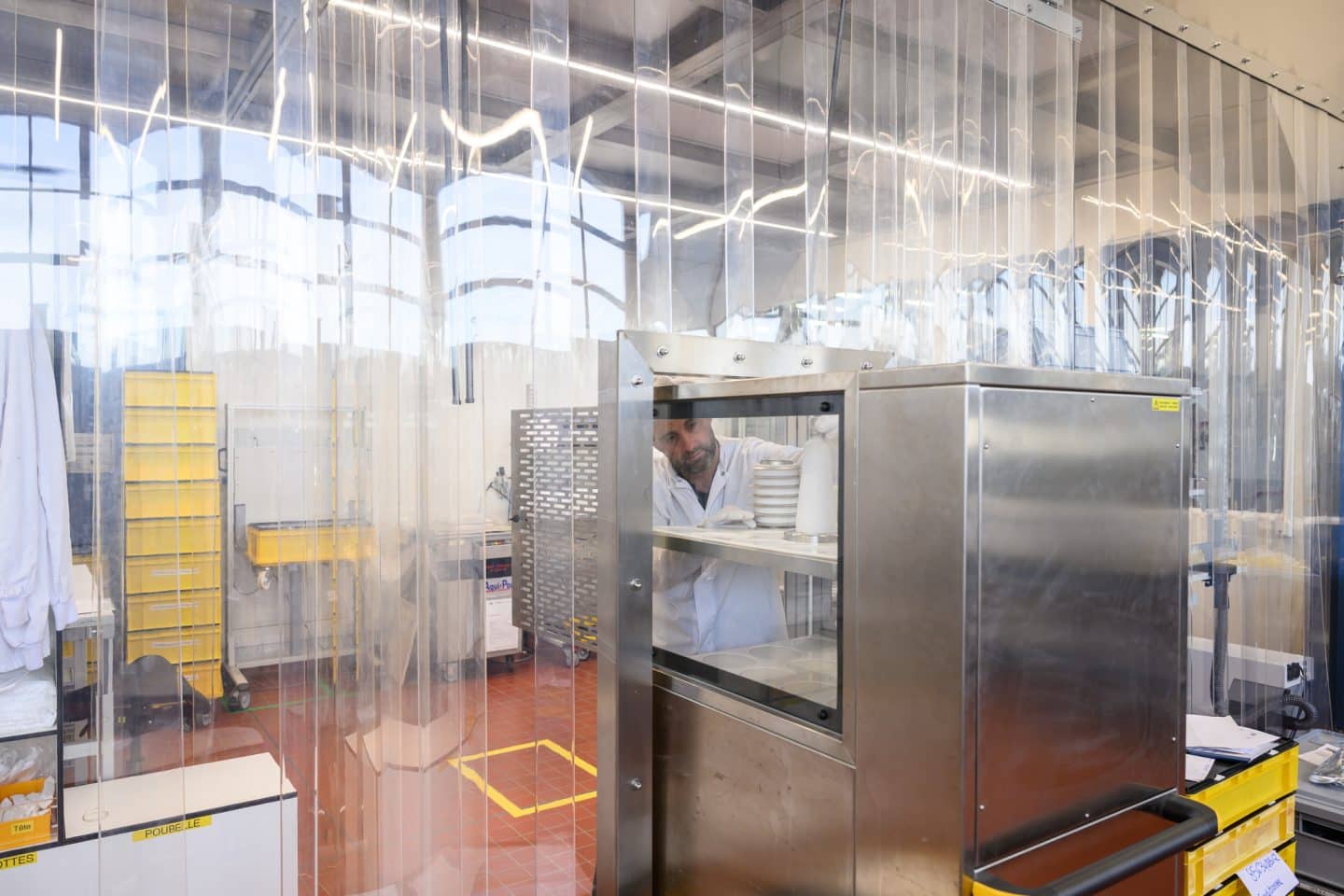
SCT supports demanding applications with controlled inspection and ISO 8 clean-room packaging capabilities.
06 – contact
Developing the Next Generation of Imaging Systems?
Whether you’re designing a CT scanner, an X-ray tube, an industrial inspection system, or another high-voltage imaging technology, SCT can help transform your technical requirements into robust ceramic-to-metal solutions.
How does SCT support high-voltage performance?
High-voltage performance depends on material selection, component geometry, surface condition, electrical field distribution and manufacturing quality.
SCT combines ceramic-to-metal design expertise, controlled metallization and brazing processes, dimensional control and inspection to develop reliable assemblies for demanding high-voltage applications up to 220kV.