
Innovating at the Heart of Materials and Manufacturing Processes
Innovation at SCT begins with a deep understanding of materials, manufacturing processes, and the technical challenges our customers are trying to solve.
By combining expertise in technical ceramics, metallurgy, ceramic-to-metal brazing, and advanced manufacturing technologies, our Research & Development team develops solutions for the most demanding medical and industrial applications.
Working closely with engineering and manufacturing teams, our researchers develop new materials, optimize manufacturing processes, and support the transition from laboratory development to production.
Understand Materials. Develop Tomorrow’s Solutions.
The performance of a ceramic-to-metal assembly results from the interaction between materials, manufacturing processes, and the interfaces that connect them.
Understanding these mechanisms is essential to developing reliable, high-performance, and durable solutions.
Materials Expertise
Our teams design, develop, and characterize materials to achieve the properties best suited to each application.
Areas of expertise:
- Alumina formulation and optimization
- Evaluation of ceramic materials (alumina, sapphire, zirconia…)
- Material purity and biocompatibility
- Electrical and dielectric performance
- High-temperature behaviour
- Vacuum, pressure, and radiation environments
- Compatibility of ceramic-to-metal assemblies
Process Innovation
Our teams continuously develop and optimize the manufacturing processes that ensure the performance, reliability, and reproducibility of our ceramic-to-metal assemblies.
Our work includes:
- Powder preparation
- Forming technologies
- Sintering optimization
- Metallization technologies
- Surface preparation
- Ceramic-to-metal brazing
- Process validation and industrialization
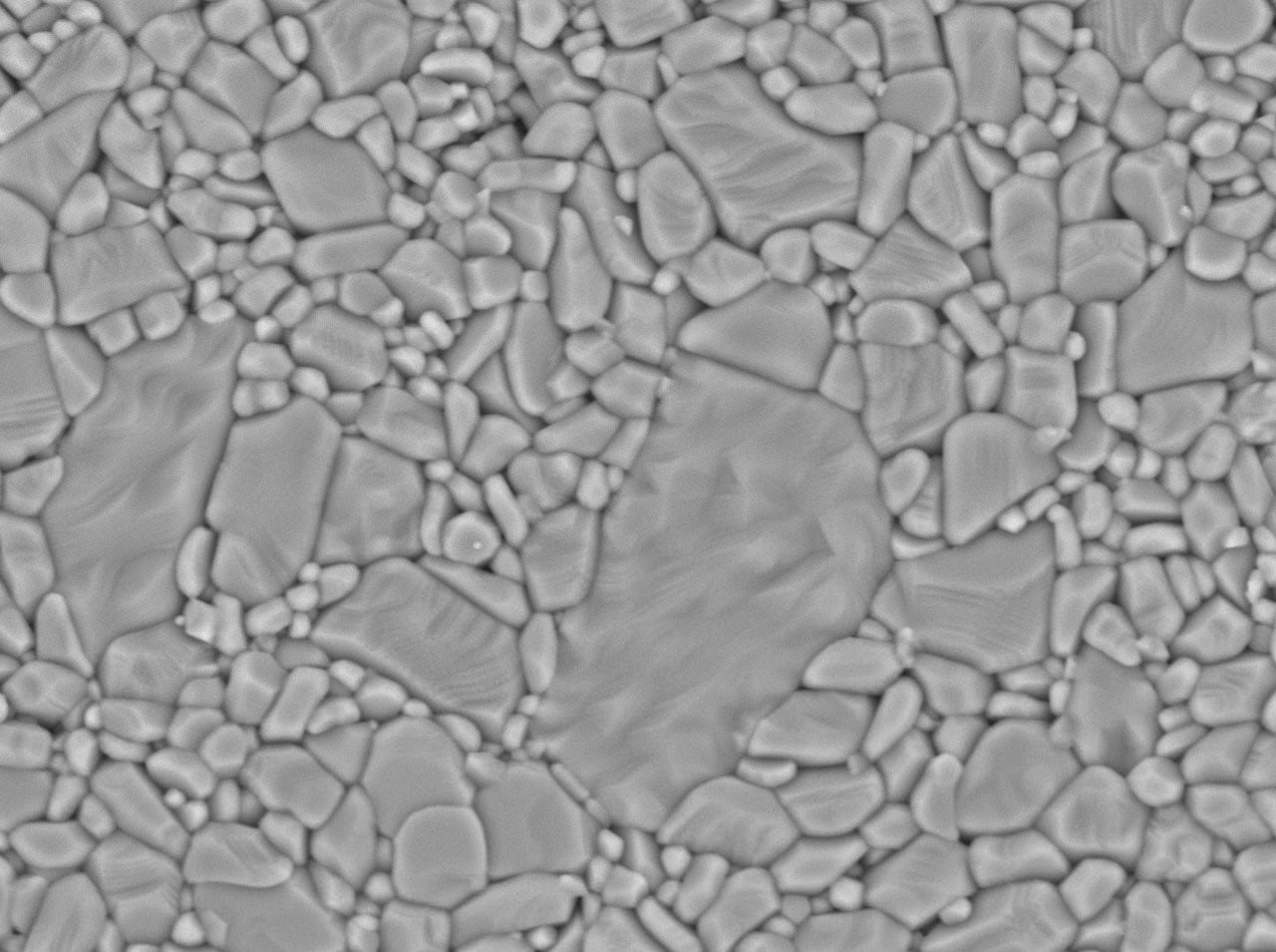
Analyzing material composition, properties, and behaviour to develop reliable ceramic and ceramic-to-metal solutions.
Typical characterization methods include:
- Particle characterization
- Density and viscosity measurements
- Sample preparation
- Hermeticity evaluation
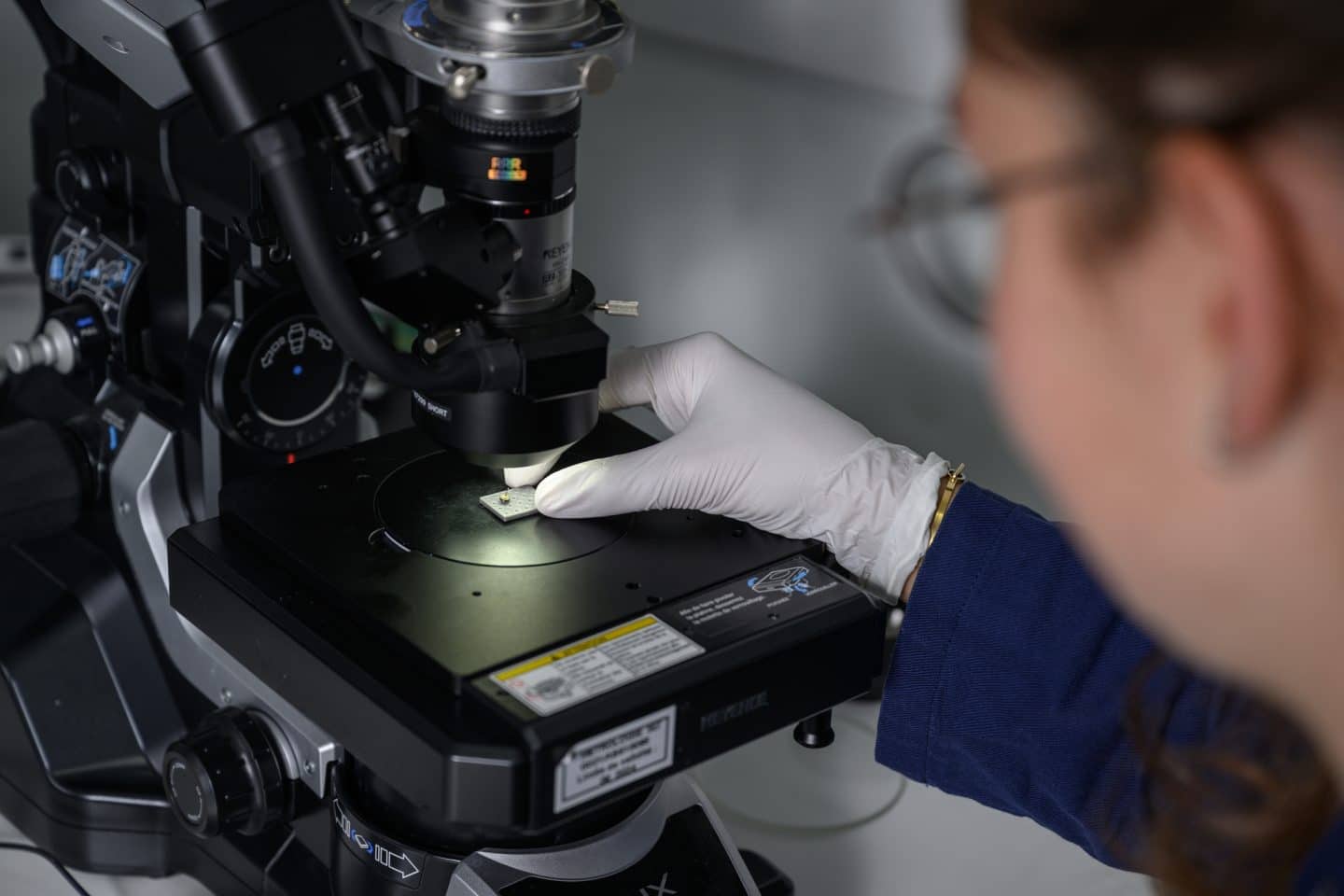
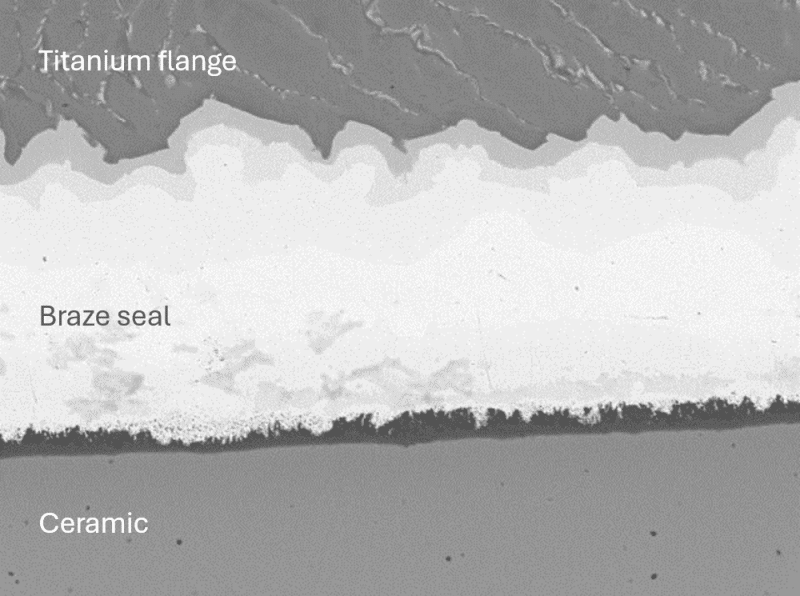
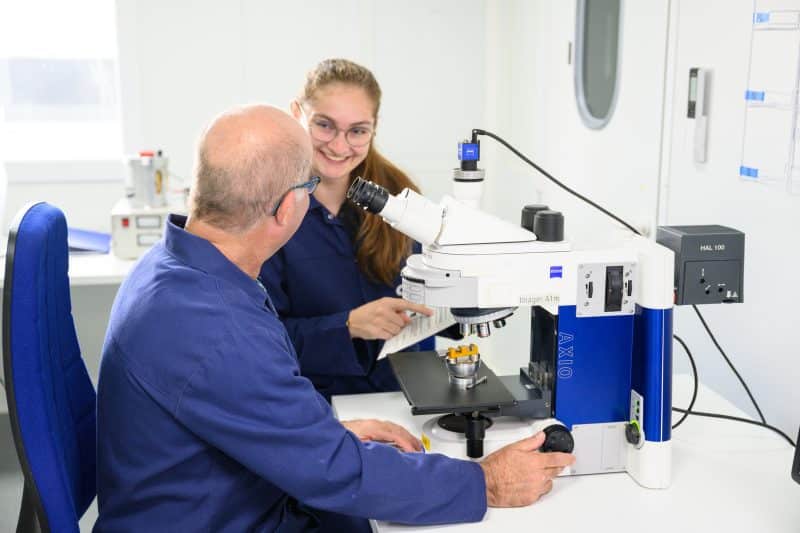
Examining ceramic-to-metal interfaces from the macroscopic to the microscopic scale to better understand material interactions, potential defects, and process performance.
Typical analysis methods include:
- Scanning Electron Microscopy (SEM)
- Energy Dispersive X-ray Analysis (EDX)
- Optical microscopy
- Digital microscopy
- Stereo microscopy
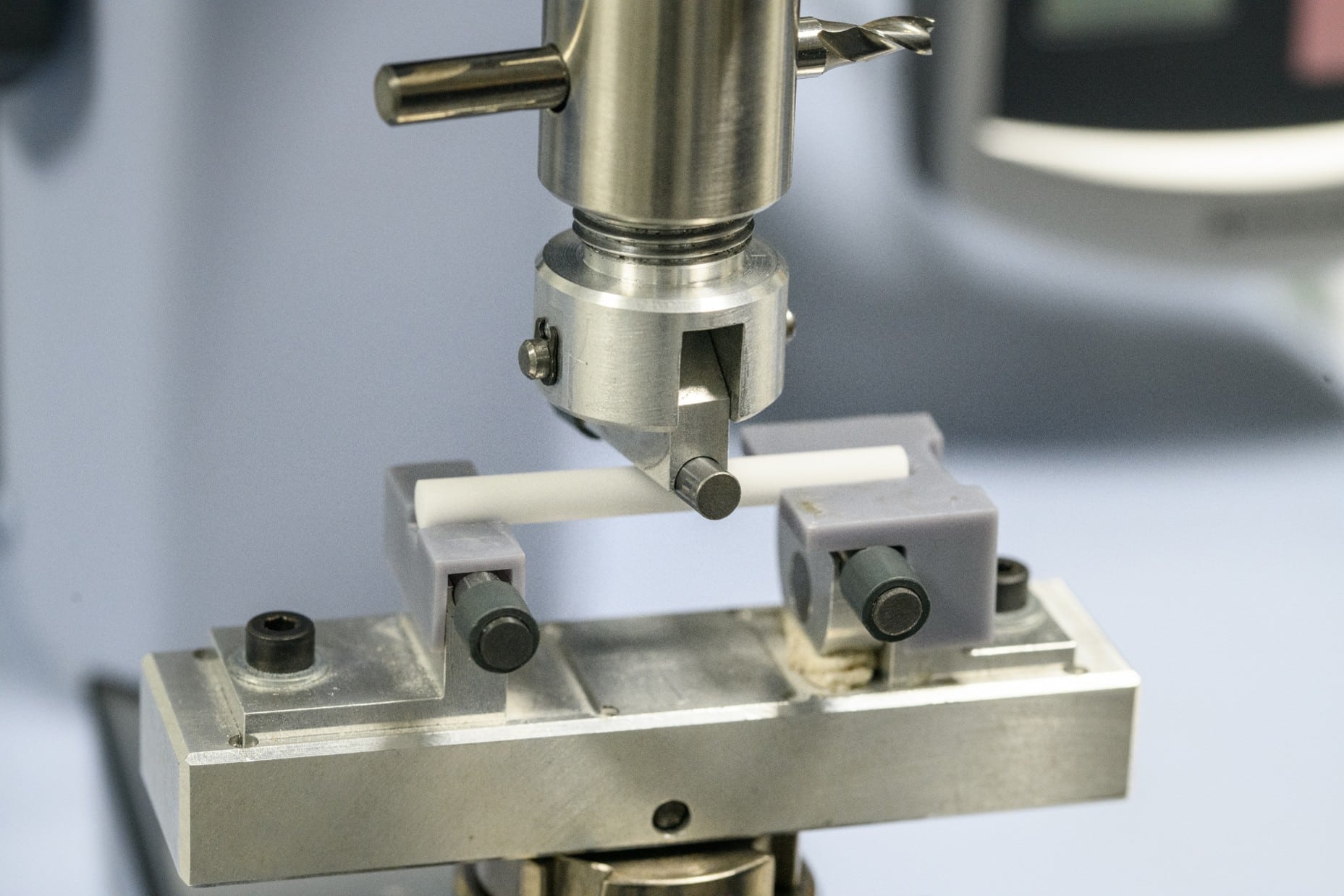
Evaluating component behaviour under representative operating conditions to validate long-term reliability.
Mechanical Testing
- Tensile testing
- Compression testing
- Flexural testing
- Hardness measurement
- Fracture toughness evaluation
Electrical Testing
- Dielectric strength
- Insulation resistance
- Electrical continuity
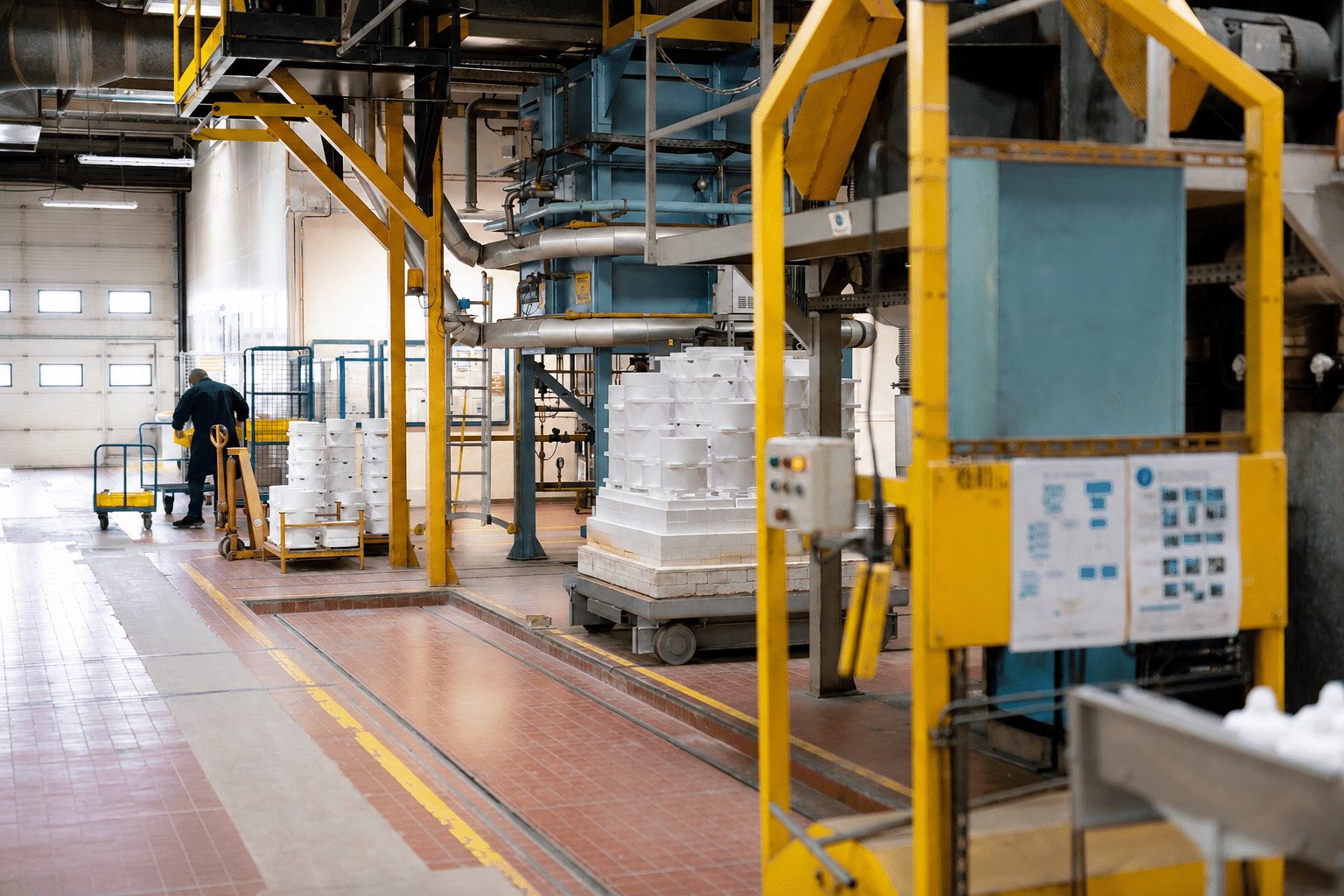
Validating materials and manufacturing processes under production-like conditions before transferring them to industrial manufacturing.
Available capabilities:
- Milling
- Spray drying
- Pressing
- Sintering furnaces
- Brazing furnaces
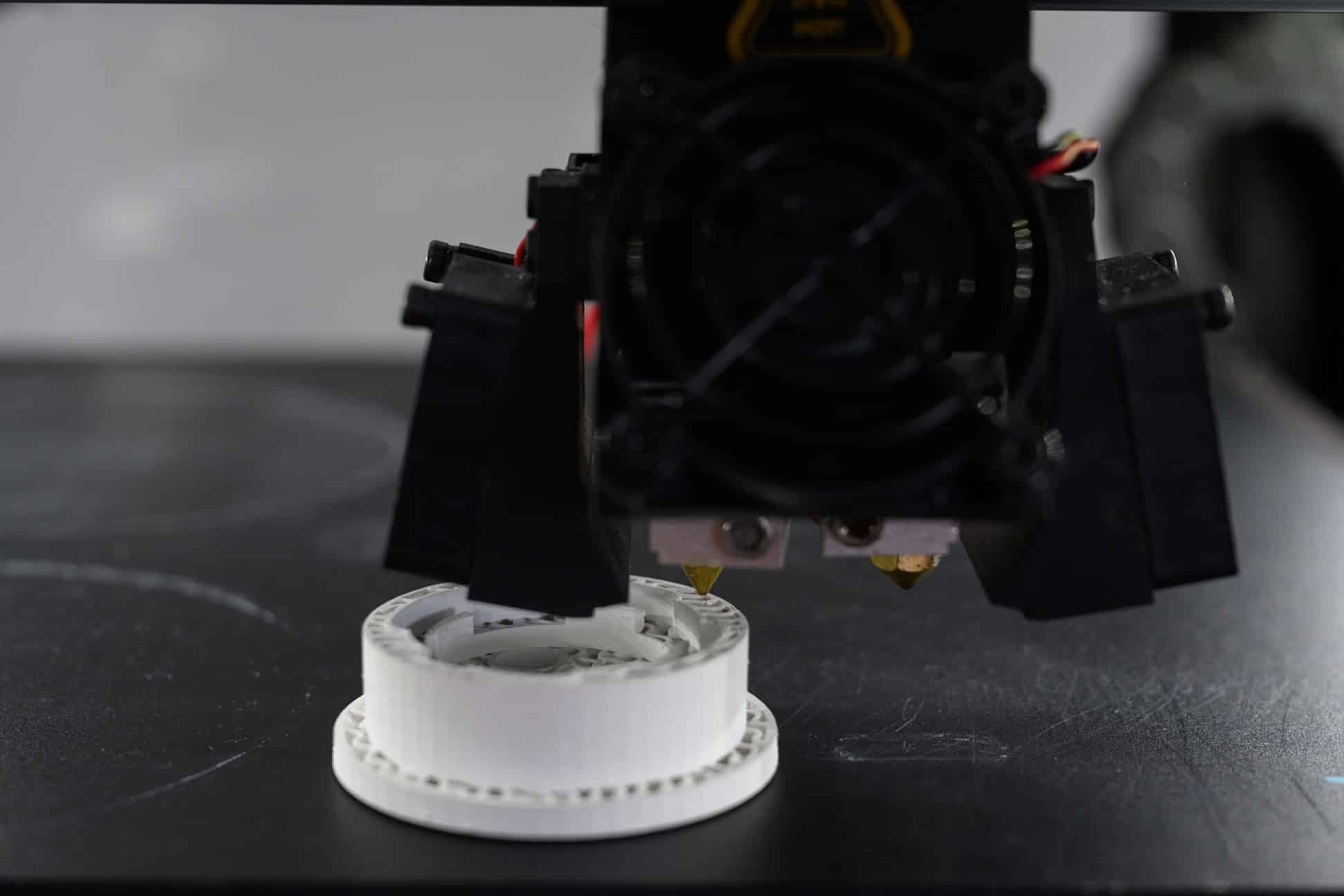
Exploring new design possibilities and accelerating product development through additive manufacturing technologies.
Available technologies:
- Ceramic 3D printing
- Polymer 3D printing
Collaborative Innovation
Innovation is, above all, a collaborative effort.
SCT works closely with customers, universities, research laboratories, and industrial partners to accelerate the development of new materials, advanced manufacturing processes, and next-generation ceramic technologies.
These collaborations transform scientific advances into practical industrial solutions while keeping SCT at the forefront of emerging technologies.





06 – contact
Let’s Bring Your Next Innovation to Life
Whether you’re developing a new material, optimizing an existing component, or exploring an entirely new concept, our Research & Development team is ready to help transform your technical challenges into industrial solutions.