
01 – Components
Ceramic-to-Metal Solutions for Mission-Critical Systems
Aerospace and defense systems operate in some of the world’s most demanding environments. Extreme temperatures, vibration, pressure variations, harsh operating conditions, and long product lifecycles all place exceptional demands on materials and components.
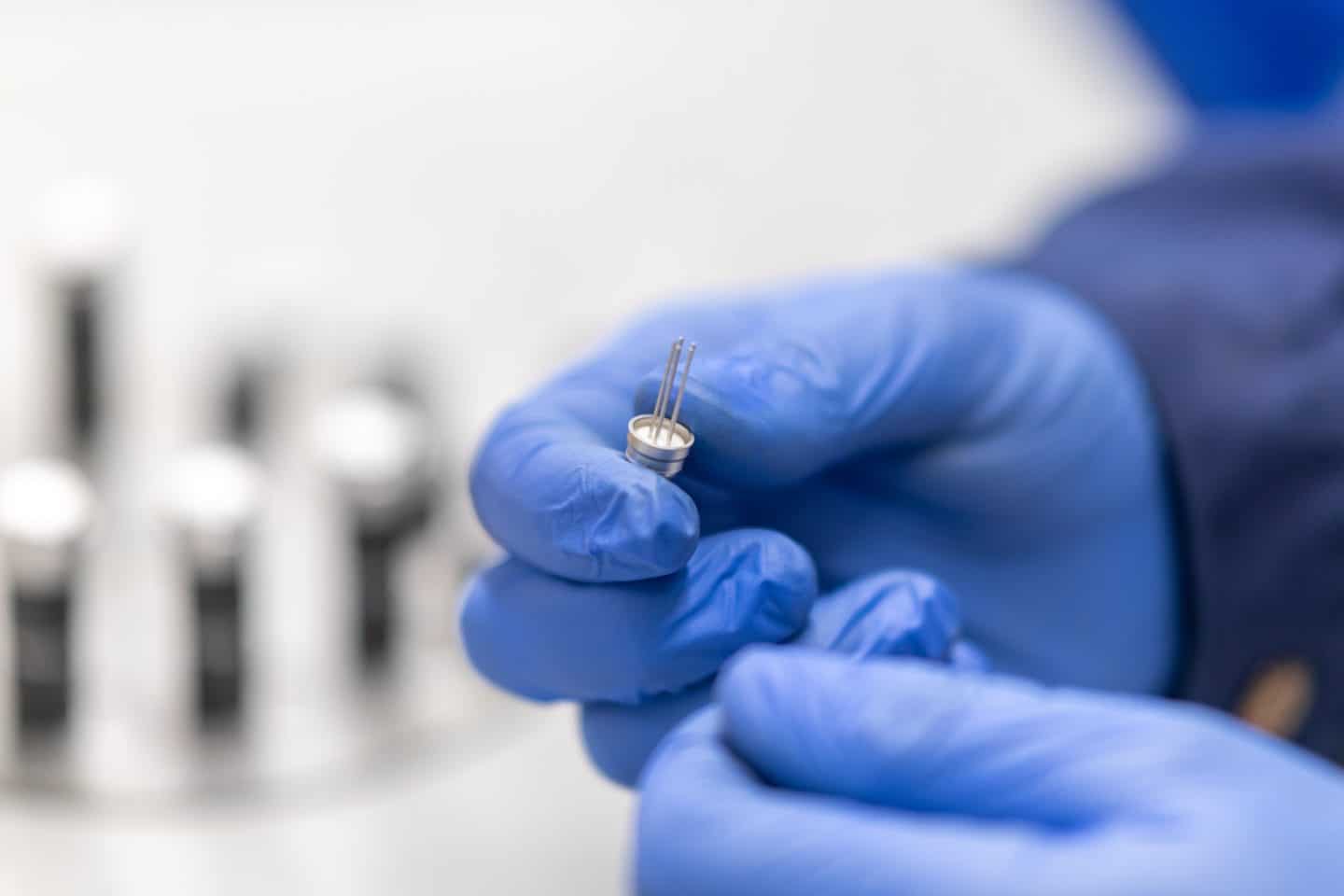
For more than 50 years, SCT has partnered with aerospace and defense manufacturers to develop customized ceramic-to-metal assemblies that deliver long-term reliability, hermeticity, and electrical performance for mission-critical applications.
04 – Challenges
Challenges We Help Solve
Every aerospace application presents unique engineering challenges. Our ceramic materials and ceramic-to-metal assemblies are designed to perform where conventional solutions reach their limits.
High Temperatures
Reliable operation in aircraft engines, propulsion systems, and other high-temperature environments.

Hermeticity
Protecting sensitive electronics and sensors from moisture, pressure variations, and harsh operating conditions.
Electrical Insulation
High-performance ceramic insulation for sensors, ignition systems, and electrical interconnections.

Mechanical Strength
Components designed to withstand vibration, shock, and demanding mechanical loads.
Series Production & Long-Term Continuity
Ensuring component repeatability and manufacturing continuity throughout aerospace programs with service lives that can span several decades.

Reliability
Controlled manufacturing processes for applications where failure is not an option.
02 – Applications
Applications
SCT supports a wide variety of aerospace and defense programs through the development of customized ceramic components and ceramic-to-metal assemblies.
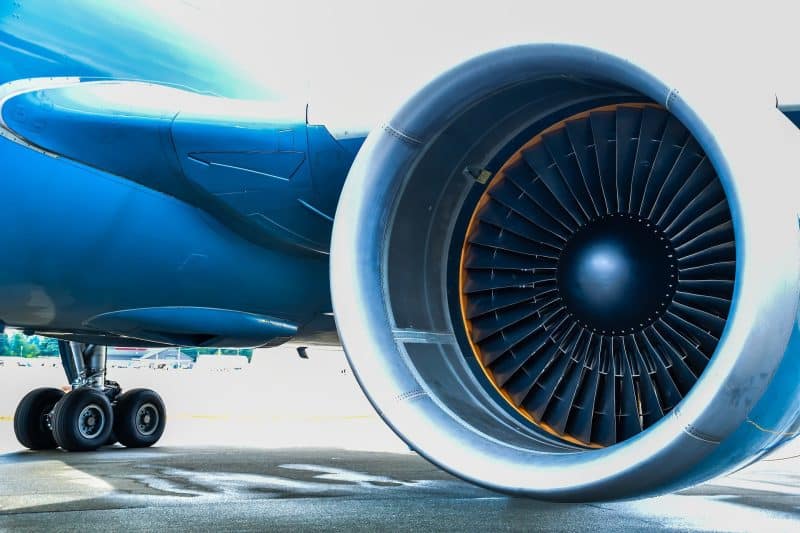
Aircraft Engines
High-temperature thermocouple assemblies and engine monitoring components.

Fire Detection Systems
Hermetic feedthroughs and ceramic components for aircraft fire detection systems.
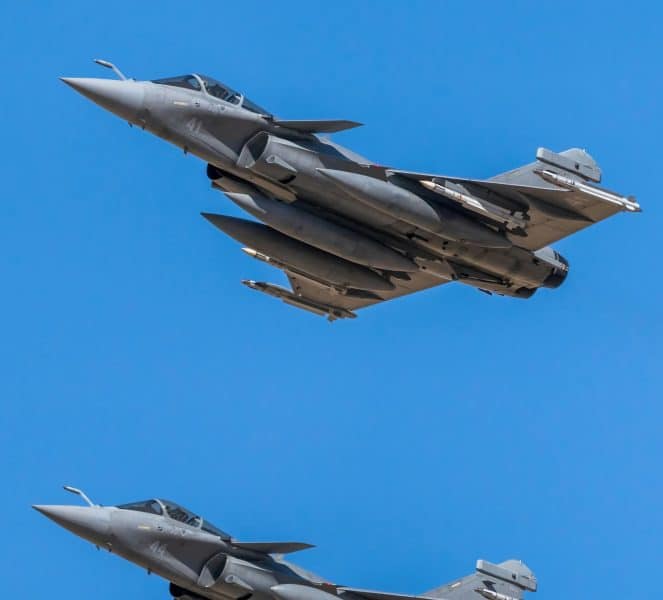
Engine Ignition & Pyrotechnics
Ceramic components used in ignition systems, initiators, and defense pyrotechnic applications.
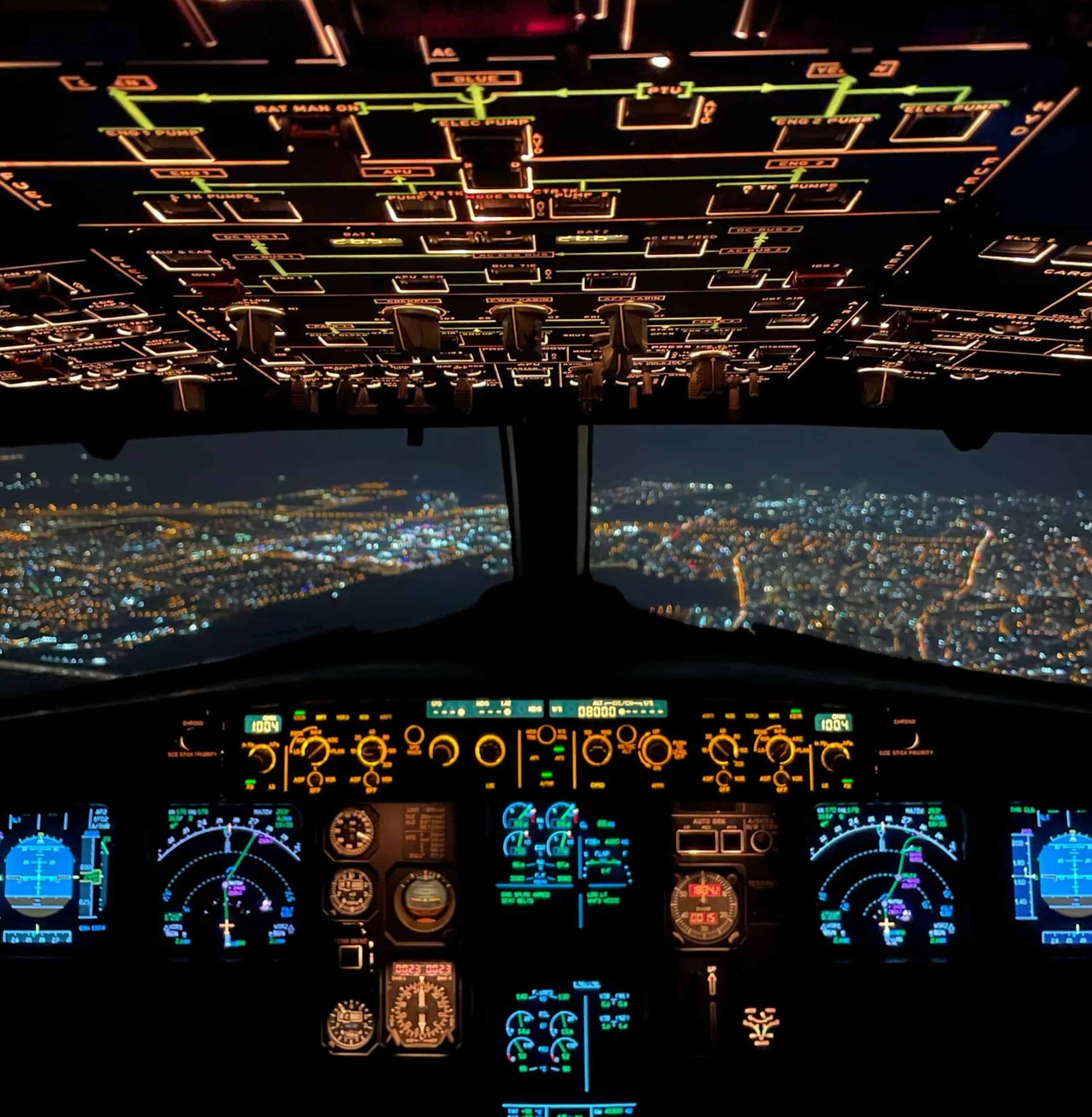
Sensors & Instrumentation
Precision ceramic components for temperature, proximity, and detection systems.
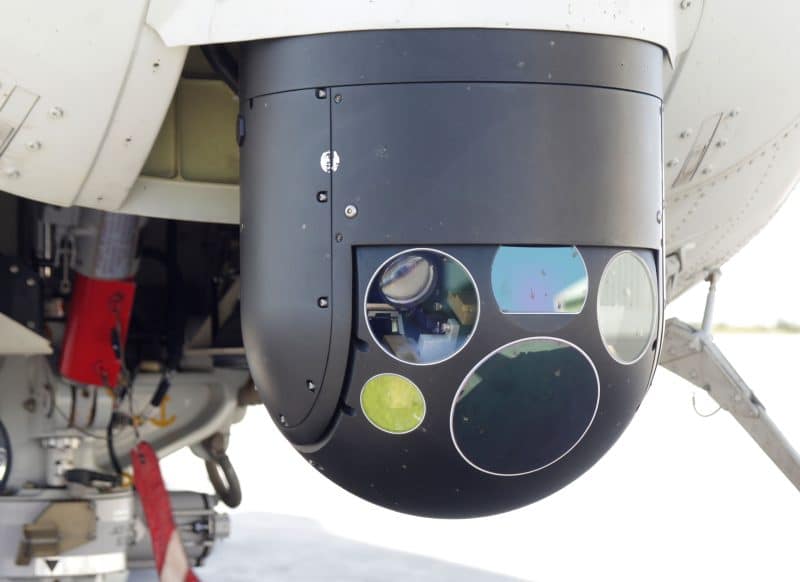
Optical Systems
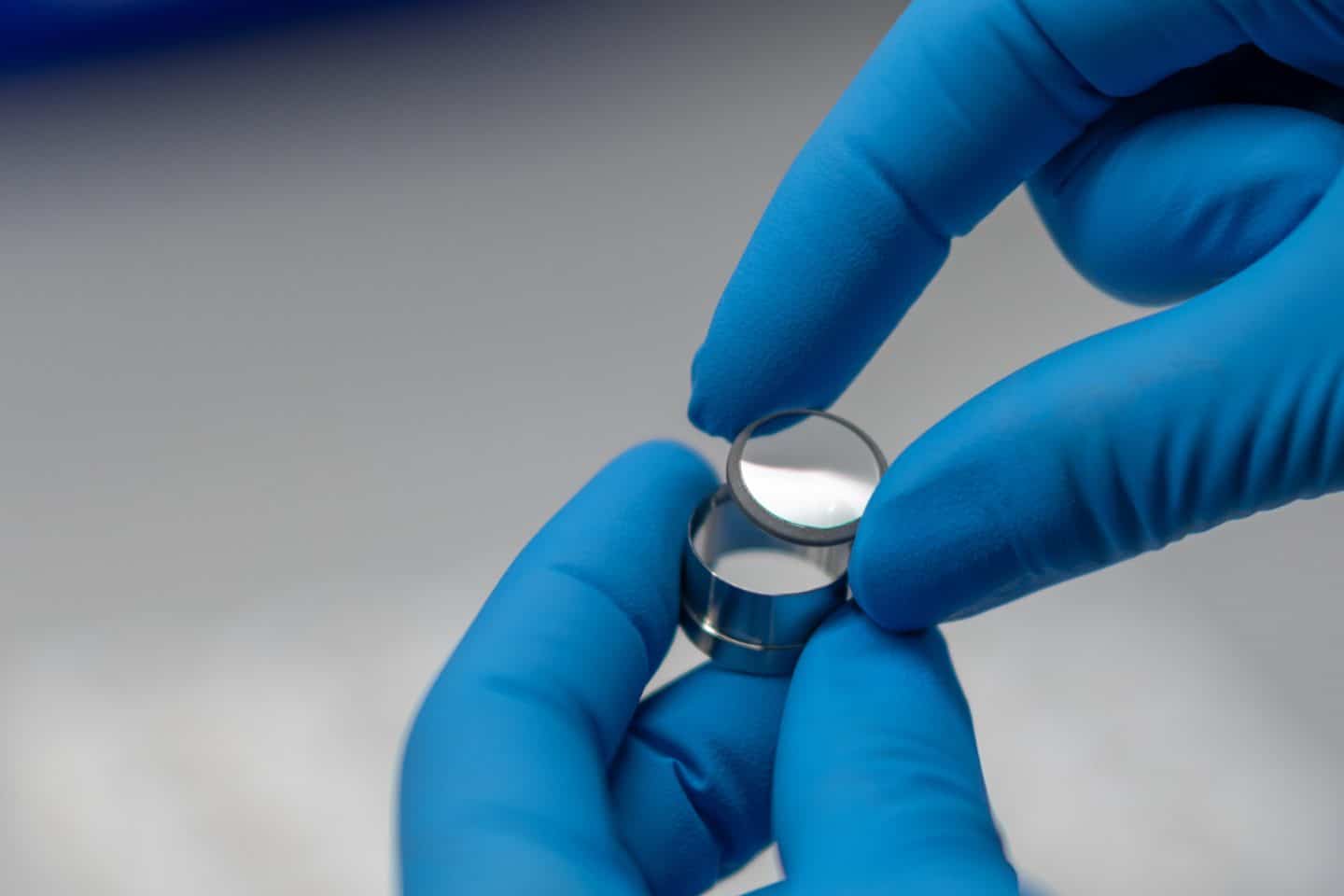
Brazed sapphire windows and optical assemblies for demanding aerospace and defense environments.
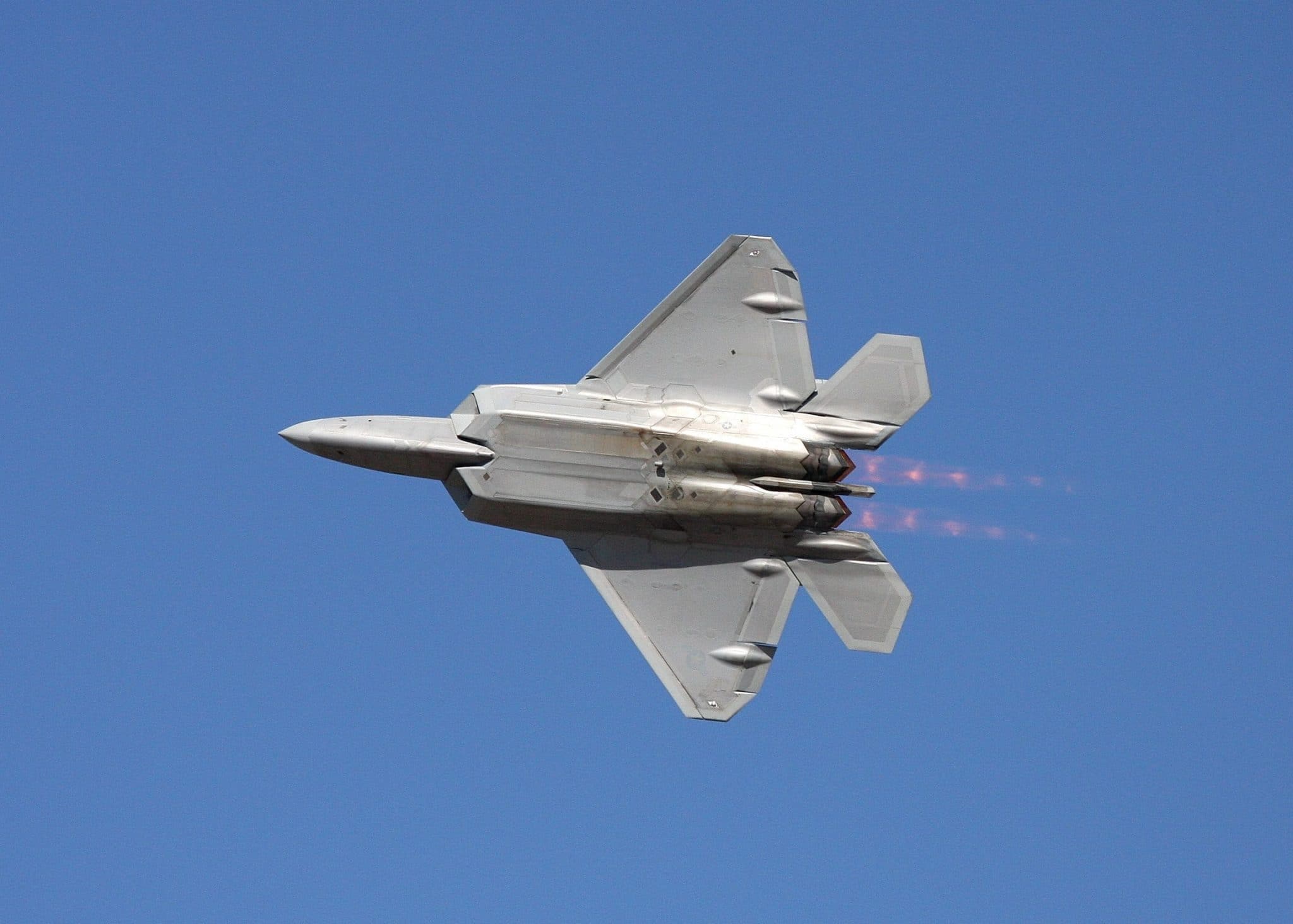
Defense Electronics
Hermetic electrical interconnections and ceramic components supporting mission-critical defense electronics.
02 – Products
Typical Products We Develop
Every solution is developed around the requirements of a specific application.
Typical products include:
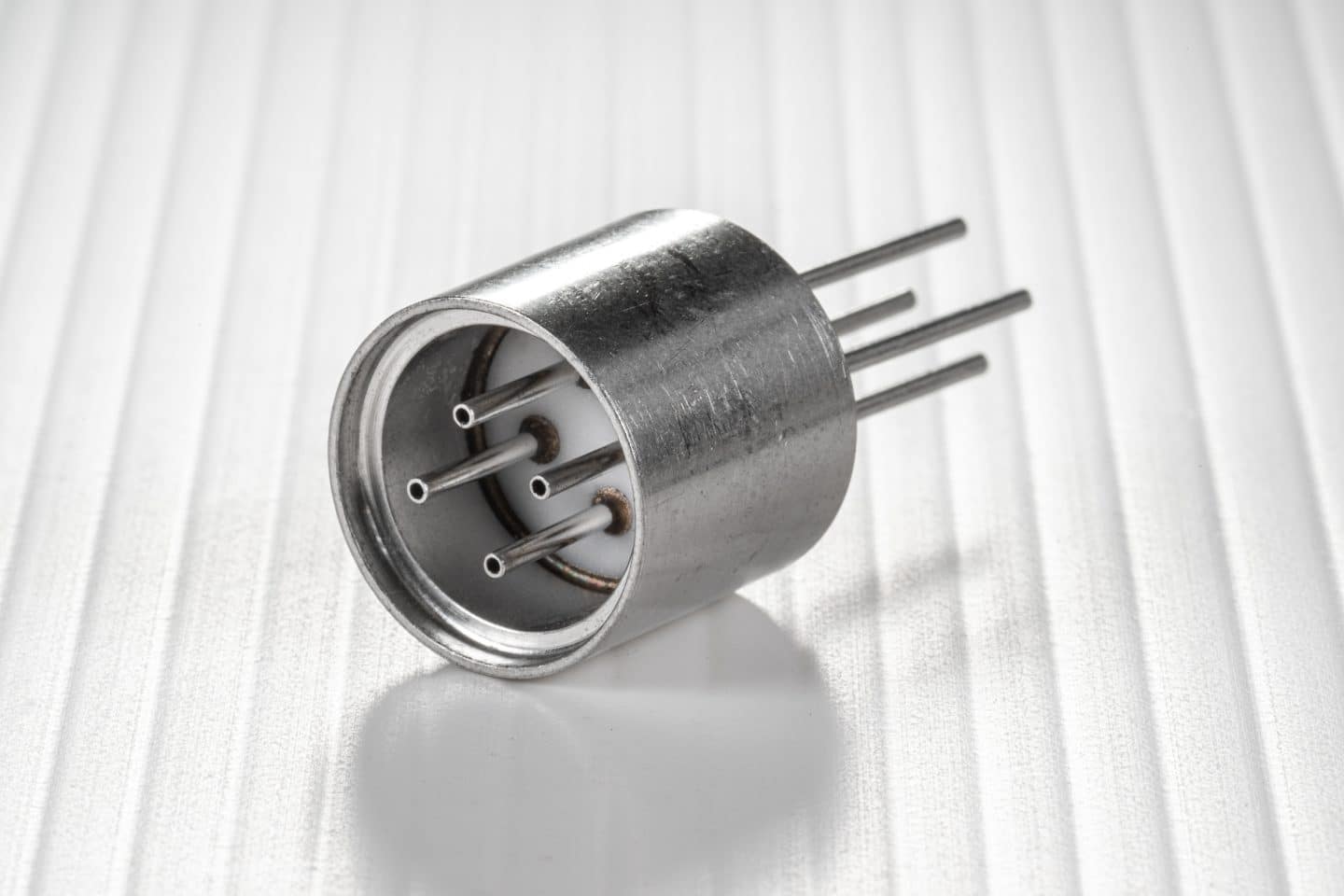
01
Hermetic Feedthroughs
Reliable electrical interfaces for harsh environments.
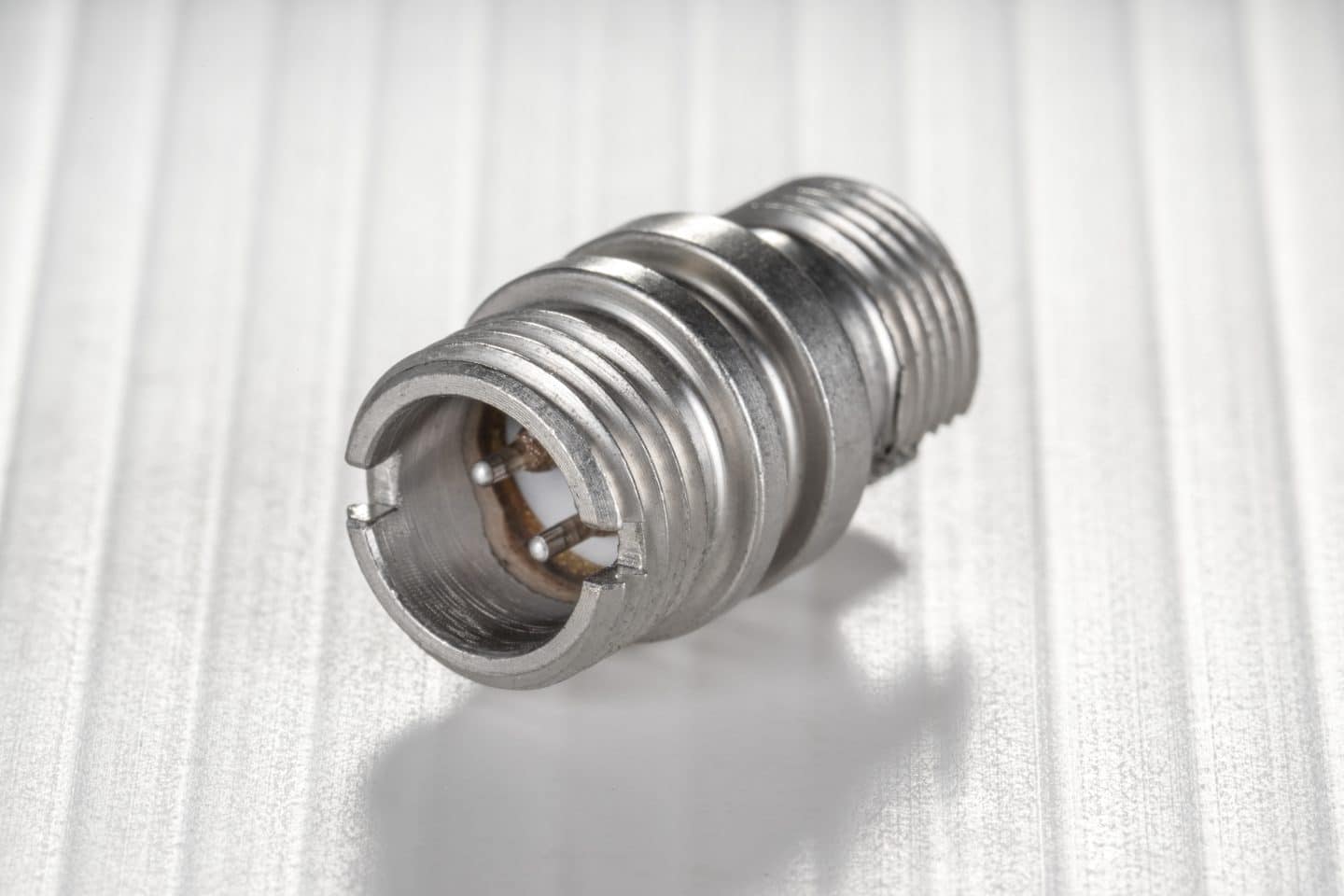
02
Ceramic Connector Subassemblies
High-reliability electrical connections for aerospace and defense systems.
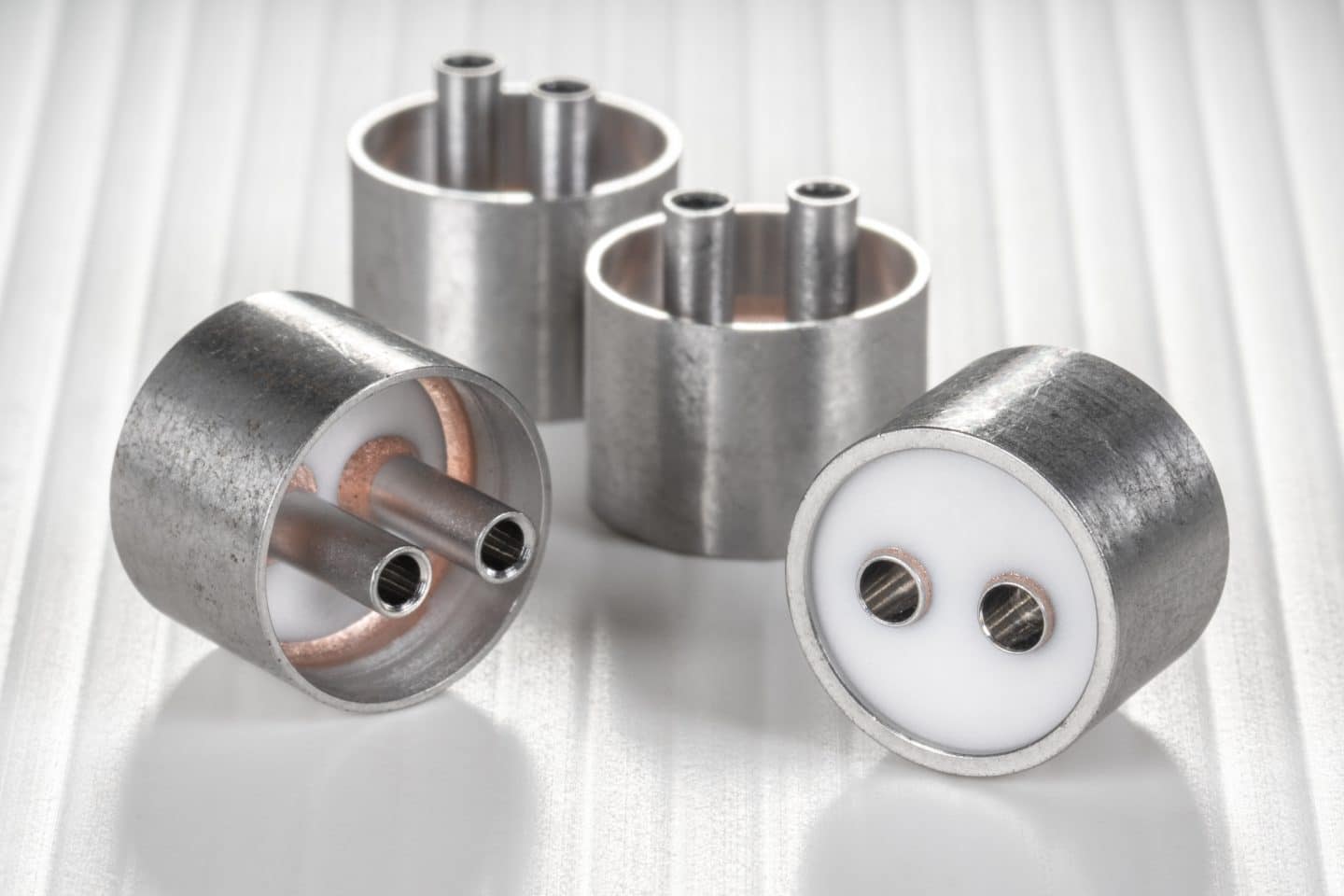
03
Thermocouple Components
Ceramic insulators, terminal assemblies, and hermetic feedthroughs for aircraft engine monitoring.
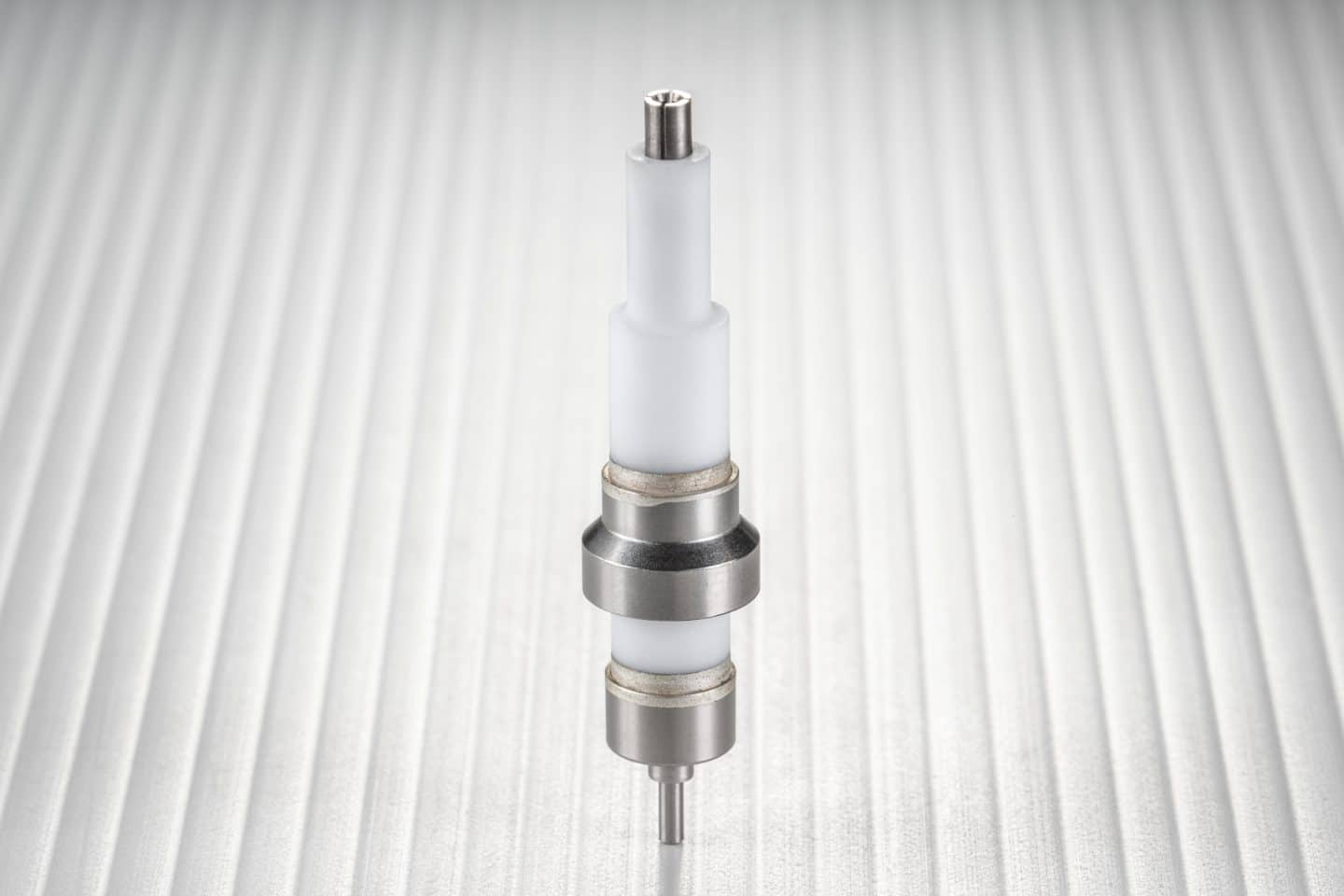
04
Pyrotechnic Components
Ceramic-to-metal assemblies supporting ignition and initiation systems.
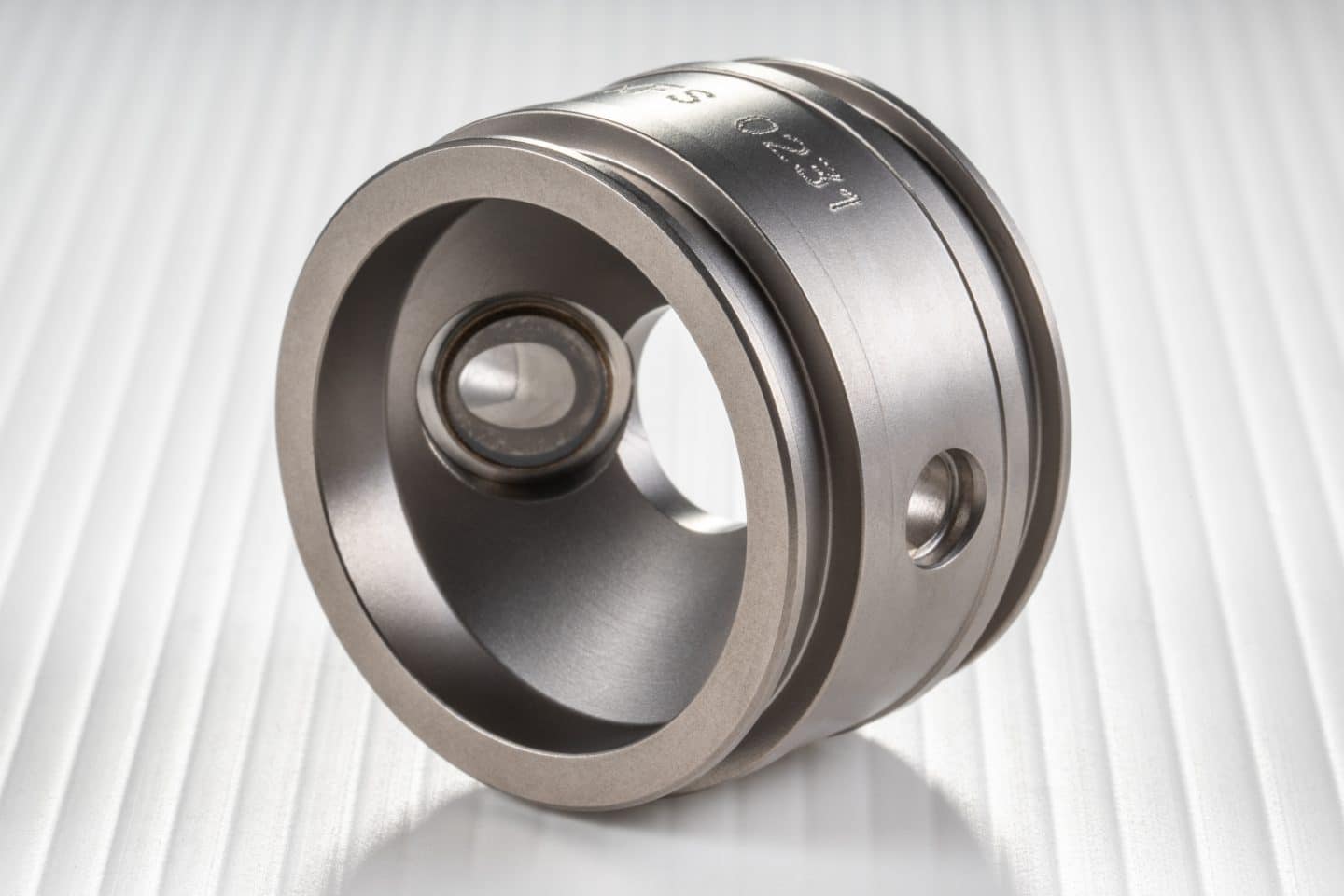
05
Sapphire Windows
Optical windows designed for demanding environments requiring exceptional durability.
03 – expertises
Built for Aerospace & Defense Requirements
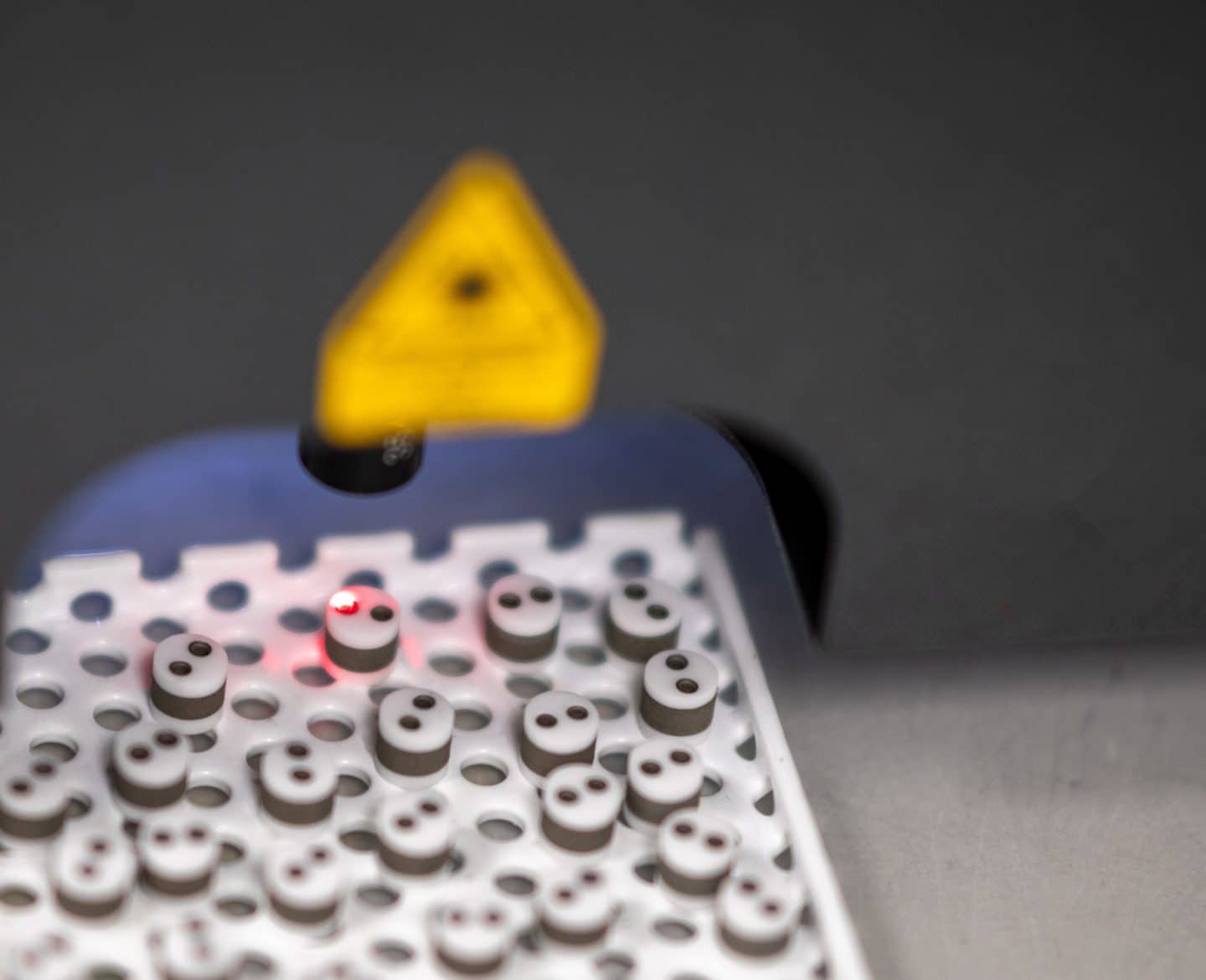
Aerospace and defense programs demand more than high-performance components—they require manufacturing partners capable of supporting lengthy qualification cycles, rigorous documentation, and product lifecycles that can span decades.
SCT works closely with customers throughout the product lifecycle, from early development through industrialization and production, helping ensure solutions remain robust, manufacturable, and available throughout the life of the program.
Our expertise includes
- Co-development with engineering teams
- Long-term production support
- Manufacturing traceability
- Industrialization & production readiness
- Responsive supply chain management
As an EN 9100 certified manufacturer, SCT meets the quality management requirements of the aerospace industry, supporting the traceability, consistency, and reliability expected for mission-critical applications.
Supporting Capabilities
From early-stage development to long-term production, SCT supports customers throughout the product lifecycle.
Research & Innovation
Developing advanced materials, manufacturing technologies, and ceramic-to-metal solutions for tomorrow’s applications.
Learn more
Product Development
Co-developing robust, manufacturable solutions tailored to each application’s technical requirements.
Learn more
Industrialization
Preparing products for reliable series production through Design for Manufacturability (DFM), process optimization, and production readiness.
Learn more
Materials
Selecting the optimal ceramic, metal, and brazing technologies for each application’s electrical, mechanical, thermal, and environmental requirements.
Learn more
Quality Assurance
Supporting each project according to its specific quality, inspection, documentation, and traceability requirements.
Our quality approach is built around your requirements.
Learn more about Quality & Environment
06 – FAQ
Frequently Asked Questions
Why are ceramics used in aerospace and defense systems?
Advanced ceramics combine electrical insulation, mechanical strength, thermal stability, and resistance to harsh operating environments. These properties make them well suited for applications where long-term reliability is essential.
SCT develops customized ceramic-to-metal assemblies designed to perform in demanding aerospace and defense applications, supporting customers from development through long-term production.
How do ceramic components perform in high-temperature environments?
Many aerospace and defense systems operate under extreme thermal conditions where conventional insulating materials may reach their limits. Advanced ceramics retain their electrical and mechanical properties over a wide temperature range, making them suitable for demanding engine, sensing, and propulsion applications.
SCT works with customers to select the appropriate ceramic materials and ceramic-to-metal assembly technologies according to the thermal and environmental requirements of each project.
Why are ceramics used in aircraft engine sensing systems?
Aircraft engines rely on accurate temperature and condition monitoring to ensure safe and efficient operation. Ceramic components provide the electrical insulation and mechanical stability required for thermocouples and other sensing technologies operating in demanding environments.
With decades of experience supplying aerospace programs, SCT develops customized ceramic components and assemblies for engine monitoring and sensing applications.
Can SCT support long aerospace and defense programs?
Yes. Aerospace and defense platforms often remain in service for decades, requiring stable manufacturing processes, product consistency, documentation, and reliable long-term supply.
SCT supports customers throughout the product lifecycle—from co-development and industrialization to long-term production—helping ensure continuity over the life of the program.
How does SCT support aerospace qualification requirements?
Every aerospace and defense program has its own technical, documentation, inspection, and qualification requirements. Qualification activities are defined by the application, customer specifications, and applicable industry standards.
As an EN 9100 certified manufacturer, SCT works closely with customers to deliver the traceability, manufacturing consistency, and quality support required for mission-critical applications.
Can SCT develop custom ceramic components?
Yes. Every aerospace and defense application presents unique technical and environmental challenges.
SCT partners with customers to co-develop customized ceramic-to-metal solutions, selecting the appropriate materials, manufacturing processes, and inspection methods to meet the specific requirements of each program.
Why choose ceramic-to-metal brazing for aerospace applications?
Ceramic-to-metal brazing combines the electrical insulation of advanced ceramics with the mechanical strength of metallic components, creating robust assemblies capable of operating in demanding environments.
Drawing on more than five decades of ceramic-to-metal brazing expertise, SCT develops customized assemblies designed to deliver long-term reliability in mission-critical aerospace and defense systems.
06 – contact
Ready to Develop Your Next Aerospace or Defense Solution?
Whether you’re developing an aircraft engine component, a sensing or detection system, or a next-generation defense platform, SCT can help transform your technical requirements into robust ceramic-to-metal solutions.
Why are hermetic feedthroughs used in aerospace applications?
Hermetic feedthroughs allow electrical signals and power to pass through sealed enclosures while protecting sensitive electronics from moisture, pressure variations, and harsh environmental conditions.
SCT develops customized hermetic feedthroughs tailored to each application’s electrical, mechanical, and environmental requirements, helping customers achieve reliable long-term performance.