
01 – Components
Ceramic-to-Metal Solutions for Implantable Cardiac Devices
Cardiac Rhythm Management (CRM) devices are among the most established and reliable active implantable medical technologies. Pacemakers, implantable cardioverter-defibrillators (ICDs), and next-generation leadless systems depend on hermetic packaging capable of protecting sensitive electronics for many years inside the human body.
For decades, SCT has partnered with leading medical device manufacturers to develop customized ceramic-to-metal assemblies that combine hermeticity, miniaturization, electrical performance, and long-term reliability for implantable cardiac applications.
04 – Technical Solutions
Challenges We Help Solve
Implantable cardiac devices must operate reliably for many years in one of the most demanding environments imaginable: the human body.
Our ceramic materials and ceramic-to-metal assemblies help manufacturers address critical technical challenges throughout the lifetime of the device.

Long-Term Hermeticity
Protecting sensitive electronics from body fluids over many years of implantation.

Electrical Reliability
Stable electrical connections for life-sustaining therapies.

Miniaturization
Reducing device size while maintaining performance and reliability.

Biocompatibility
Materials selected for long-term implantable medical applications.
Long Product Lifecycles
Supporting mature product families through development, industrialization, and long-term production.
02 – Applications
Applications
SCT supports manufacturers across the Cardiac Rhythm Management market.
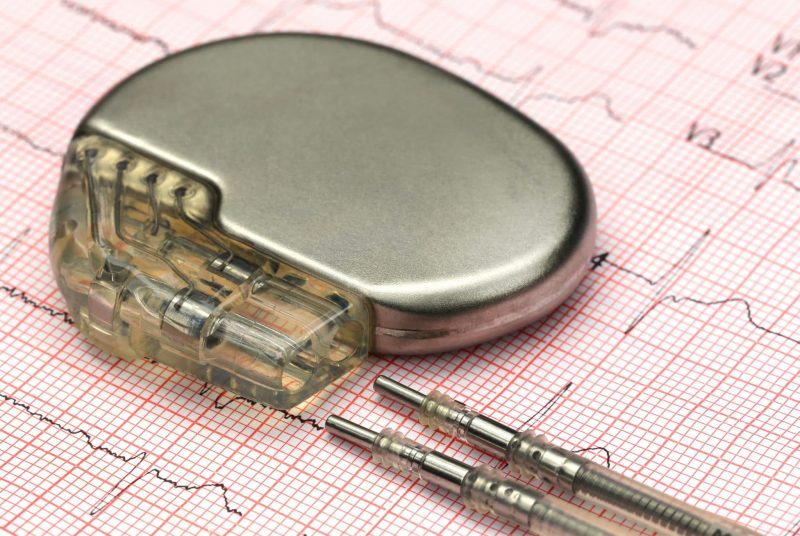
Pacemakers
Hermetic ceramic feedthroughs and implantable packaging solutions.
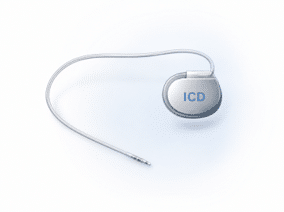
Implantable Cardioverter-Defibrillators (ICDs)
High-reliability ceramic components for life-saving cardiac therapies.
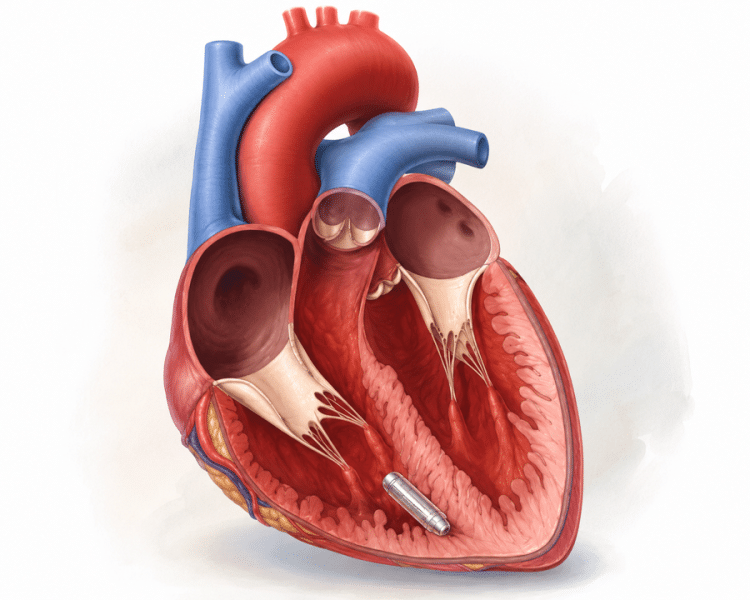
Leadless Pacemakers
Miniaturized ceramic technologies supporting next-generation cardiac devices.

Cardiac Monitoring Systems
Hermetic packaging solutions for implantable monitoring technologies.
02 – Products
Our Products
Every solution is developed around the clinical and technical requirements of each device.
01
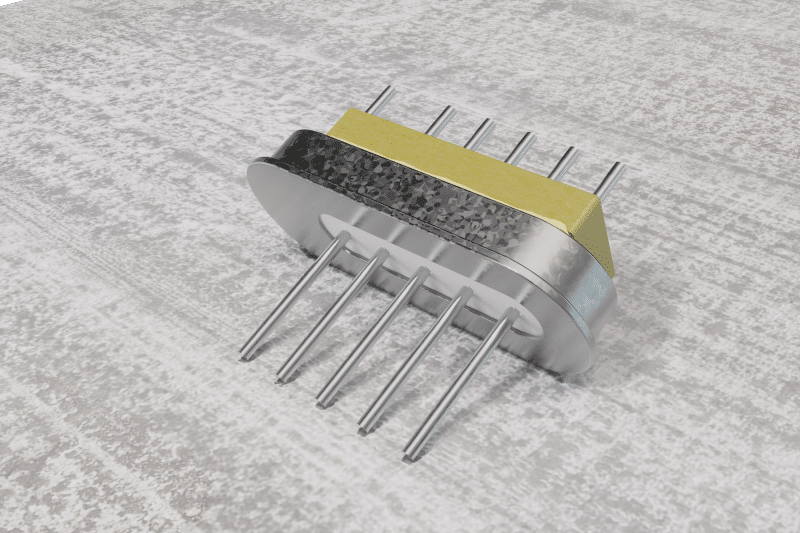
Filtered Hermetic Feedthroughs
Electrical interfaces providing both hermetic sealing and electromagnetic filtering.
02
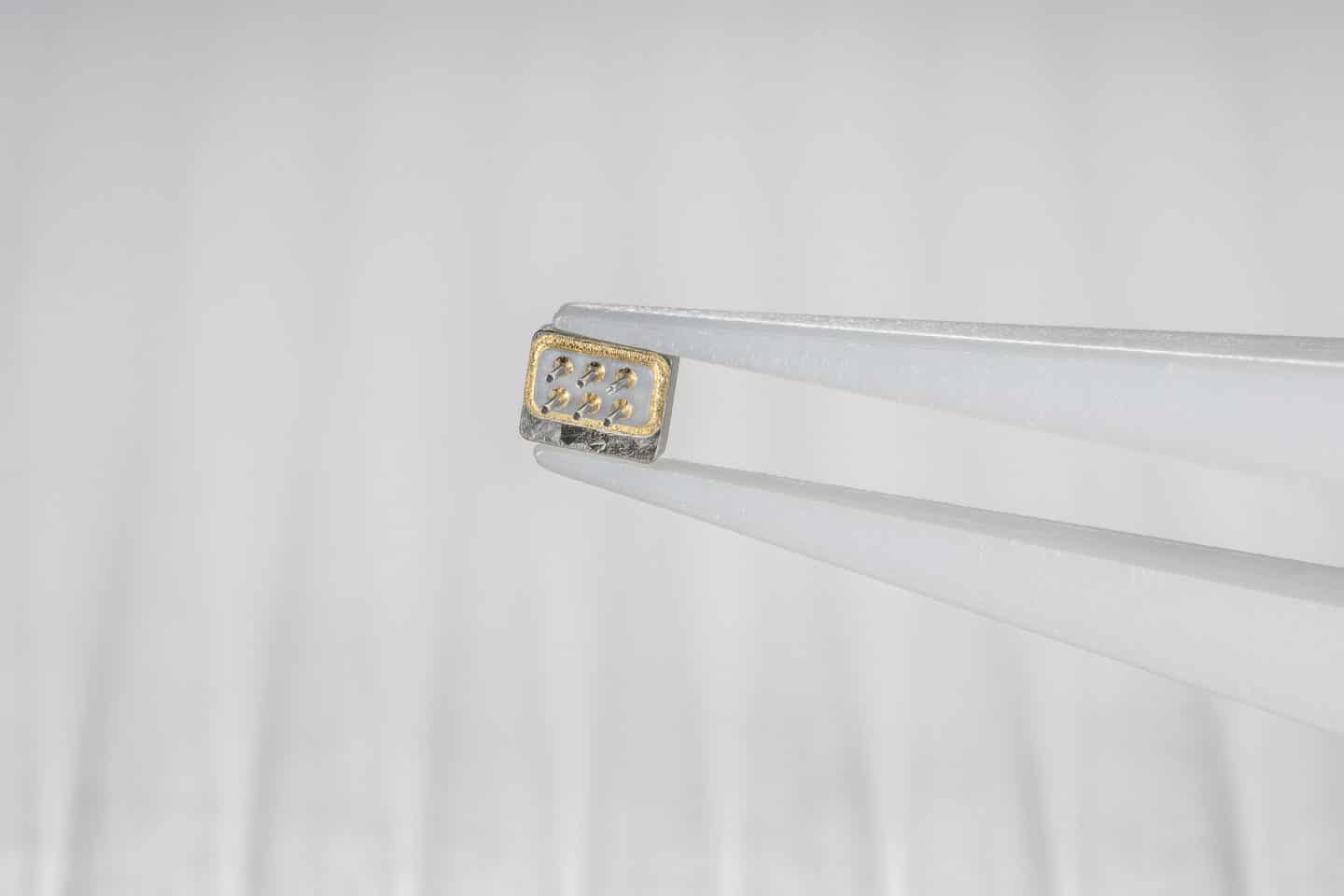
Hermetic Feedthroughs
Reliable electrical connections for implantable cardiac devices.
03
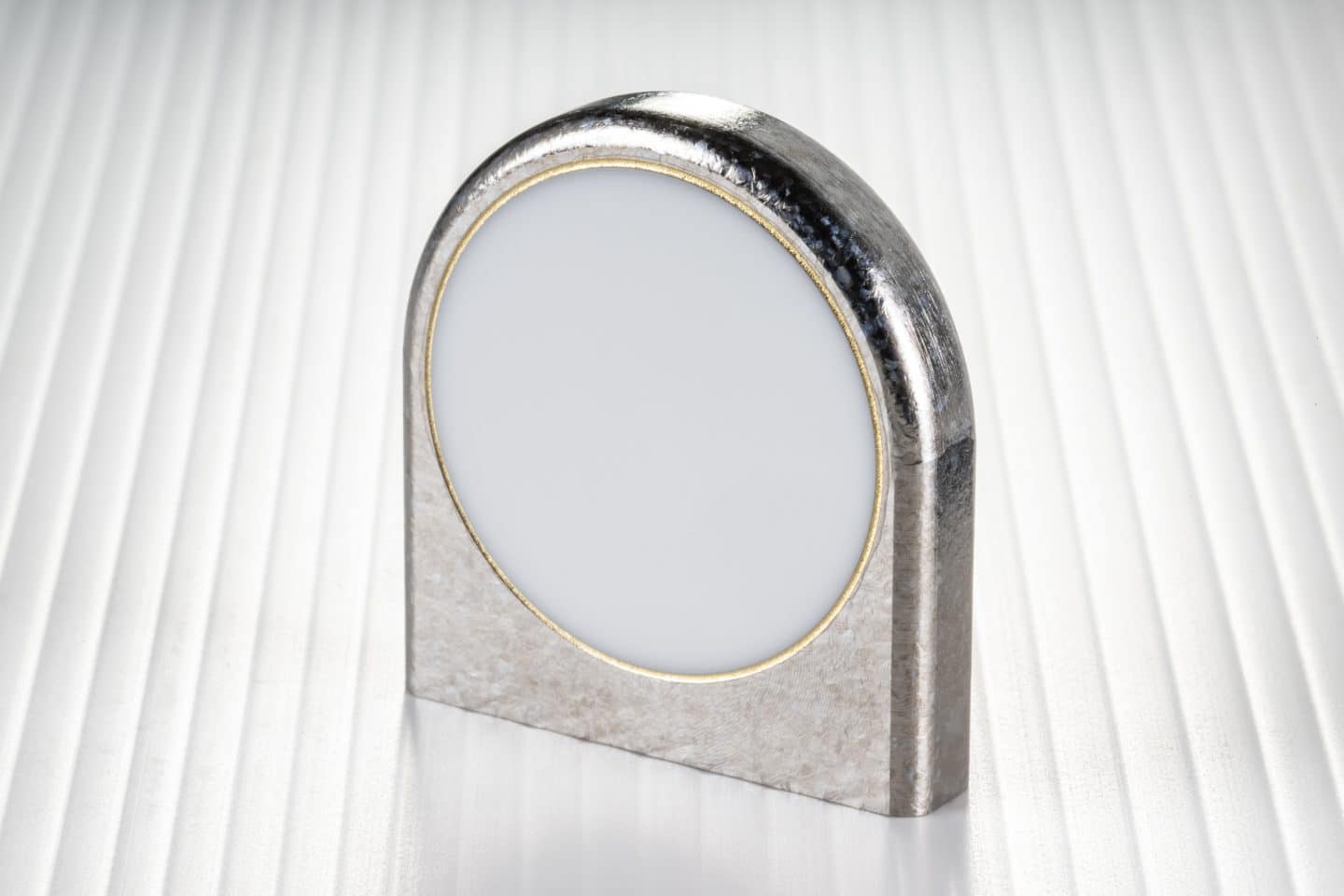
Ceramic Casings
Supporting miniaturization, wireless communication, and long-term implant reliability.
04
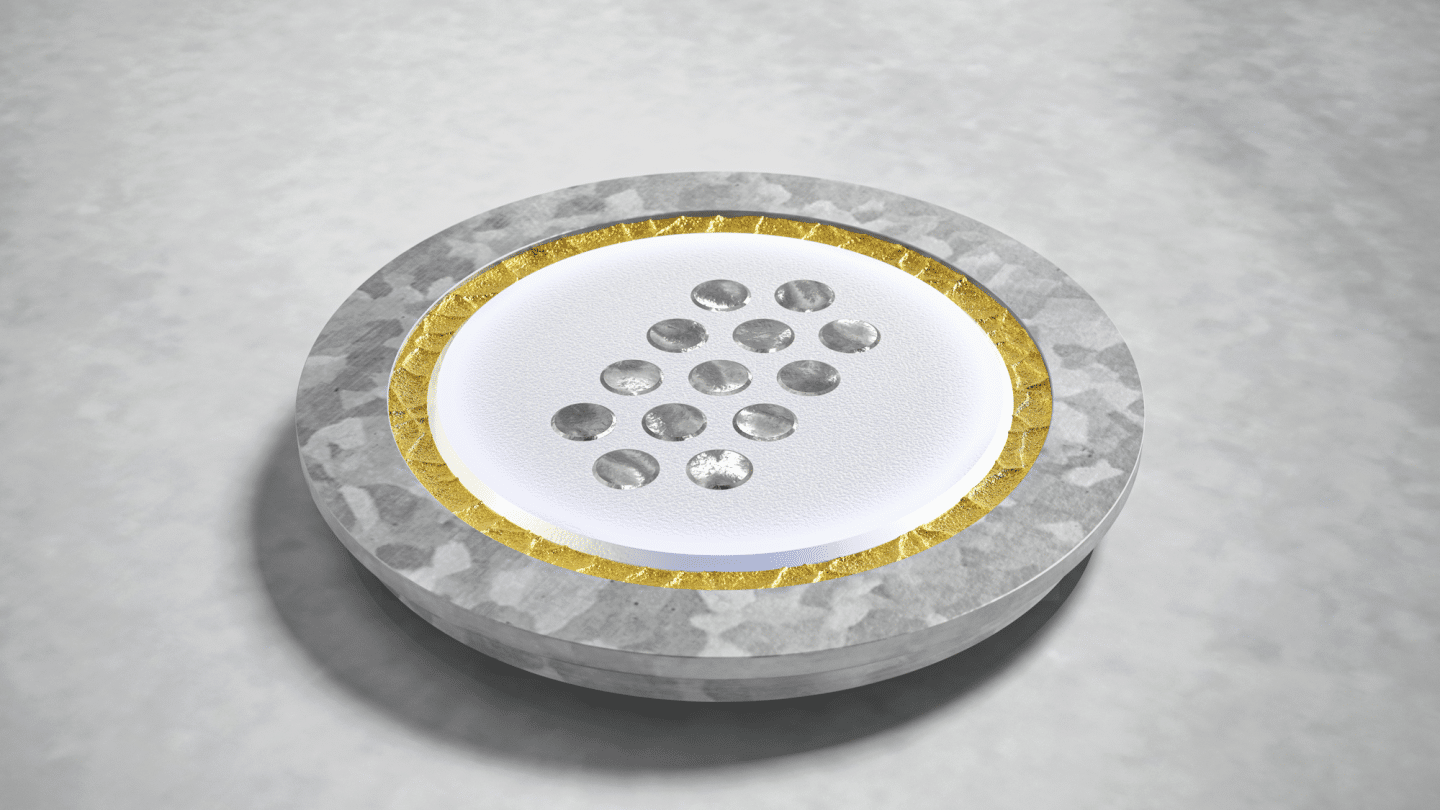
CerMet High-Density Feedthrough Technology
Next-generation interconnection technology for increasingly compact implantable devices.
03 – expertise
Built for Implantable Reliability
Cardiac implantable devices are expected to perform reliably for many years without maintenance or replacement.
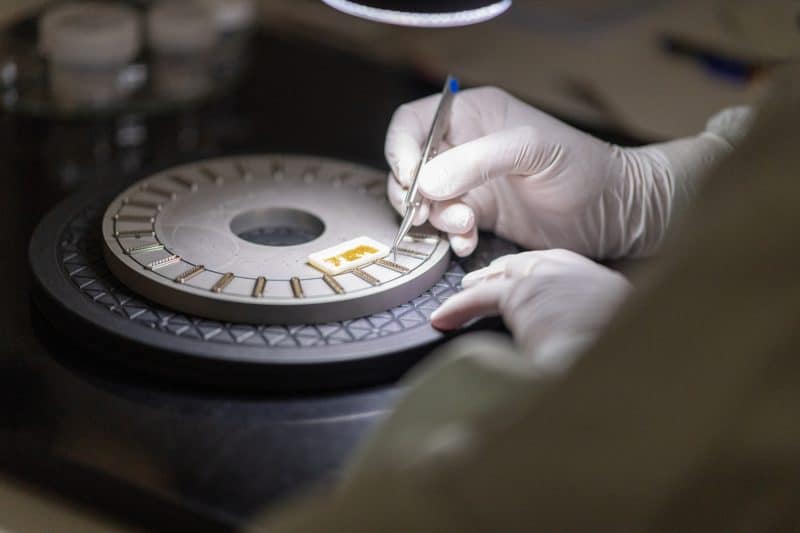
Our engineering, Research & Innovation, and production teams work together to develop ceramic-to-metal solutions that meet the demanding requirements of long-term implantable applications, from early development through industrialization and production.
Our expertise includes
- Hermetic packaging
- Filtered Hermetic Feedthroughs
- Miniaturization
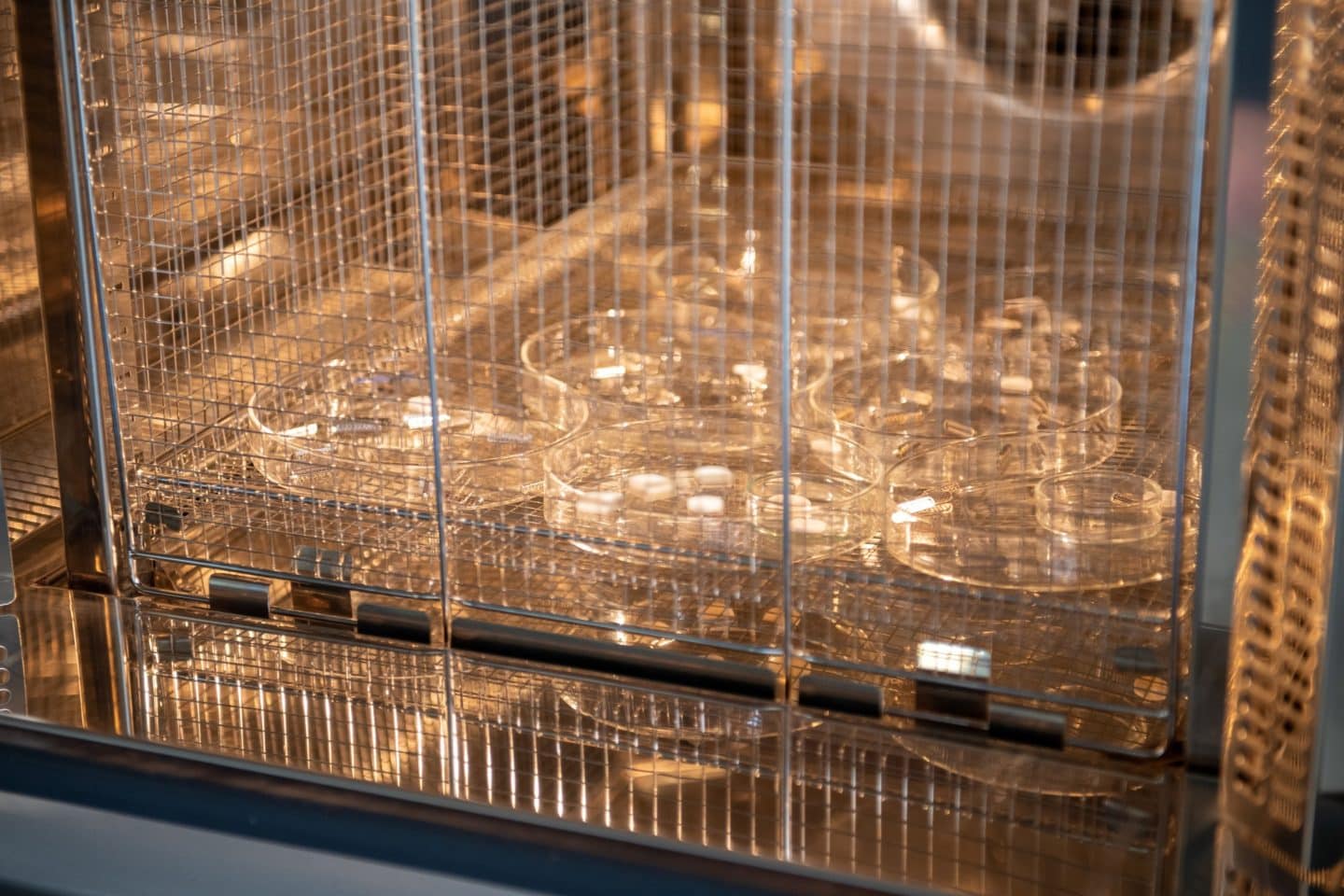
- Ceramic-to-metal brazing
- Co-development of next-generation implantable devices
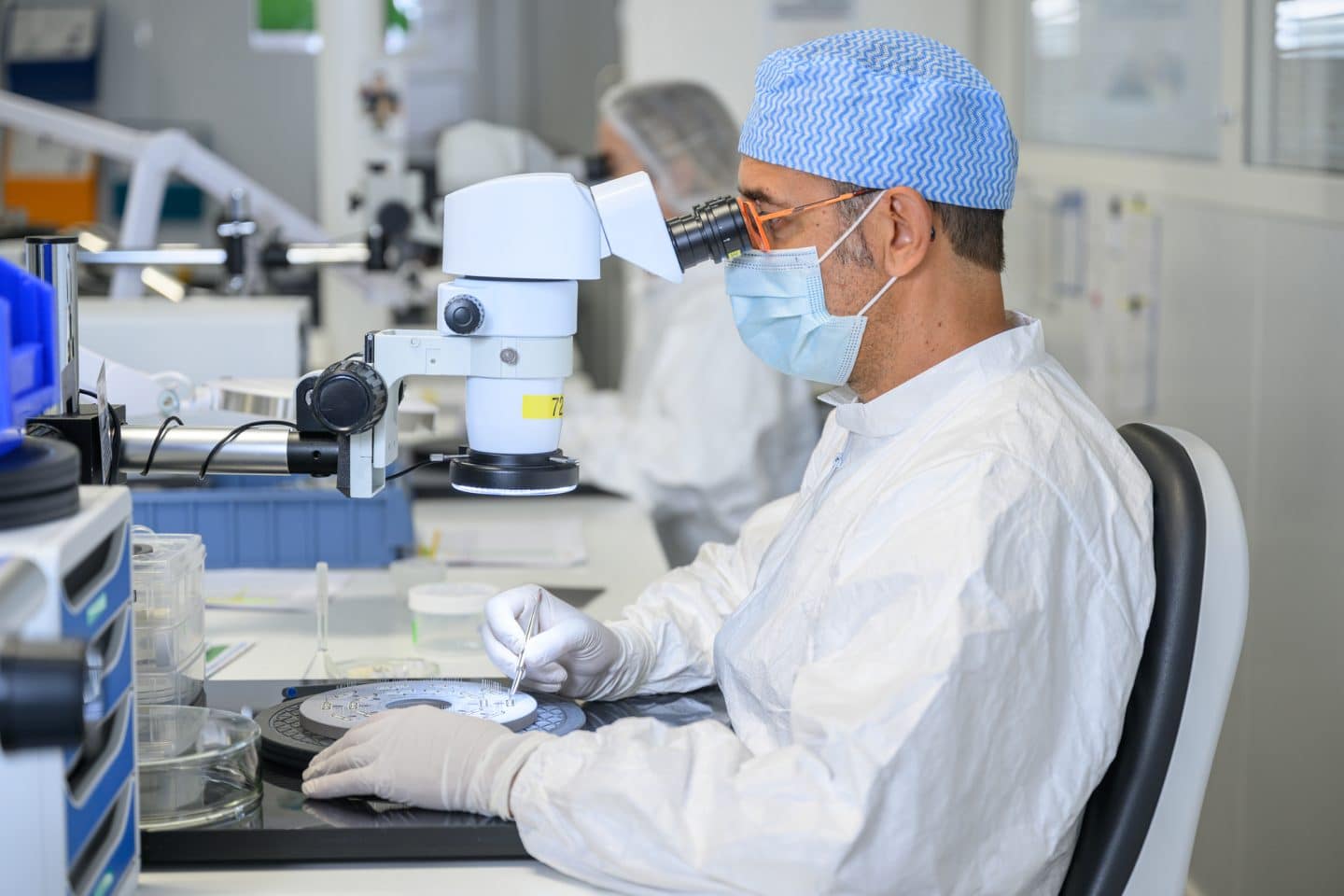
As an ISO 13485 certified company, SCT meets the quality, traceability, risk management, and process control requirements of the medical device industry.
Supporting Capabilities
From early-stage development to long-term production, SCT supports customers throughout the product lifecycle.
Research & Innovation
Developing advanced ceramic materials and packaging technologies for future implantable medical devices.
Learn more
Product Development
Co-developing robust implantable solutions tailored to each medical application.
Learn more
Industrialization
Preparing products for reliable series production while meeting demanding medical quality requirements.
Learn more
Materials
Selecting biocompatible ceramic, metal, and brazing technologies for long-term implantable applications.
Learn more
Quality Assurance
As an ISO 13485 certified manufacturer, SCT supports each project according to its specific quality, inspection, documentation, and regulatory requirements.
Our quality approach is built around your requirements.
Learn more about Quality & Environment
06 – FAQ
Frequently Asked Questions
Why are ceramic feedthroughs used in pacemakers and ICDs?
Ceramic feedthroughs provide the electrical insulation needed to transmit power and signals while maintaining a hermetic barrier between the implant’s internal electronics and the body.
Long-term hermeticity is essential for protecting sensitive electronic components from moisture and ensuring reliable device performance over many years of implantation.
SCT develops customized ceramic feedthroughs designed to combine hermeticity, electrical performance, and long-term reliability for implantable cardiac devices.
What is a filtered feedthrough?
A filtered feedthrough integrates electromagnetic filtering directly into the electrical interface of the implant. By reducing unwanted electromagnetic interference (EMI), it helps protect sensitive electronics while maintaining a hermetic seal.
SCT develops customized filtered feedthrough solutions that combine electrical interconnection, EMI protection, and long-term hermeticity within a single component.
Why is hermeticity critical for cardiac implants?
Pacemakers and ICDs are expected to operate reliably inside the human body for many years without maintenance. Maintaining a hermetic seal helps protect sensitive electronics from moisture ingress throughout the life of the implant.
SCT combines decades of ceramic-to-metal brazing expertise with advanced manufacturing technologies to develop hermetic packaging solutions designed for long-term implant reliability.
How does miniaturization influence cardiac implant design?
As implantable cardiac devices become smaller and more sophisticated, manufacturers must integrate more functionality into increasingly compact packages while maintaining electrical performance and long-term reliability.
SCT works closely with customers to co-develop miniaturized ceramic feedthroughs and packaging solutions that support next-generation implant architectures without compromising manufacturability or robustness.
Why choose ceramic instead of polymer or glass for implantable feedthroughs?
Advanced ceramics combine excellent electrical insulation, biocompatibility, mechanical stability, and long-term hermetic performance. These properties make them particularly well suited for implantable devices expected to remain reliable for many years.
SCT develops high-performance ceramic-to-metal assemblies tailored to the demanding electrical, mechanical, and environmental requirements of cardiac implant manufacturers.
What role do ceramic feedthroughs play in leadless pacemakers?
Leadless pacemakers require highly compact packaging solutions capable of maintaining electrical performance and hermeticity within a significantly reduced footprint.
SCT develops miniaturized ceramic feedthrough technologies that help manufacturers meet the demanding packaging challenges associated with next-generation leadless cardiac devices.
06 – contact
Developing the Next Generation of Cardiac Implantable Devices?
Whether you’re developing a next-generation pacemaker, ICD, leadless implant, or another cardiac rhythm management device, SCT can help transform your technical requirements into robust ceramic-to-metal solutions.
How does SCT support the development of next-generation cardiac implants?
Every cardiac implant presents unique requirements related to size, electrical performance, manufacturability, and regulatory expectations.
SCT partners with customers from concept through production, combining Research & Innovation, product development, industrialization, and manufacturing expertise to co-develop robust ceramic-to-metal solutions for next-generation cardiac therapies.