
Why Is Material Selection So Important?
The performance of a ceramic-to-metal assembly depends not only on its design, but also on the combination of materials used to manufacture it.
Ceramic materials, metals, and brazing alloys all contribute to the final performance of the assembly, influencing electrical insulation, mechanical strength, hermeticity, corrosion resistance, thermal stability, biocompatibility, and long-term reliability.
Rather than recommending a single material, SCT helps customers identify the combination of ceramic, metal and brazing alloy best suited to the technical, environmental and manufacturing requirements of each application.
Our Material Expertise
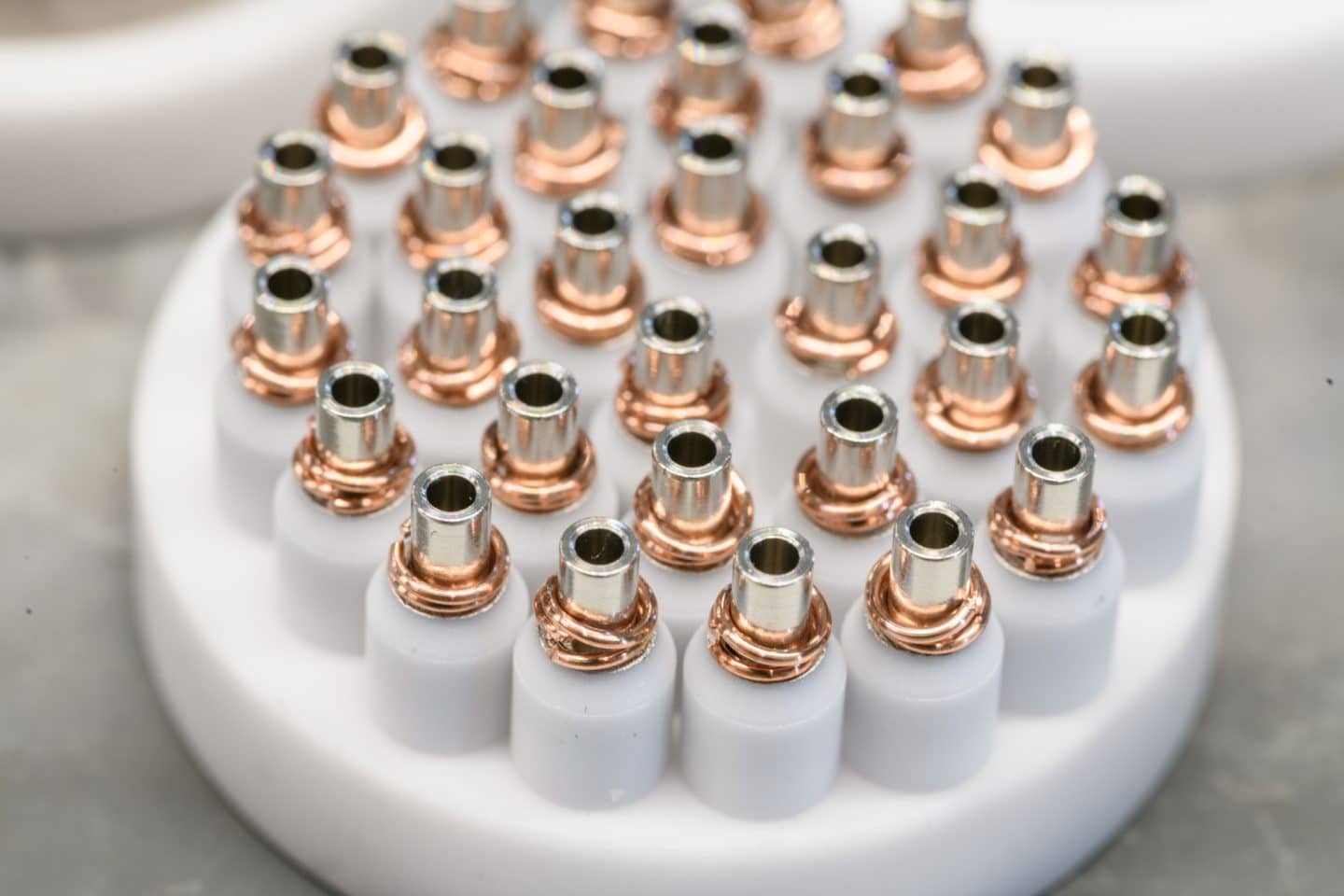
SCT develops ceramic-to-metal assemblies using several advanced ceramic materials, engineering metals, and brazing alloys.
Each material family offers unique advantages depending on the application and operating environment.
ALUCER® – Alumine
Excellent electrical insulation for hermetic and high-voltage applications with biocompatible options.
Learn more
Metals & Alloys
Titanium, Kovar®, stainless steels, precious metals, nickel alloys and other engineered materials.
Learn more
Alumina: The Foundation of Technical Ceramics
Alumina is one of the world’s most widely used technical ceramics and forms the foundation of many ceramic-to-metal assemblies.
Its unique combination of electrical insulation, mechanical strength, corrosion resistance, thermal stability, and compatibility with metallization and brazing processes makes it particularly well suited for demanding medical and industrial applications.
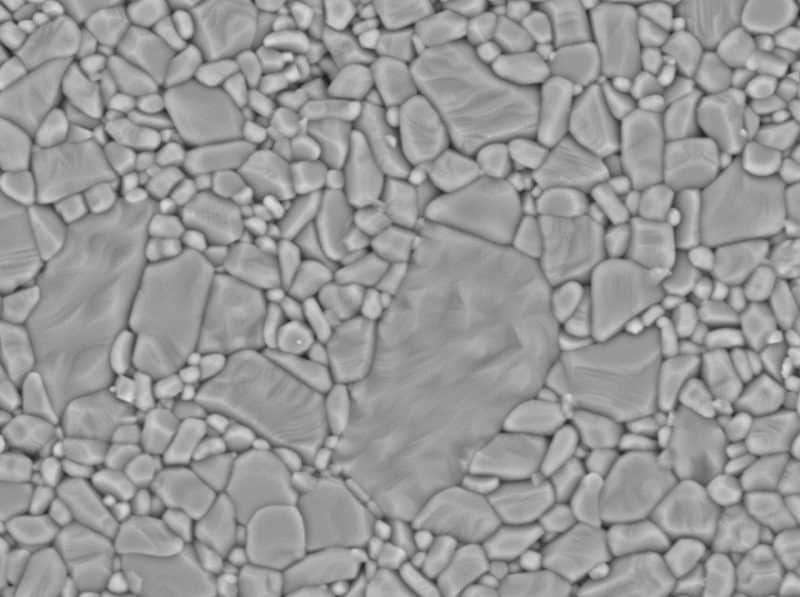
SCT’s proprietary ALUCER® alumina family includes multiple alumina formulations optimized for different electrical, mechanical, and manufacturing requirements.
Key Advantages of Alucer®
- Excellent electrical insulation
- High mechanical strength
- Corrosion resistance
- Thermal stability
- Biocompatibility
- Excellent compatibility with ceramic-to-metal brazing
Our Alumina Material Families
SCT manufactures multiple material families optimized for different performance requirements.
ALUCER®97 – 97 % Alumina
A versatile technical ceramic offering an excellent balance of electrical insulation, mechanical performance, and manufacturability for a wide range of industrial applications.
ALUCER®99.7 – 99,7 % Alumina
A high-purity material developed for applications requiring biocompatibility, exceptional reliability, material purity, and electrical performance.
Zirconia: Engineered for Mechanical Performance
While alumina is often selected for its electrical properties, zirconia is chosen where mechanical performance becomes the priority.
Its exceptional fracture toughness and resistance to crack propagation make it particularly attractive for demanding applications subjected to mechanical stress or wear.
Key Advantages
- Exceptional fracture toughness
- High mechanical strength
- Excellent wear resistance
- Biocompatibility
Typical applications include:
- Implantable medical devices
- Precision ceramic components
- Wear-resistant parts
- High-strength industrial applications
Sapphire: Optical Performance for Demanding Environments
Sapphire is a single-crystal form of alumina that combines optical transparency with exceptional mechanical and thermal performance.
Compared with conventional glass, sapphire offers significantly greater hardness, scratch resistance, and durability, making it particularly attractive for demanding scientific, industrial, aerospace, and vacuum applications.
Key Advantages
- Optical transparency
- Exceptional scratch resistance
- High mechanical strength
- High-temperature performance
- Vacuum compatibility
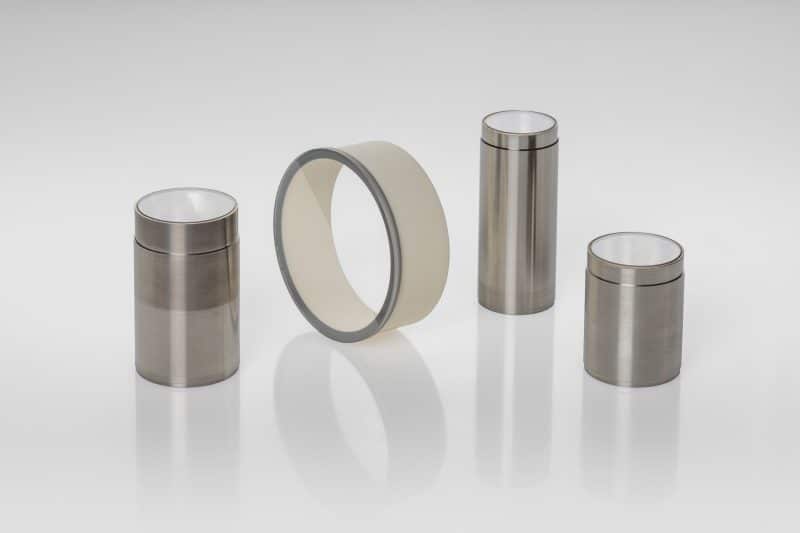
| Glass | Sapphire |
|---|---|
| Optical transparency | Optical transparency |
| Lower cost | Exceptional hardness |
| Scratch resistance | |
| High-temperature performance | |
| Vacuum compatibility | |
| Long service life |
Sapphire vs Glass
Both sapphire and glass can be used as optical windows, but each offers different advantages.
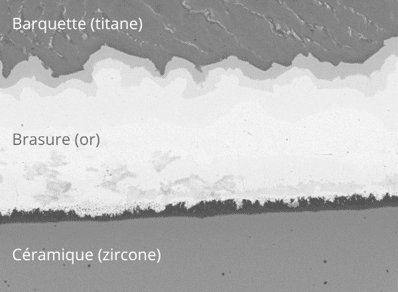
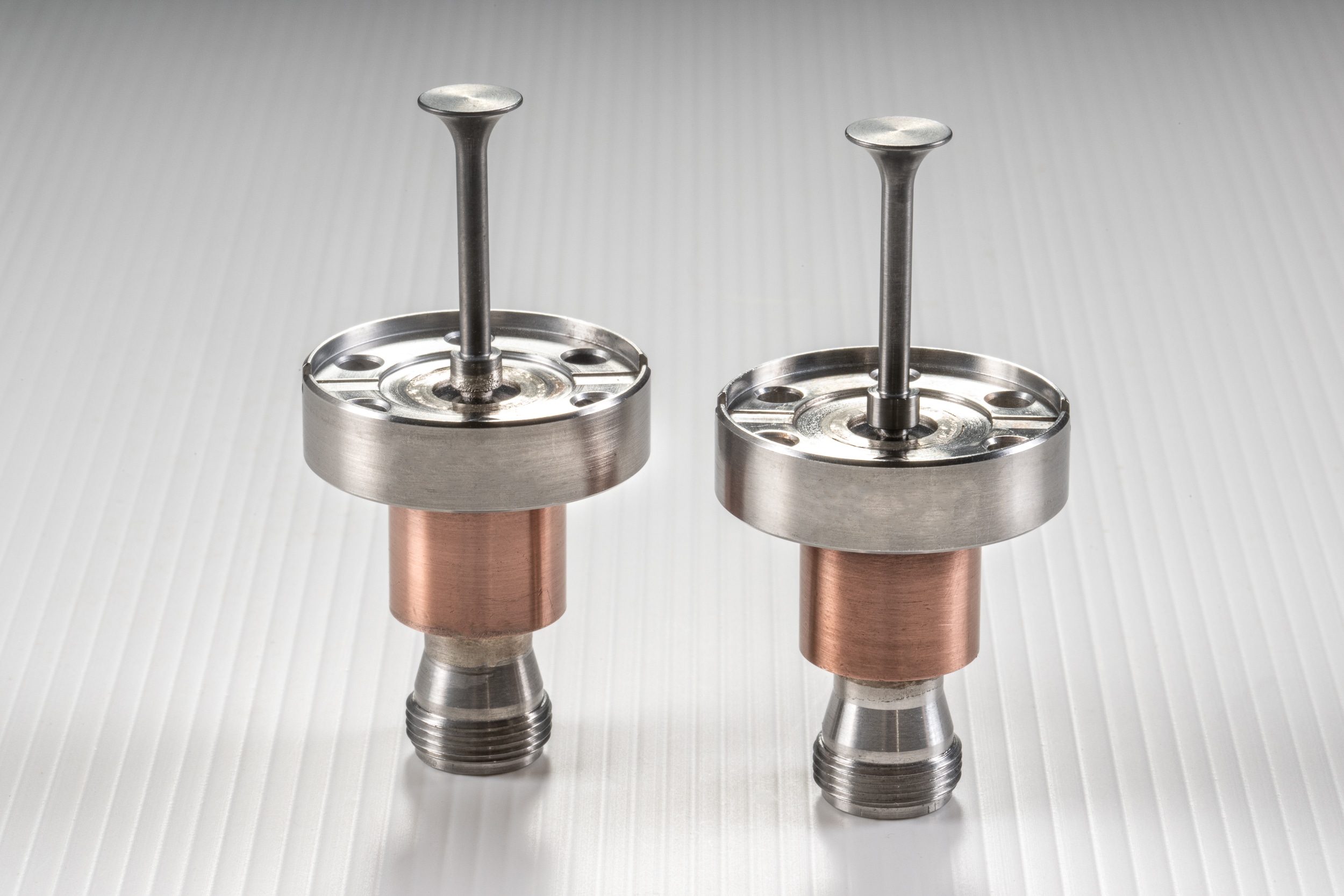
Metals & Brazing Alloys
The selection of the metal and brazing alloy is just as critical as the choice of ceramic when designing a ceramic-to-metal assembly.
SCT selects materials based on the required properties and their compatibility with the ceramic, manufacturing processes and the assembly’s operating conditions.
Metal Components
- FeNiCo29-17 and FeNi42
- Ni200
- Ti Grade 2
- 304L and 316L stainless steel
- Type K and Type N thermocouple alloys
- Cu-OFE
- Molybdenum
- PtIr10
- PdIr10
- Nickel-based superalloys
Brazing Alloys
- AgCu72-28
- AuCuNi
- AgCuPd
- Cu
- AuNi
Materials for Critical Applications
Every application presents its own combination of electrical, mechanical, thermal, and environmental requirements.
SCT helps customers identify the material system best suited to each challenge.
Medical Devices
Biocompatibility, hermeticity, and long-term implant reliability.
Energy
Materials designed for demanding nuclear, offshore, and emerging hydrogen applications.
High-Temperature Applications
Stable performance in extreme thermal environments.
Vacuum Technologies
Materials compatible with demanding high-vacuum and ultra-high-vacuum environments.
Aerospace & Defence
Reliable performance in environments subject to severe mechanical, thermal and environmental stresses.
High Voltage
Materials with exceptional dielectric performance.
Frequently Asked Questions
Is ruby sometimes used as a technical ceramic?
Yes. Synthetic ruby is occasionally used in highly specialized applications requiring the same exceptional hardness and chemical stability as sapphire, while offering additional optical properties. Although far less common than alumina, zirconia, or sapphire, SCT has experience brazing ruby components for miniature and custom ceramic-to-metal assemblies where application requirements justify its use.
Why is alumina the most commonly used technical ceramic?
Alumina combines excellent electrical insulation, mechanical strength, corrosion resistance, thermal stability, and compatibility with ceramic-to-metal brazing. This unique combination makes it one of the most versatile materials for demanding medical and industrial applications.
SCT develops multiple formulations within its ALUCER® family, allowing customers to select the material best suited to their application’s performance requirements.
What is the difference between alumina and zirconia?
Although both are advanced ceramics, they are optimized for different applications. Alumina is generally selected for its electrical insulation and high-voltage performance, while zirconia is preferred where exceptional fracture toughness and mechanical durability are required.
SCT helps customers evaluate the trade-offs between different ceramic materials to identify the solution best suited to each application.
Why is sapphire used instead of glass?
Compared with conventional glass, sapphire offers superior hardness, scratch resistance, thermal stability, and durability while maintaining excellent optical transparency. These characteristics make it particularly well suited for demanding industrial, scientific, and aerospace applications.
SCT manufactures customized sapphire components for customers requiring optical windows capable of performing in harsh operating environments.
Need Help Choosing the Right Material?
Whether you need to select a ceramic, metal or brazing alloy, our engineers can help you identify the material system best suited to your application.
How does SCT select the right material?
Material selection depends on many factors, including electrical performance, mechanical strength, thermal stability, corrosion resistance, manufacturability, and cost.
SCT’s engineering and materials specialists work closely with customers to identify the combination of ceramic, metal, and brazing alloy that best meets the technical requirements of each project.