
01 – Components
The Core of Hermetic Connectors
Reliable Electrical Connections for Demanding Environments
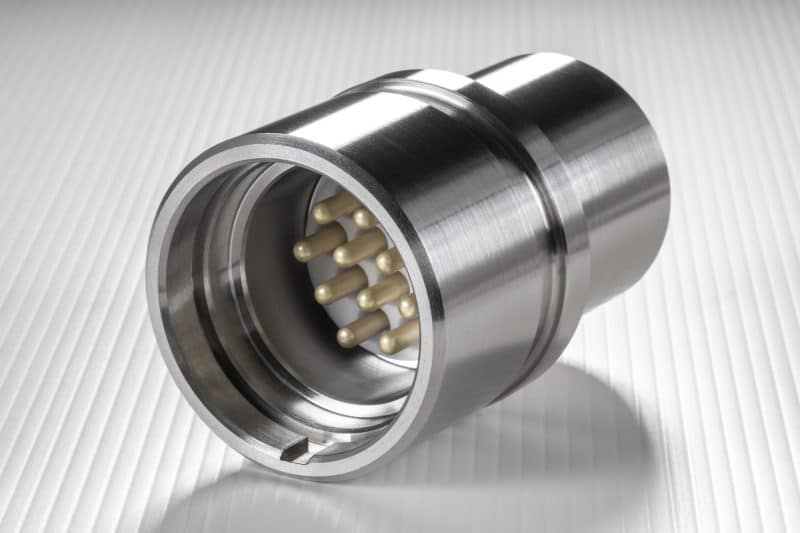
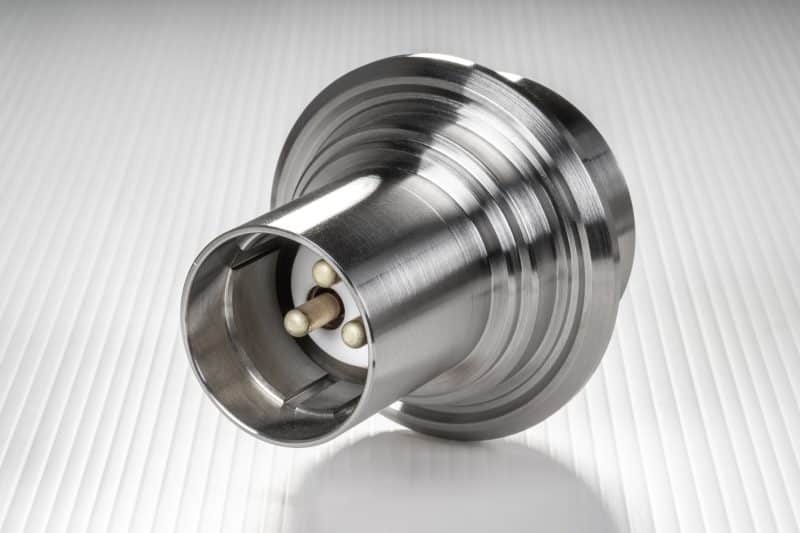
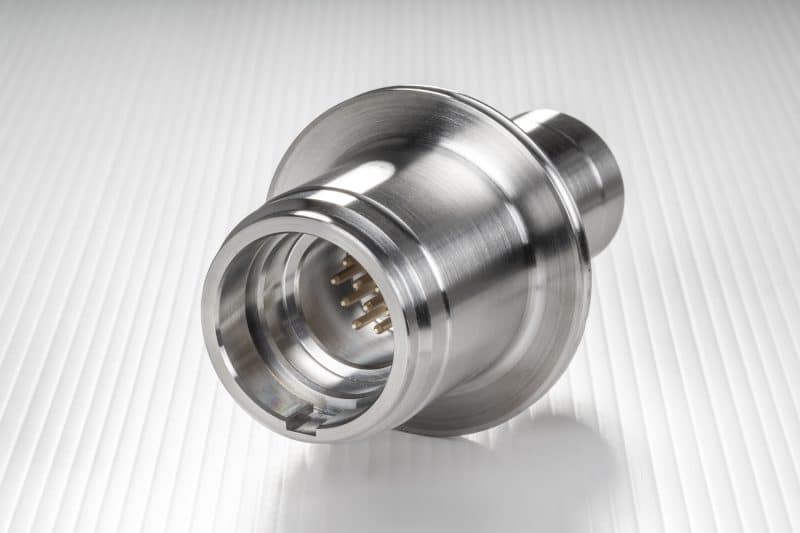
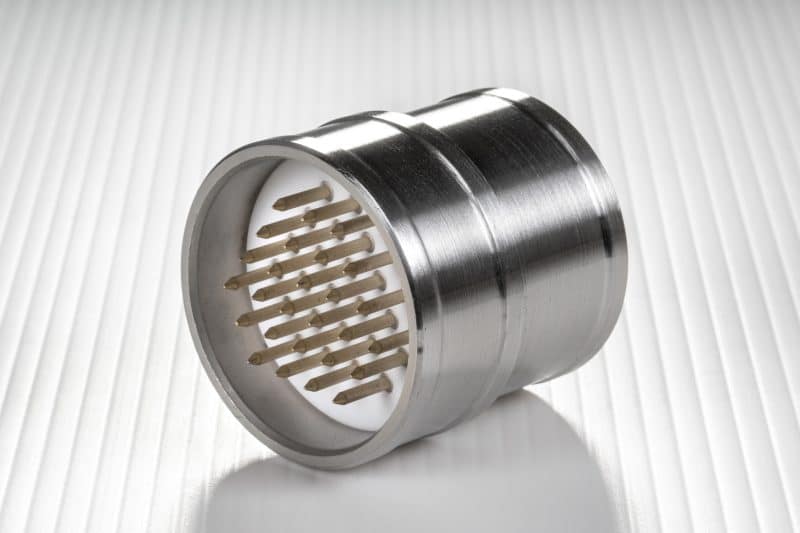
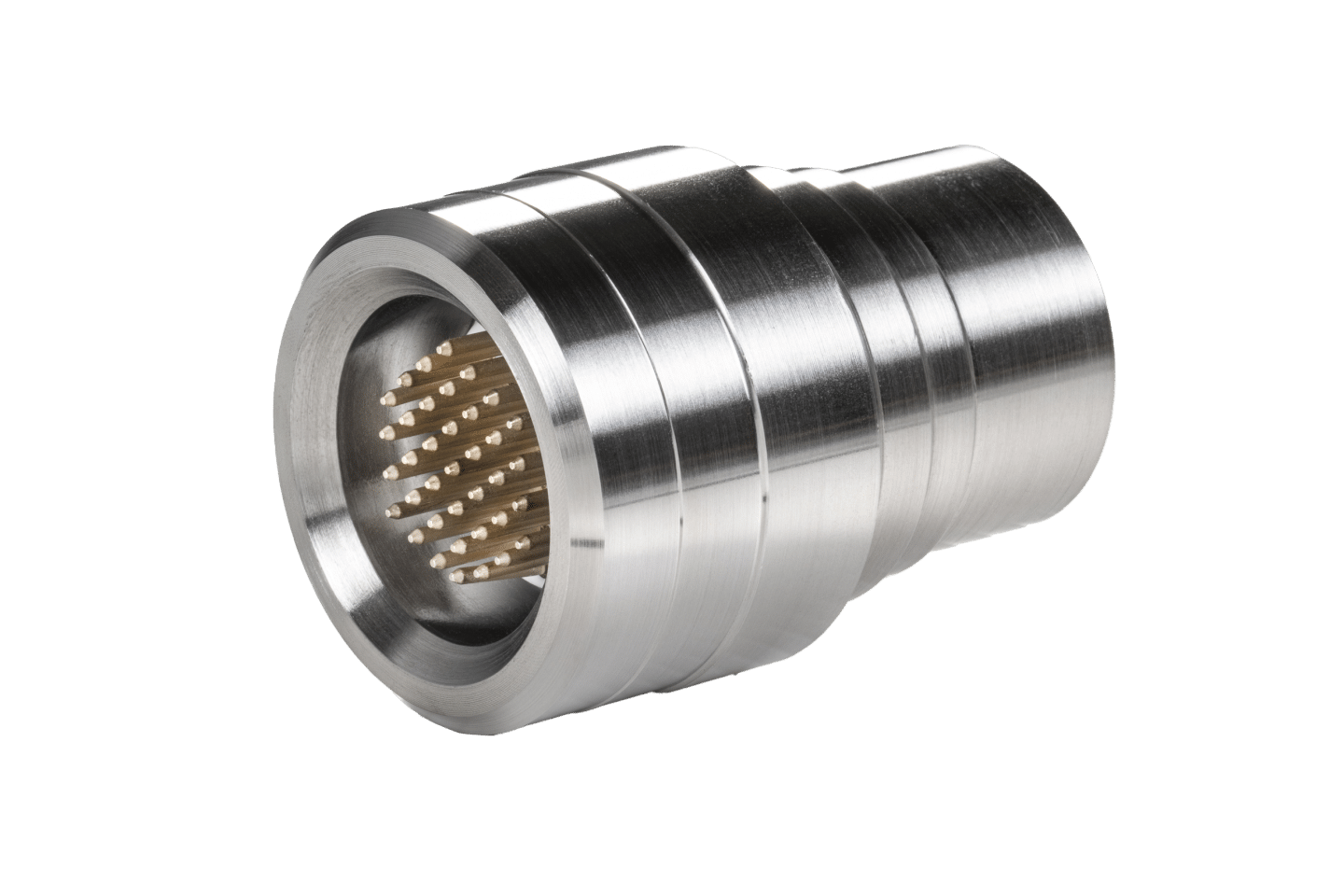
SCT develops and manufactures custom ceramic-to-metal connector sub-assemblies designed to be integrated into hermetic connectors for demanding industrial applications.
Our brazed sub-assemblies are supplied to connector manufacturers serving the nuclear, aerospace & defense, offshore, scientific instrumentation, and other critical industries.
02 – Applications
Quatre environnements, une même exigence de fiabilité

Offshore & Subsea
Connector solutions capable of operating in high-pressure marine environments.
Hermetic ceramic connectors are used wherever conventional connector technologies reach their limits.

Aerospace & Defense
Electrical interfaces designed to withstand vibration, temperature extremes, and harsh operating conditions.
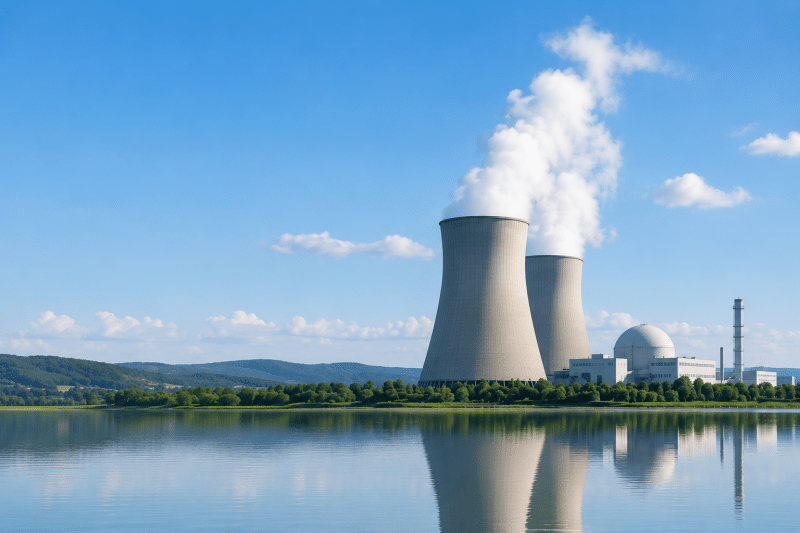
Nuclear Energy
Reliable electrical connections for instrumentation, sensors, thermocouples, and monitoring systems operating in demanding nuclear environments.
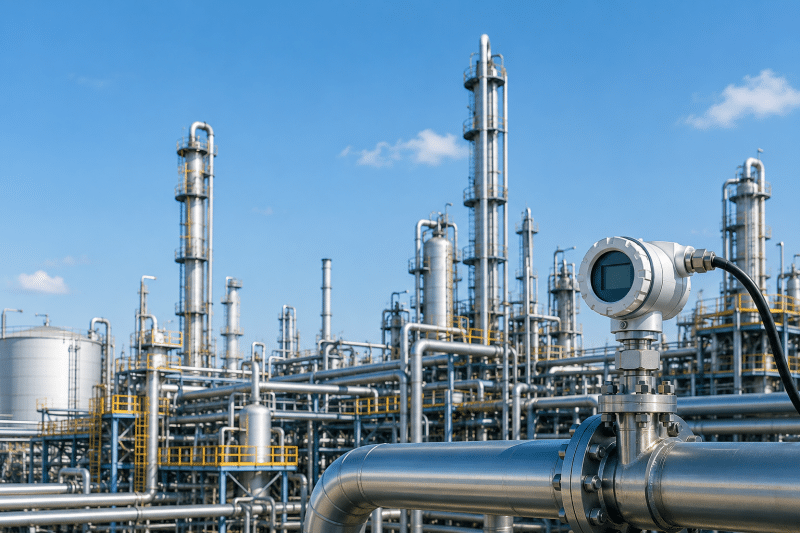
Industrial Instrumentation
Reliable electrical connections for sensing, measurement, and process control equipment.
03 – Materials
Why Use Ceramic Connector Sub-Assemblies?
Technical ceramics offer a unique combination of properties, making them particularly well suited to the most demanding applications.
Long-Term Reliability
Designed for applications where consistent performance over many years is critical.
Electrical Insulation
Excellent dielectric properties for demanding electrical applications.
Hermeticity
Ceramic-to-metal brazing provides durable, leak-tight seals that protect critical systems from moisture and contaminants.
Résistance aux hautes températures
Maintiennent des performances électriques fiables dans des environnements où les matériaux de connexion conventionnels peuvent se dégrader.
Radiation Resistance
Suitable for demanding nuclear and defense applications.
Pressure Resistance
Reliable performance in subsea, offshore, and other high-pressure environments.
Discover how our proprietary alumina contributes to the excellent performance of our connector sub-assemblies.
04 – Co-development
Designed Around Your Operating Environment
Every connector sub-assembly is developed according to the specific requirements of its application.
Leveraging its expertise in advanced ceramics, metallurgy, and ceramic-to-metal brazing, SCT works closely with customers to develop solutions that combine technical performance, long-term reliability, and manufacturability.
05 – Qualification
Qualification to Your Requirements
Each connector is qualified according to the specific technical and environmental requirements of the project.
Inspection, testing and validation procedures are defined in collaboration with our customers to ensure that each connector meets the specified performance requirements throughout its service life.
06 – FAQ
Frequently Asked Questions
What is a hermetic connector?
A hermetic connector provides a reliable electrical interface between two systems while protecting equipment from demanding operating environments.
The ceramic-to-metal sub-assemblies developed by SCT form the core of these connectors, providing the electrical insulation, hermetic sealing, and mechanical strength required for applications exposed to high temperatures, pressure, radiation, or corrosive environments.
Why choose ceramic components instead of polymer components?
Technical ceramics offer superior electrical insulation, excellent high-temperature performance, radiation resistance, and long-term stability that polymer materials cannot typically achieve in demanding environments.
Leveraging its expertise in advanced ceramics and ceramic-to-metal brazing, SCT helps customers select the materials and technologies best suited to the performance requirements of each application.
Which industries use ceramic connectors?
Hermetic connectors are used wherever reliable electrical connections are required in demanding environments, including nuclear energy, aerospace & defense, offshore systems, scientific instrumentation, and many other critical industrial applications.
The ceramic-to-metal sub-assemblies developed by SCT are integrated by connector manufacturers to meet the specific requirements of each market.
What materials are used in connector sub-assemblies?
Material selection depends entirely on the application’s requirements. Electrical insulation, mechanical strength, corrosion resistance, thermal compatibility, vacuum performance, and pressure resistance all influence the final design.
Drawing on its expertise in advanced ceramics, metallurgy, and ceramic-to-metal brazing, SCT works with customers to identify the materials and technologies best suited to their application.
Learn more about
What is the difference between a connector and a hermetic feedthrough?
A connector provides a detachable electrical interface between two systems, whereas a hermetic feedthrough provides a permanent electrical pathway through a sealed barrier while maintaining hermeticity.
The ceramic-to-metal sub-assemblies developed by SCT can be integrated into hermetic connectors or other electrical interconnection systems depending on the application’s requirements.
07 – contact
Looking for a Reliable Connection Solution?
Whether you’re developing equipment for nuclear energy, aerospace, offshore, scientific instrumentation, or another demanding industrial application, SCT develops custom ceramic-to-metal connector sub-assemblies designed to become the core of high-performance hermetic connectors.